Karnataka CMO says Shivakumar visited Osaka waste-to-energy plant
Synopsis
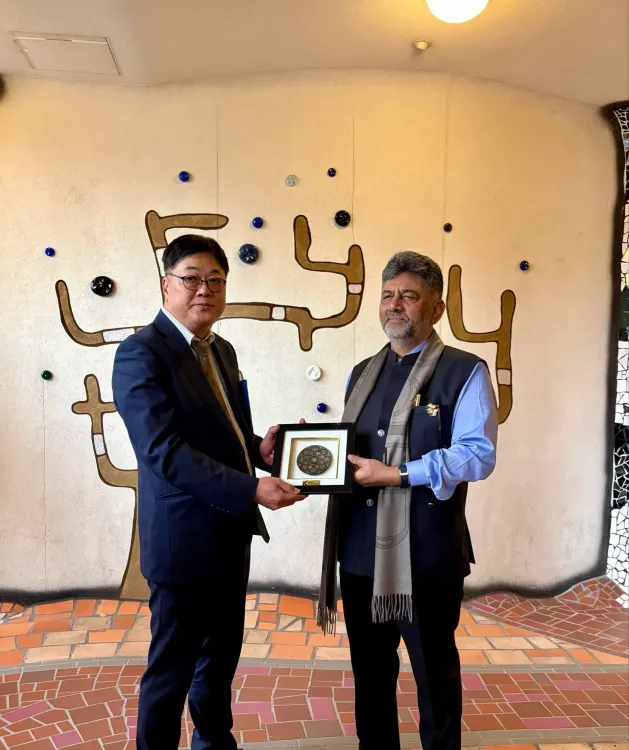
Karnataka's Chief Minister's Office says D. K. Shivakumar and a state delegation visited Osaka's Maishima Incineration Plant to study waste-to-energy technology. The facility can process up to 900 tonnes of waste a day and has 32 MW of installed power capacity. The post announced no specific Karnataka project or agreement.
Key Takeaways
Karnataka's Chief Minister's Office said D.
Shivakumar visited the Maishima plant with a state delegation.
The Osaka facility has operated since 2001 and can process up to 900 tonnes of municipal waste daily.
Its installed power generation capacity is 32 MW, according to the office.
The plant's design was created by Austrian artist Friedensreich Hundertwasser.
The post announced no specific waste-to-energy project or agreement in Karnataka.
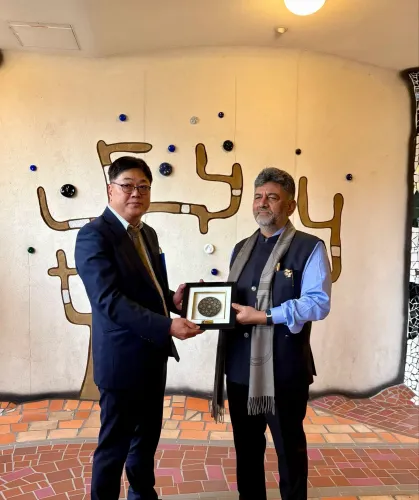
A plant that turns municipal waste into electricity is in focus for Karnataka as it looks for ways to manage growing urban waste. On 24 November 2026, the Chief Minister's Office of Karnataka said D. K. Shivakumar had visited the Maishima Incineration Plant in Osaka, Japan, with a state delegation to study waste-to-energy technology.
Maishima's waste-to-energy model
The office described the visit as part of the government's efforts to study global practices and explore more efficient, sustainable approaches to urban waste management. It referred to Shivakumar as the Chief Minister in its post.
Located on Maishima Island, the facility has operated since 2001 and can process up to 900 tonnes of municipal waste a day through two incinerators, the office said. Its installed power generation capacity is 32 MW: it meets its own electricity needs and supplies surplus power to the grid.
The plant also uses combustion controls, emissions monitoring and pollution-control systems, according to the post. Those systems are central to the example being studied: recovering energy from waste also requires attention to how that waste is burned and its emissions are managed.
Hundertwasser's design and Karnataka's cities
The office highlighted the plant's colourful façade, distinctive forms and greenery, designed by Austrian artist Friedensreich Hundertwasser. It presented the facility as an example of industrial infrastructure that can also support environmental awareness.
For Indian cities, waste processing sits within a wider push for integrated solid waste management under the Swachh Bharat Mission, launched in 2014. Urban local bodies and residents are among those directly affected by how cities collect and process their waste.
The office said it aimed to draw on established global models to strengthen Karnataka's urban infrastructure and improve scientific waste management. The post did not announce a specific project or agreement; any move from the Osaka visit to a plant in Karnataka would require further decisions.
Point of View
But the post does not establish that a comparable project has been approved in Karnataka.
NationPress
24 Nov 2026
Frequently Asked Questions
Why did D. K. Shivakumar visit the Maishima plant?
Karnataka's Chief Minister's Office said the visit was intended to study global waste-to-energy practices and approaches to urban waste management.
Where is the Maishima Incineration Plant?
The plant is on Maishima Island in Osaka, Japan.
How much waste can the Maishima plant process?
The facility can process up to 900 tonnes of municipal waste a day through two incinerators, according to the Karnataka Chief Minister's Office.
How much electricity can the Maishima plant generate?
The plant has an installed power generation capacity of 32 MW, the office said. It uses electricity for its own needs and supplies surplus power to the grid.
Has Karnataka announced a waste-to-energy project after the Osaka visit?
The post did not announce a specific project or agreement. It said the government aimed to draw lessons from established global models.