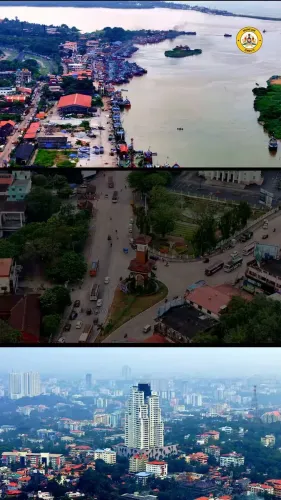
Karnataka mulls India's first coastal data centre at Mangaluru
Synopsis
Karnataka wants to build India's first sustainable coastal data centre at Tannirbhavi in Mangaluru. Coastal Regulation Zone rules mean only about 20 of the 49 acres can be built on. The site will test whether AI-era infrastructure, which uses heavy amounts of power and water, can work alongside a fragile coastline.
Key Takeaways
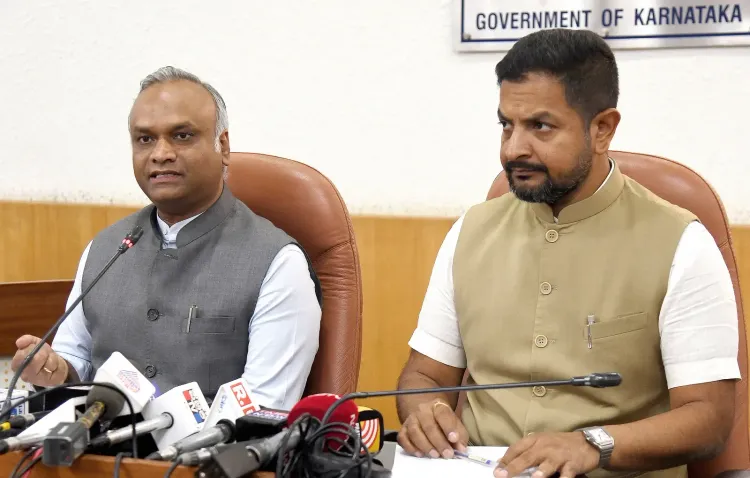
IT Minister Priyank Kharge inspected a 49-acre site at Tannirbhavi, Mangaluru on 26 November 2026 .
Only about 20 acres are understood to be buildable under Coastal Regulation Zone norms.
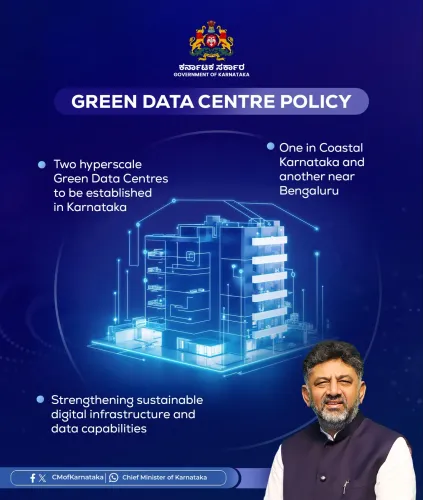
The project falls under the Karnataka Sustainable Data Centre Policy 2026–2031 , which targets 1 GW of data centre capacity.
A white paper will be prepared after consultations with Mangaluru civic and district officials to approach investors.
Coastal Karnataka already records IT exports of about ₹5,000 crore .
The Karnataka government is exploring the feasibility of setting up what could be India's first sustainable coastal data centre at Tannirbhavi in Mangaluru, with about 49 acres of land identified for assessment. Minister for Electronics, IT & BT and E-Governance Priyank Kharge inspected the proposed site on Thursday, 26 November 2026. The project is being considered under the Karnataka Sustainable Data Centre Policy 2026–2031, which aims to expand the state's digital infrastructure while limiting its environmental impact.
Key Developments at Tannirbhavi
According to the minister, only part of the 49-acre parcel can be built on permanently because of coastal regulations. “Of the 49-acre land parcel, approximately 20 acres are understood to be available for permanent construction under the applicable Coastal Regulation Zone (CRZ) norms,” Kharge said.
He added that “the feasibility of the site, its infrastructure requirements and environmental considerations will be examined in detail before further decisions are taken.” The project remains at the exploratory stage, and no investment commitment or construction timeline has been announced.
What the Minister Said
Kharge linked the proposal to rising demand for artificial intelligence. “AI is here, whether we like it or not, and data centres are necessary for the AI era. But our responsibility is to ensure that we develop this critical infrastructure sustainably, using water and power efficiently, without compromising our environmental responsibilities,” he said.
“Our objective is to demonstrate that technology-led economic growth and ecological sustainability can go hand in hand,” the minister added. He said the state policy aims for 1 GW of data centre capacity and keeps ecological responsibilities central to infrastructure development.
Consultations and White Paper
The state government will consult the Mangaluru City Corporation Commissioner, the Zilla Panchayat CEO and other stakeholders. These talks will assess whether the site is suitable and what infrastructure it needs.
The findings will feed into a comprehensive white paper. It will set out the site's opportunities, constraints and development potential, and the government plans to use it as the basis for talks with private companies and potential investors.
An official statement said the Tannirbhavi facility is being planned around several priorities:
- renewable energy
- energy-efficient operations
- advanced cooling technologies
- responsible water management
The statement said the aim is to show that large-scale digital infrastructure can be built in harmony with the coastal environment.
Why the Coastal Location Matters
Data centres use large amounts of electricity and water, and much of both goes into cooling. This has made them a growing concern for planners as AI workloads expand.
A coastal site adds further complications. CRZ rules restrict permanent construction, which explains why less than half of the identified land is reportedly buildable. The state's emphasis on water management and advanced cooling suggests it is aware of these pressures. The detailed feasibility study is likely to determine whether the project goes ahead.
Coastal Karnataka's Tech Ambitions
The proposal is part of a wider plan to turn coastal Karnataka into a technology and innovation hub. The state wants Mangaluru, Manipal and Udupi to develop as complementary technology destinations. Its focus areas include:
- Global Capability Centres (GCCs)
- startups and deeptech
- marine biotechnology and other emerging technologies
- industry-led skilling and talent development
According to the state, the region already records IT exports of about ₹5,000 crore. The government hopes to build on this by attracting new investment, encouraging Nano Global Capability Centres and creating high-value jobs for local talent. This comes as states compete for data centre investment linked to the AI boom.
The next step is the white paper, which will be the clearest indication yet of whether Tannirbhavi can attract serious private investors.
Point of View
And a coastal data centre would be a strong symbol of that intent. The numbers deserve attention, though: less than half the land is buildable, and the project depends on a white paper that has not yet been written. Data centres need large amounts of power and water, while CRZ zones are ecologically sensitive, so 'sustainable' must be backed by measurable commitments. Investors and environmental groups will judge the project on hard numbers for water use and renewable power, not on policy language.
NationPress
26 Nov 2026
Frequently Asked Questions
Where is India's first sustainable coastal data centre proposed?
It is proposed at Tannirbhavi in Mangaluru, Karnataka, where about 49 acres have been identified for assessment. The project is currently at the feasibility stage.
How much land at Tannirbhavi can be used for construction?
About 20 of the 49 acres are understood to be available for permanent construction under Coastal Regulation Zone (CRZ) norms, according to Minister Priyank Kharge.
What is the Karnataka Sustainable Data Centre Policy 2026–2031?
It is the state's policy framework for data centre growth, aiming for 1 GW of capacity. It focuses on renewable energy, advanced cooling and environmentally responsible digital infrastructure.
What happens next with the Mangaluru data centre project?
The government will consult the Mangaluru City Corporation Commissioner, the Zilla Panchayat CEO and other stakeholders, then prepare a white paper. That document will be used to approach private companies and investors.
Why is Karnataka focusing on coastal Karnataka for tech growth?
The state wants Mangaluru, Manipal and Udupi to become complementary technology destinations, building on IT exports of about ₹5,000 crore. Focus areas include GCCs, startups, deeptech and marine biotechnology.