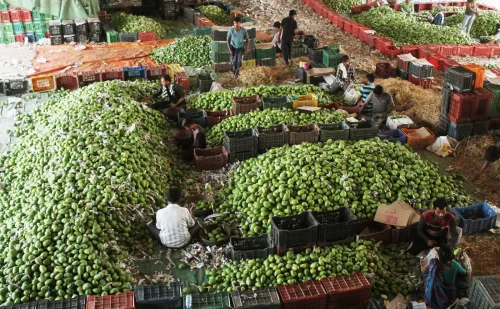
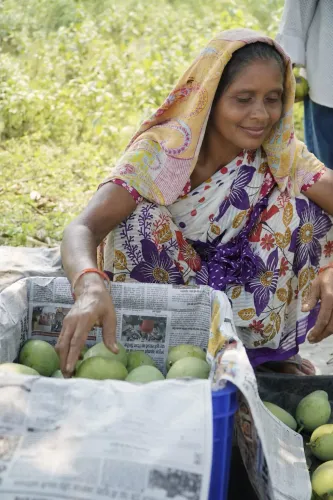
Piyush Goyal: Karnataka mangoes reach Maldives in first-ever air shipment
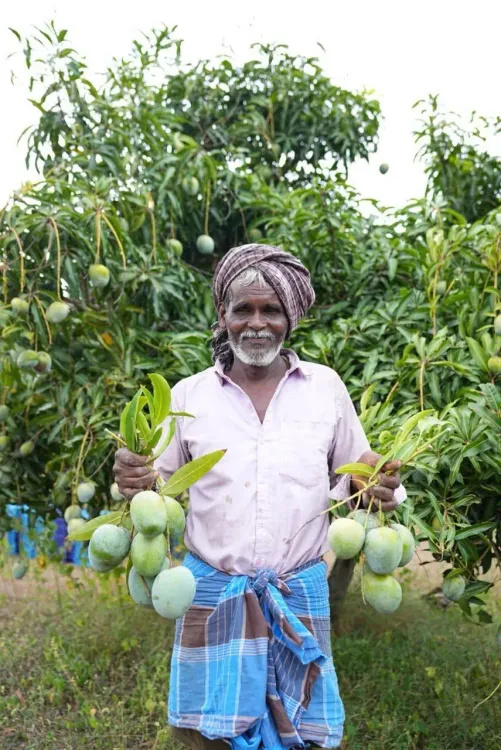
Synopsis
India has achieved its first-ever air shipment of Karnataka's Neelam and Totapuri mangoes to the Maldives, facilitated by APEDA. Commerce Minister Piyush Goyal hailed the milestone as a new opportunity for Karnataka's mango growers, FPOs, and agri-exporters to expand their international market presence.
Key Takeaways
First-ever air shipment of Karnataka mangoes — Neelam and Totapuri varieties — to the Maldives has been completed.
The consignment was facilitated by APEDA (Agricultural and Processed Food Products Export Development Authority) under the Ministry of Commerce.
Commerce Minister Piyush Goyal announced the milestone on 30 July 2026 , calling it an opportunity for Karnataka's farming community.
Farmer Producer Organizations (FPOs) , exporters, and agri-entrepreneurs are the identified beneficiaries of the new export corridor.
The shipment aligns with India's Agricultural Export Policy 2018 , which targets horticultural market diversification and logistics improvements.
The Maldives corridor is part of India's broader strategy of expanding air-freighted fruit exports to nearby, high-import-dependence markets.
Karnataka's Neelam and Totapuri mangoes have crossed the Indian Ocean for the first time — landing in the Maldives via air freight in a milestone that Union Commerce and Industry Minister Piyush Goyal called a breakthrough for the state's farming community on Thursday, 30 July 2026.
A first-ever route, carved by APEDA
The shipment was facilitated by the Agricultural and Processed Food Products Export Development Authority (APEDA), the Ministry of Commerce's dedicated agri-export promotion body, which has been running fruit-export facilitation programmes since its establishment under the APEDA Act of 1985. Goyal specifically credited the authority, tagging @APEDADOC in his post and calling the consignment a 'milestone' that 'unlocks new opportunities for Karnataka's mango growers.'
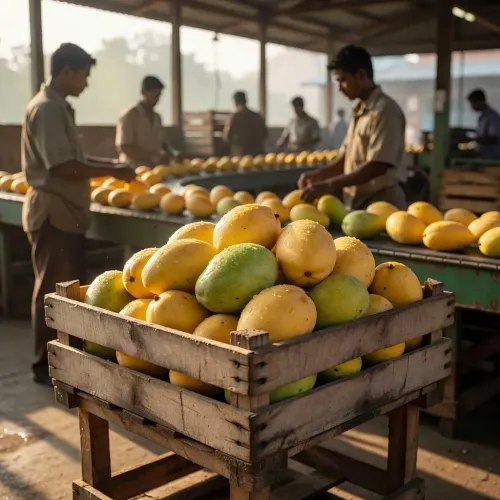
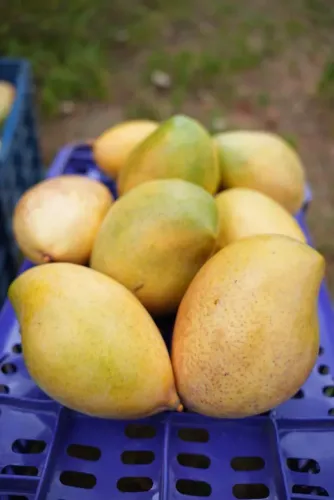
Two varieties made the inaugural journey: Neelam, prized for its sweet, fibre-free pulp, and Totapuri, a tangy, parrot-beaked mango widely used in processing and fresh consumption. Both are signature Karnataka crops.
Why the Maldives, and why now
The Maldives is a natural early market for Indian horticultural air freight — a compact island economy with high import dependence, strong existing commodity trade ties with India, and improving air connectivity. India's Agricultural Export Policy of 2018 explicitly targeted market diversification and logistics upgrades for horticultural produce, and this shipment is a direct downstream result of that framework.
The broader pattern is deliberate: India has been expanding air-freighted fruit exports to nearby markets incrementally, using each new route to prove commercial viability before scaling. The Maldives corridor now joins a growing list of short-haul destinations where Indian mangoes compete on freshness rather than price alone.
What it means for Karnataka's FPOs and exporters
Goyal's post explicitly flagged Farmer Producer Organizations (FPOs), exporters, and agri-entrepreneurs as the intended beneficiaries — signalling that the government views this not as a one-off consignment but as a template for structured, repeat business. FPOs, which aggregate smallholder output to achieve export-grade volume and quality, are central to APEDA's current export-push strategy.
If subsequent consignments follow — and APEDA's facilitation role suggests the infrastructure is now in place — Karnataka growers gain a new premium channel for varieties that are otherwise sold domestically at lower margins during the peak summer flush.
One air corridor, two mango varieties, and a clear government signal: Karnataka's orchards are now pointed outward.
Point of View
If followed by repeat APEDA-facilitated exports, could establish a durable premium channel for Karnataka growers. It fits squarely within the Modi government's push to reorient agri-exports from bulk commodity trade toward value-added, air-freighted horticultural produce. Goyal's public amplification of APEDA's role also signals that the authority is being positioned as an active deal-maker, not just a certification body. The FPO angle is politically significant too: integrating smallholder collectives into export chains is a stated rural-income priority, and a successful Maldives corridor gives the government a concrete, nameable win on that front.
NationPress
14 Sept 2026
Frequently Asked Questions
What is the significance of Karnataka mangoes being exported to the Maldives?
This is the first-ever air shipment of Karnataka's Neelam and Totapuri mangoes to the Maldives, opening a new international export corridor for Karnataka growers and FPOs and building on India's strategy of diversifying horticultural export markets.
Which mango varieties were sent from Karnataka to the Maldives?
The two varieties exported were Neelam and Totapuri, both signature Karnataka mangoes — Neelam known for its sweet, fibre-free pulp and Totapuri for its tangy flavour and use in both fresh consumption and processing.
What is APEDA and what role did it play in this mango export?
APEDA — the Agricultural and Processed Food Products Export Development Authority — operates under India's Ministry of Commerce and is tasked with promoting agri-product exports. It facilitated the logistics and coordination for this inaugural air shipment to the Maldives.
How does this export link to India's agricultural policy?
India's Agricultural Export Policy of 2018 specifically targets market diversification and logistics improvements for horticultural produce. The Karnataka-to-Maldives mango corridor is a direct outcome of that policy framework, using air freight to compete on freshness in nearby markets.
Who benefits from the Karnataka mango export to the Maldives?
The primary beneficiaries are Karnataka's mango growers, Farmer Producer Organizations (FPOs) that aggregate smallholder produce to export-grade volumes, and agri-entrepreneurs and exporters who gain a new premium international sales channel.