Karnataka urges Centre to extend cancer drug price cap to cardiac, kidney medicines

Synopsis
Karnataka isn't just welcoming a Supreme Court nudge — it's pushing for a systemic overhaul. With the NPPA granting in-principle approval for a 30% trade-margin cap on cancer drugs and an expert committee report due by 14 October, the Centre faces real pressure to extend pricing controls to cardiac and kidney medicines, potentially delivering ₹2,500 crore in savings for patients.
Key Takeaways
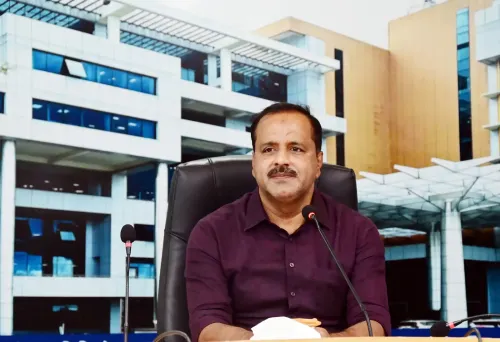
Karnataka Health Minister U.T.
Khader welcomed the Supreme Court's observations on medicine mark-ups and urged the Centre to extend price controls to cardiac and kidney disease drugs .
The state wrote to Union Health Minister J.P.
Nadda on 23 September 2026 , flagging pricing concerns involving 253 medicines and consumables .
The NPPA granted in-principle approval on 8 October 2026 to cap trade margins on non-scheduled anti-cancer medicines at 30 per cent of MRP.
Official estimates suggest the cap could cut anti-cancer drug MRPs by 20–70 per cent , saving patients approximately ₹2,500 crore .
A DGHS expert committee is expected to submit its list of covered medicines by 14 October 2026 .
Karnataka's billing transparency circular — requiring hospitals to disclose landing cost and MRP — takes advisory effect from 1 November 2026 .
Karnataka Health and Family Welfare Minister U.T. Khader on Saturday, 10 October 2026, welcomed the Supreme Court's observations on excessive mark-ups on essential medicines, including cancer drugs, and called on the Union government to swiftly implement price-control measures and extend them to other high-cost life-saving medicines used in treating cardiac and kidney diseases. The state has also directed hospitals to disclose both procurement costs and MRPs on patient bills from 1 November 2026.
Background: Supreme Court Observations and Karnataka's Letter
The Supreme Court had questioned why the maximum retail price (MRP) of essential medicines — including cancer drugs — could not be capped at 16 per cent above the price to retailer (PTR), in line with the ceiling applicable to scheduled medicines under the Drugs (Prices Control) Order (DPCO), 2013. The court also flagged the significant gap between procurement prices and the amounts ultimately charged to patients.
In response, the Karnataka government had written to Union Health Minister J.P. Nadda on 23 September 2026, seeking urgent national intervention after state inspections identified pricing irregularities involving 253 medicines and consumables. The letter highlighted substantial differences between landing costs and the MRPs charged to patients.
What Karnataka Has Proposed
The state has urged the Centre and the National Pharmaceutical Pricing Authority (NPPA) to bring advanced chemotherapy, targeted therapy, and other expensive cancer medicines under the ambit of the DPCO, and to prescribe comprehensive limits on trade margins for costly, life-saving and anti-cancer drugs.
Among the specific proposals: making disclosure of procurement costs, MRPs and additional margins mandatory on all hospital and pharmacy bills; conducting a national-level study on the gap between manufacturers' prices, hospital procurement costs and final patient charges; and constituting an inter-ministerial expert committee drawing on representatives from central ministries, the Department of Pharmaceuticals, NPPA, state governments, hospitals, insurance companies and medical experts.
Karnataka has also sought an expansion of the NPPA's price-control oversight within the applicable legal framework and stronger enforcement powers to prevent excessive charging and unfair profiteering.
NPPA's In-Principle Approval on Trade Margins
At its 283rd meeting (also its 151st meeting), held on 8 October 2026 under the chairmanship of the Secretary of the Ministry of Chemicals and Fertilisers, the NPPA granted in-principle approval to rationalise trade margins on non-scheduled anti-cancer medicines. The proposal seeks to cap trade margins on identified non-scheduled anti-cancer medicines at 30 per cent of their MRP under Paragraph 19 of the DPCO, 2013, subject to finalisation of the list of covered medicines.
The Ministry of Health and Family Welfare has been directed to constitute an expert committee under the Directorate General of Health Services (DGHS) to recommend which anti-cancer medicines should be covered. The committee is expected to submit its report by 14 October 2026. According to official estimates, the proposed measure could reduce the MRPs of several anti-cancer medicines by 20 to 70 per cent, generating patient savings of approximately ₹2,500 crore.
Karnataka's Transparency Circular
As a parallel state-level measure, the Karnataka government issued a circular to healthcare institutions on 1 October 2026 directing them to mention both the landing cost and MRP of medicines on all patient bills. The instructions are advisory in nature and are set to come into effect from 1 November 2026.
The Commissioner of the Food Safety and Drug Administration stated that Karnataka's objective is to ensure the benefits of price rationalisation reach patients directly and reduce the financial burden of treatment.
The Wider Push: Beyond Cancer Medicines
Karnataka has urged the Union government to extend the proposed 30 per cent trade-margin cap beyond cancer medicines to other essential, high-cost life-saving drugs used in treating cardiac and kidney conditions. The state pointed out that non-scheduled medicines — those outside the ceiling prices fixed by the NPPA — account for a substantial share of the medicines market by value, leaving a large segment of patients without pricing protection.
With the DGHS expert committee report due within days and a November deadline approaching for Karnataka's billing transparency directive, the next few weeks are likely to test how quickly the Centre can translate in-principle approvals into enforceable price controls.
Point of View
But 'in principle' is where Indian drug-pricing reform has stalled before. The gap between a committee recommendation and an enforceable price order can stretch for months — even years — while patients continue paying inflated MRPs on non-scheduled medicines. Karnataka's demand to extend controls beyond cancer drugs to cardiac and kidney conditions is the right instinct: life-threatening conditions don't sort themselves by disease category. The real accountability test will come after 14 October, when the DGHS committee files its report — whether the Centre acts on it swiftly or lets it accumulate dust will signal how serious this regulatory moment actually is.
NationPress
10 Oct 2026
Frequently Asked Questions
What is the proposed trade margin cap on anti-cancer medicines in India?
The NPPA has granted in-principle approval to cap trade margins on non-scheduled anti-cancer medicines at 30 per cent of their MRP under Paragraph 19 of the DPCO, 2013. The government estimates this could reduce the MRPs of several cancer drugs by 20 to 70 per cent, saving patients approximately ₹2,500 crore.
Why has Karnataka urged the Centre to extend medicine price controls?
State inspections identified pricing irregularities across 253 medicines and consumables, revealing large gaps between procurement costs and MRPs charged to patients. Karnataka argues that non-scheduled medicines — including those for cardiac and kidney diseases — fall outside existing NPPA price ceilings and account for a significant share of the market by value, leaving millions of patients unprotected.
What did the Supreme Court say about medicine mark-ups?
The Supreme Court questioned why the MRP of essential medicines, including cancer drugs, could not be capped at 16 per cent above the price to retailer, in line with the ceiling applicable to scheduled medicines under the DPCO, 2013. The court also highlighted the substantial difference between procurement prices and final patient charges.
When will Karnataka's medicine billing transparency rule take effect?
Karnataka issued a circular on 1 October 2026 directing healthcare institutions to mention both the landing cost and MRP of medicines on all patient bills. The instructions are advisory in nature and are proposed to come into effect from 1 November 2026.
What happens next on the NPPA's anti-cancer drug price cap?
The Ministry of Health and Family Welfare has been directed to constitute an expert committee under the Directorate General of Health Services (DGHS) to finalise the list of anti-cancer medicines to be covered. The committee is expected to submit its report by 14 October 2026, after which the NPPA will proceed to notify the official price order.