Karnataka RTC bus fares likely to rise as diesel costs climb: Minister Byrathi Suresh
Synopsis
Karnataka's bus fares could rise for the first time since December 2025 after diesel jumped ₹15–₹16 per litre, with Transport Minister Byrathi Suresh saying Cabinet approval is the final hurdle. The decision also puts a spotlight on ₹5,650.95 crore in unpaid Shakti scheme dues owed to the four RTCs — a fiscal fault line that has been quietly widening.
Key Takeaways
Karnataka Transport Minister Byrathi Suresh signalled a likely RTC bus fare hike on 1 October 2026 .
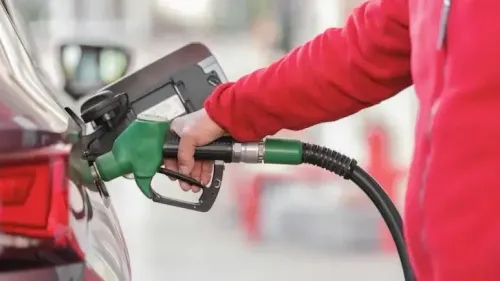
Diesel prices have risen by ₹15–₹16 per litre since the last revision in December 2025 .
All four state-run RTCs have been asked to submit fare-revision reports by Thursday or Friday .
Karnataka's RTCs operate 26,054 buses ; the state provides 3.81 buses per 1,000 people , against a national average of 1.2 .
The four RTCs are owed ₹5,650.95 crore in pending reimbursements under the Shakti Scheme .
The final fare revision will require Cabinet approval before implementation.
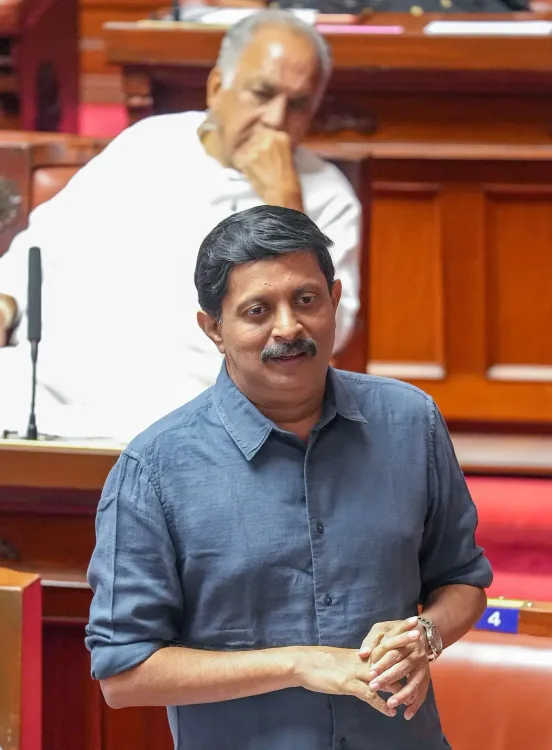
Karnataka Transport Minister Byrathi Suresh on Thursday, 1 October 2026, signalled that bus fares on all four state-run Road Transport Corporations (RTCs) are likely to go up, citing a sustained rise in diesel prices since the last fare revision in December 2025. Speaking to reporters in Bengaluru, Suresh said the Cabinet's approval would be sought before any hike is formally implemented.
What the Minister Said
Suresh confirmed that diesel prices have climbed by ₹15 to ₹16 per litre since the previous fare revision, making it increasingly difficult for the RTCs to cover operating costs. He said the government had already asked all four corporations to submit detailed reports on the proposed revision, with submissions expected by Thursday or Friday.
'We had increased the bus ticket fare in December 2025. Since then, the price of diesel per litre has increased by Rs 15 to Rs 16. We will discuss the proportion of the price hike, make a submission to the government and, after obtaining consent in the Cabinet meeting, the RTC bus fare hike will be implemented,' Suresh said.
The Minister also questioned the Opposition's stance, pointing out that diesel has been raised five times by the Centre. 'If diesel prices have been increased five times by the Centre and the Opposition says bus fares should not be increased, how should we run the RTCs?' he asked.
Scale of Karnataka's Bus Network
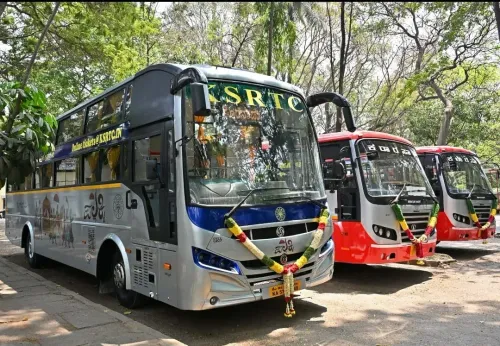
Karnataka's four state-run RTCs collectively operate 26,054 buses across the state. The Bengaluru Metropolitan Transport Corporation (BMTC) alone runs 7,067 buses, including electric buses. According to the Transport Ministry, while the national average is 1.2 buses per 1,000 people, Karnataka provides 3.81 buses per 1,000 people — more than three times the national benchmark.
The Shakti Scheme Complication
Any fare revision will need to be weighed against the political and social weight of the Karnataka Shakti Scheme, which provides free bus travel to women, girls aged 6 and above, and transgender persons on non-luxury state-run buses across Karnataka. The four RTCs are collectively awaiting ₹5,650.95 crore in pending reimbursement dues from the state government under the scheme — a fiscal pressure that compounds the urgency of the fare revision.
What Happens Next
The government will examine RTC reports on operating cost increases before determining the quantum of any hike and whether rates should vary by region. The final proposal will then be placed before the Cabinet for approval. Notably, this would be the first fare revision since December 2025, and the outcome could set a precedent for how other states balance public transport affordability against fuel cost volatility.
Point of View
650.95 crore in Shakti scheme dues still unpaid, the RTCs are financially squeezed from both ends. The real question is whether a fare hike alone can sustain a network that has, by design, been asked to serve social welfare at a loss. Karnataka's 3.81-buses-per-1,000-people ratio is a genuine achievement, but it is underwritten by a subsidy structure that the state government has not fully honoured. A Cabinet-approved fare revision without a parallel resolution of the reimbursement backlog would shift the burden onto commuters while leaving the structural problem intact.
NationPress
1 Oct 2026
Frequently Asked Questions
Why are Karnataka RTC bus fares likely to increase?
Karnataka Transport Minister Byrathi Suresh cited a rise of ₹15–₹16 per litre in diesel prices since the last fare revision in December 2025 as the primary reason. The government says operating costs for the four state-run RTCs have become unsustainable without a corresponding fare adjustment.
When will the Karnataka bus fare hike be officially decided?
The decision will be taken after all four RTCs submit their reports — expected by Thursday or Friday, 2–3 October 2026 — and after the proposal receives Cabinet approval. No date for the Cabinet meeting has been announced yet.
Will the Shakti Scheme free travel for women be affected by the fare hike?
The Karnataka Shakti Scheme provides free bus travel to women, girls aged 6 and above, and transgender persons on non-luxury state-run buses. The Minister has not indicated that the scheme's coverage will be reduced, though the RTCs are currently owed ₹5,650.95 crore in unpaid reimbursements under it.
How large is Karnataka's public bus network?
Karnataka's four state-run RTCs collectively operate 26,054 buses, including 7,067 BMTC buses in Bengaluru. The state provides 3.81 buses per 1,000 people, more than three times the national average of 1.2 buses per 1,000 people.
How many times has the Centre raised diesel prices recently?
According to Minister Byrathi Suresh, the Centre has raised diesel prices five times in the period under reference, which he cited as justification for a corresponding revision in RTC bus fares.