Karnataka sends 500 power workers to cyclone-hit Andhra Pradesh
Synopsis
Karnataka CM DK Shivakumar has pledged 500 skilled power technicians and equipment to cyclone-battered Andhra Pradesh after CM Chandrababu Naidu's direct appeal. Karnataka's Energy Minister KJ George is overseeing the inter-state relief effort as a second cyclone threat looms.
Key Takeaways
500 skilled Karnataka power technicians will be deployed to Andhra Pradesh with equipment to restore electricity after cyclone damage.
The deployment follows a direct personal appeal by AP CM Nara Chandrababu Naidu to Karnataka CM DK Shivakumar .
Karnataka Energy Minister KJ George is coordinating and monitoring the inter-state relief operation in real time.
A second cyclone threat is active in the region; Shivakumar said Karnataka will monitor developments for the next two days .
The operation reflects the well-established southern Indian practice of bilateral state-level disaster assistance, managed entirely without central government intervention in the initial phase.
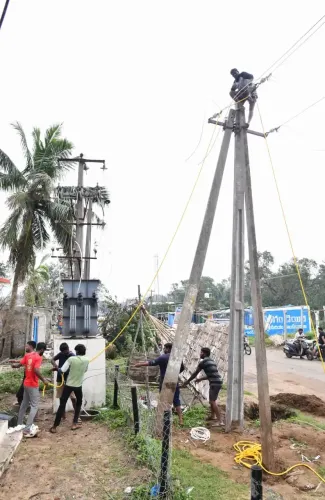
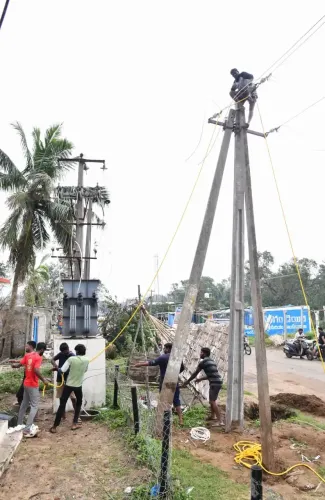
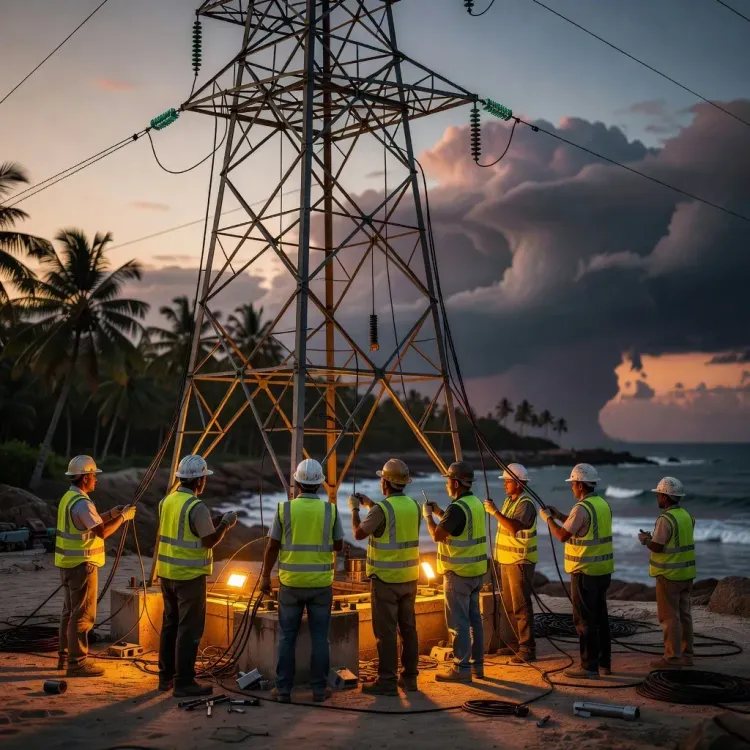
With coastal Andhra Pradesh still reeling from cyclone damage and a second storm threatening its shores, Karnataka has stepped forward with a concrete pledge of manpower and machinery to get the lights back on. The Chief Minister's Office of Andhra Pradesh confirmed on Monday, 2 November 2026 that Karnataka Chief Minister DK Shivakumar has assured full solidarity with the state and committed to dispatching 500 skilled power-sector workers — along with necessary equipment — at the earliest.
Chandrababu's direct appeal, Shivakumar's swift response
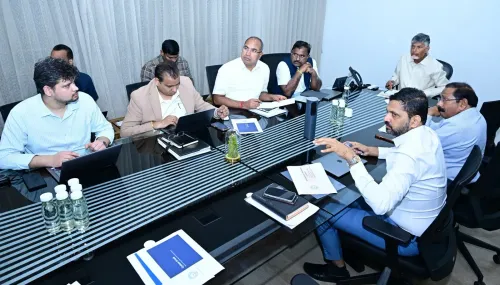
The deployment did not happen automatically. Andhra Pradesh Chief Minister Nara Chandrababu Naidu personally reached out to his Karnataka counterpart requesting emergency assistance. DK Shivakumar responded with an immediate commitment: Karnataka's government would stand by Andhra Pradesh through the disaster and work to restore essential services — power foremost among them — 'as quickly as possible,' according to the CMO post.
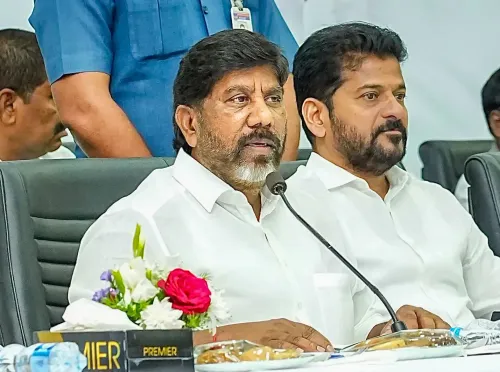
Coordination of the relief effort has been placed squarely under Karnataka's Energy Department. Energy Minister KJ George is personally monitoring the situation on a real-time basis, ensuring the 500-strong technical team is mobilised with the tools required for large-scale grid restoration after storm damage.
A second cyclone keeps everyone watching
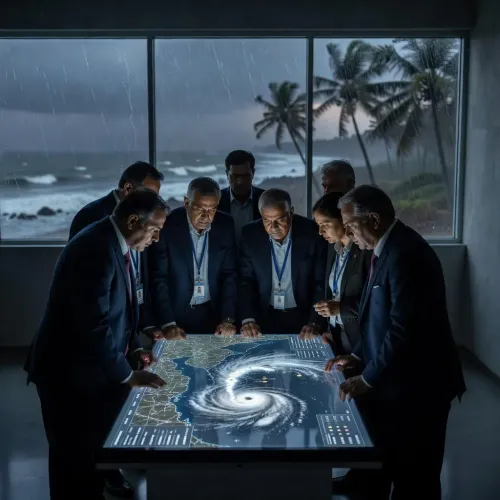
What makes this assistance especially urgent is what may be coming next. CM Shivakumar noted that a fresh cyclone threat is hovering in the region, and Karnataka will keep a close eye on developments 'for the next two days.' That caveat matters: restoring power lines just before a second storm strikes risks compounding both the infrastructure damage and the safety of deployed crews.
Coastal Andhra Pradesh is no stranger to successive Bay of Bengal cyclones arriving in quick succession during the peak November season. Power infrastructure — transmission towers, distribution lines, transformer stations — is invariably among the first casualties, and the last to be fully restored. Getting 500 experienced Karnataka technicians on the ground shortens that window dramatically.
India's inter-state disaster compact in practice
This deployment is a textbook example of how Indian federalism functions at its most practical during natural disasters. Southern states have a well-worn tradition of bilateral assistance: swapping technical teams, equipment pools, and emergency personnel without waiting for central government coordination in the critical early hours. Karnataka and Andhra Pradesh, sharing a long border and interconnected power grids, have particular reason to act fast for each other — what disrupts one state's grid can ripple into the other's.
The operation is being managed entirely at the state level, with Karnataka's Energy Ministry as the nodal coordinating body. Naidu's direct call to Shivakumar — and Shivakumar's same-day public commitment — signals that both administrations are treating speed as the non-negotiable priority.
Five hundred pairs of skilled hands, moving against the clock, with another storm on the horizon. The next forty-eight hours will determine whether Andhra Pradesh's grids are hardened in time — or braced for a second blow.
Point of View
Securing Karnataka's commitment publicly reinforces his government's crisis-management credibility at a moment when successive storms test Andhra Pradesh's infrastructure resilience. For DK Shivakumar, the swift, personal response signals Karnataka's intent to be seen as a constructive regional partner, not merely a political counterpart. The two-day monitoring window Shivakumar flagged is the real operational variable: any escalation from the approaching cyclone could either accelerate the deployment or force a temporary stand-down of field crews.
NationPress
2 Nov 2026
Frequently Asked Questions
How many workers is Karnataka sending to Andhra Pradesh after the cyclone?
Karnataka has decided to send 500 skilled power-sector workers , along with necessary equipment, to help restore electricity in cyclone-affected Andhra Pradesh.
Why did Karnataka agree to send power workers to Andhra Pradesh?
Karnataka CM DK Shivakumar committed the personnel after a direct appeal from Andhra Pradesh CM Nara Chandrababu Naidu , who requested emergency assistance to restore essential services disrupted by the cyclone.
Who is coordinating Karnataka's relief efforts for Andhra Pradesh?
Karnataka's Energy Department is the nodal coordinating body, with Energy Minister KJ George personally monitoring the situation on a real-time basis.
Is another cyclone expected to hit Andhra Pradesh soon?
Yes, according to the Andhra Pradesh CMO post, a fresh cyclone threat is hovering in the region. CM Shivakumar said Karnataka will closely watch developments 'for the next two days.'
Is this kind of inter-state disaster help common in India?
Yes. Indian states, especially southern neighbours, routinely share technical teams and equipment during natural disasters without waiting for central coordination, particularly for power-grid restoration after cyclones.