Karnataka Enhances Fertiliser Management Amid Middle East Instability

Synopsis
In response to geopolitical tensions in the Middle East, Karnataka's Agriculture Department is implementing robust measures to ensure adequate fertiliser supplies for the upcoming monsoon season. Minister N. Cheluvarayaswamy leads these initiatives to mitigate potential shortages and promote sustainable farming practices.
Key Takeaways
Karnataka's Agriculture Department is enhancing fertiliser management amid Middle East instability.
30.05 lakh metric tonnes of fertilisers allocated, with in-stock measures in place.
Urea Distribution App to regulate sales based on landholdings.
Promotion of organic and bio-fertiliser usage under the 'Vasudhamruta' scheme.
Strict monitoring to prevent misuse of subsidised urea.
Bengaluru, April 2 (NationPress) In light of the ongoing instability in the Middle East, the Karnataka Agriculture Department has embarked on a comprehensive plan to ensure sufficient availability and optimal management of fertilisers ahead of the forthcoming monsoon season.
The initiative is being spearheaded by Agriculture Minister N. Cheluvarayaswamy.
A statement from Minister Cheluvarayaswamy's office on Thursday highlighted that the geopolitical turmoil in the Middle East could potentially hinder the import of essential raw materials for fertiliser production, raising concerns about possible supply shortages within the state.
To address this challenge, the department has devised a robust strategy to secure fertiliser supplies.
The Central Government has allocated 30.05 lakh metric tonnes of various fertilisers to Karnataka, with 11.42 lakh metric tonnes currently available as of April 1.
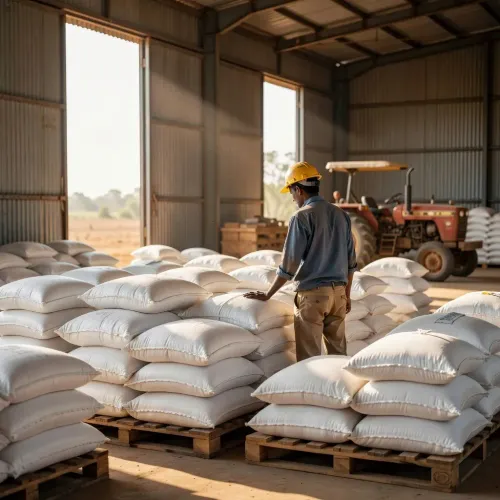
To enhance preparedness, the state has bolstered its buffer stock system through the Karnataka State Cooperative Marketing Federation (KSCMF) and the Karnataka State Seeds Corporation (KSSC).
Currently, there are 28,224 metric tonnes of fertilisers available in the buffer stock, with a mandate to maintain a minimum of 25% stock of urea and DAP, as stated by Minister Cheluvarayaswamy.
Officials have adjusted district-specific fertiliser allocations based on average consumption patterns from the past three years. Detailed planning has also been conducted at the taluk and hobli levels to ensure equitable distribution and avert shortages, he noted.
To manage urea distribution, the department has launched a Urea Distribution App utilizing the FRUITS (Farmer Registration and Unified Beneficiary Information System) database. This system allows for regulated sales of urea according to farmers’ landholdings and cropping patterns.
The application is currently being trialed in eight districts and is set to be expanded statewide during the monsoon season, as per the Minister's announcement.
To combat misuse, specialized committees have been established at both the state and district levels to oversee the diversion of subsidised urea for non-agricultural uses. Breaches will incur strict penalties under the Fertiliser Control Order (FCO), 1985, and the Essential Commodities Act (ECA), 1985, he emphasized.
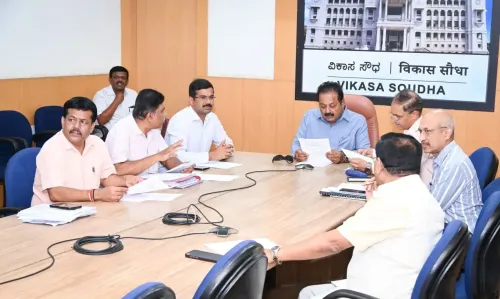
The department has also escalated surveillance at interstate border checkpoints to prevent unlawful urea transportation. Weekly video conferencing sessions are being conducted to monitor fertiliser supply, sales, and inventory status across districts.
In addition to supply-side strategies, the government is advocating for balanced fertiliser utilization, urging farmers to embrace organic, bio-fertiliser, and natural farming techniques. Under the ‘Vasudhamruta’ scheme, organic and bio-fertilisers are being offered to farmers at subsidized prices,” he stated.
Minister Cheluvarayaswamy affirmed that the department, under his guidance, has instituted stringent precautionary and regulatory measures to ensure there is no deficit of fertilisers during the 2026 monsoon season.
Point of View
The proactive measures undertaken by Karnataka's Agriculture Department reflect a commitment to agricultural stability amid external challenges. Ensuring adequate fertiliser supplies is crucial for farmers, and these initiatives demonstrate a forward-thinking approach to potential disruptions.
NationPress
10 Sept 2026
Frequently Asked Questions
What measures is Karnataka taking to ensure fertiliser availability?
Karnataka is implementing a multi-faceted strategy, including increased buffer stock, district-wise allocation adjustments, and the launch of a Urea Distribution App to manage supplies effectively.
How much fertiliser has been allocated to Karnataka?
The Centre has allocated 30.05 lakh metric tonnes of various fertilisers to Karnataka, with 11.42 lakh metric tonnes currently in stock as of April 1.
What is the 'Vasudhamruta' scheme?
The 'Vasudhamruta' scheme provides organic and bio-fertilisers to farmers at subsidized rates, promoting sustainable farming practices.
How is urea distribution being managed?
The Urea Distribution App allows for controlled sales of urea based on farmers' landholdings and cropping patterns, currently being tested in eight districts.
What actions are taken against fertiliser misuse?
Special committees monitor the diversion of subsidised urea for non-agricultural purposes, with violations facing strict penalties under applicable laws.