Why is Karnataka Opposing Pinarayi's Malayalam Proposal?
Synopsis
Tensions rise between Karnataka and Kerala over the controversial Malayalam Language Bill–2025, with significant implications for linguistic rights and education in border districts like Kasaragod. Both political sides in Karnataka have voiced strong opposition, highlighting the importance of protecting Kannada children's education.
Key Takeaways
Controversy over the Malayalam Language Bill–2025 highlights tensions between Karnataka and Kerala.
Karnataka officials stress the importance of protecting Kannada linguistic rights.
Political leaders from both sides are vocal in their opposition and concerns.
Educational impact on Kannada-speaking children is a central issue.
Dialogue is essential for resolving language-related disputes.
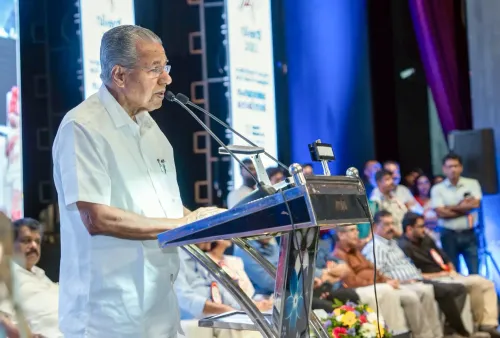
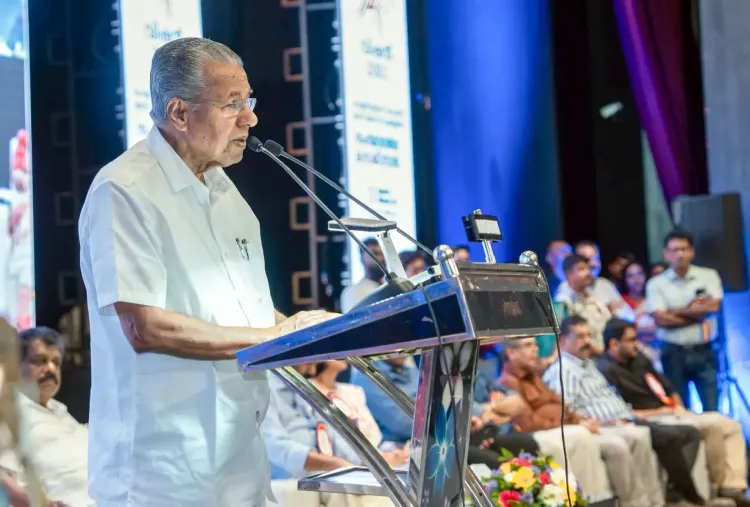
Bengaluru, Jan 9 (NationPress) A significant controversy has arisen between Karnataka and Kerala regarding the Malayalam Language Bill–2025 introduced by Chief Minister Pinarayi Vijayan's administration. This initiative has faced backlash from both the ruling Congress and the Opposition BJP in Karnataka.
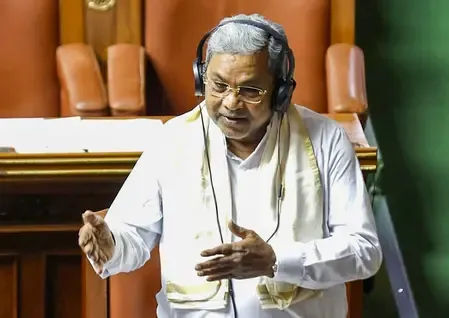
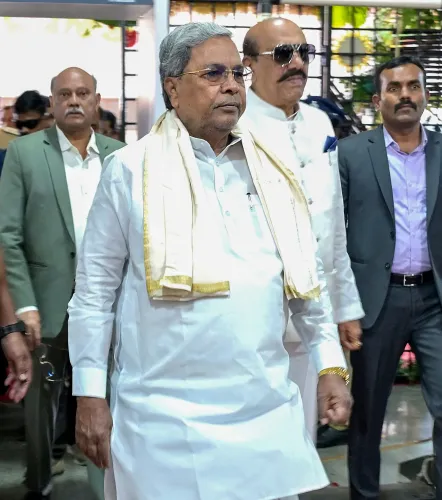
Chief Minister Siddaramaiah has conveyed his concerns to Kerala's Chief Minister Vijayan, arguing that the proposed bill, which requires Malayalam to be the primary language even in Kannada-medium schools within Kerala, undermines linguistic freedom and disregards the realities of Kerala’s border areas, particularly Kasaragod.
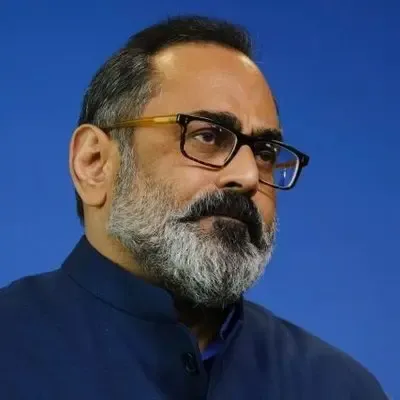
In response, former Chief Minister and BJP MP Basavaraj Bommai stated in Hubballi that the Karnataka government seems to be operating under the directives of the Kerala government.
“The government must prioritize the needs of Kannada children,” he emphasized.
Bommai noted that the Karnataka government had provided financial aid during the Wayanad crisis in Kerala and insisted that such contributions should be acknowledged. He also highlighted the ongoing dispute over Kasaragod's status, emphasizing that the Kannada-speaking populace is predominant there, which justifies the existence of Kannada schools. If Malayalam becomes mandatory, he questioned the fate of Kannada-speaking children. The Chief Minister must ensure their interests are safeguarded in Kerala,” Bommai asserted.
Public Works Minister Satish Jarkiholi stated that the majority of the population in Kasaragod speaks Kannada, urging a strong protest against this legislation.
Home Minister G. Parameshwara remarked that language-related disputes between neighboring states are not unprecedented. “Language issues in India have been longstanding, particularly between border states like Kerala and Karnataka, and also with Tamil Nadu and Maharashtra. There are constitutional frameworks in place to resolve these disputes, and decisions should align with these provisions,” he stated.
Parameshwara also mentioned he would gather further details on this matter and provide a response later.
Deputy Chief Minister and Congress state head D.K. Shivakumar indicated he needed more information before making any comments.
In his letter to Chief Minister Pinarayi Vijayan on Thursday night, Siddaramaiah emphasized that India's unity depends on honoring every language and every individual's right to education in their native tongue.
“For linguistic minorities, language transcends being just a subject; it embodies identity, dignity, accessibility, and opportunity. When a single 'first language' is mandated, it not only burdens students who are learning in their native language but also disrupts their academic growth and confidence. This narrows their options for a second language and undermines minority-run institutions and education systems,” he explained.
“In the border region of Kasaragod, generations have been educated in Kannada-medium schools and have relied on Kannada in their daily lives and studies. Local representatives have long pointed out that a substantial majority—approximately 70% in some areas of the district—favor Kannada education and the Kannada script. This should not be seen as a threat to Malayalam; rather, it illustrates India's diverse culture, where languages thrive together harmoniously,” Siddaramaiah concluded.
Point of View
It's crucial to recognize the sensitivities surrounding language rights in India. This situation highlights the importance of dialogue and cooperation between states to honor linguistic diversity while ensuring that all communities feel represented and respected.
NationPress
6 Oct 2026
Frequently Asked Questions
What is the Malayalam Language Bill–2025?
The Malayalam Language Bill–2025 is a legislative proposal by Kerala's government that aims to make Malayalam the primary language of instruction even in Kannada-medium schools in Kerala.
Why is Karnataka opposing this bill?
Karnataka opposes the bill as it believes it undermines the linguistic rights of Kannada-speaking children, especially in border areas like Kasaragod where the majority of residents speak Kannada.
What are the implications of this bill?
The bill could disrupt the education of Kannada-speaking children by forcing them to learn in a language they may not be fluent in, affecting their academic confidence and progression.
Who are the key political figures involved?
Key figures include Karnataka Chief Minister Siddaramaiah, former Chief Minister Basavaraj Bommai, and Kerala Chief Minister Pinarayi Vijayan.
How has the Karnataka government responded?
The Karnataka government, including various ministers, has expressed strong opposition to the bill, emphasizing the need to protect the interests of Kannada-speaking children.