What’s Happening with Night Temperatures in Kashmir as Tourists Arrive for the Holidays?
Synopsis
As the night temperatures in Kashmir plunge below freezing, the region welcomes a wave of tourists eager to celebrate Christmas and New Year's amidst stunning winter landscapes. Will this season's influx revive the local tourism industry? Discover the details about the chilling temperatures and festive spirit in the Valley.
Key Takeaways
Kashmir Valley's night temperatures have dipped below freezing.
The Chillai Kalan cold spell is currently underway.
A surge in tourists is being noticed for Christmas and New Year celebrations.
Hotels are gradually reviving in response to the influx.
Local traditions, such as using the Kangri , help residents combat the cold.
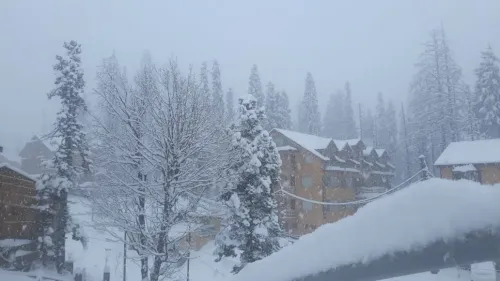
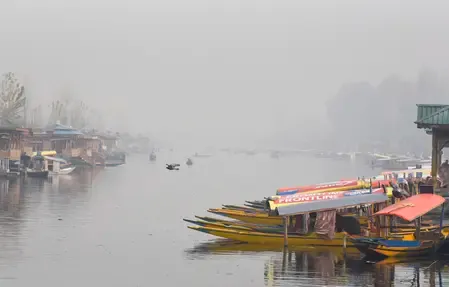
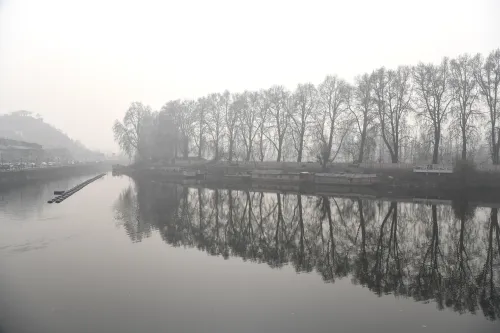
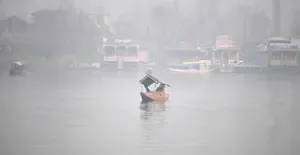
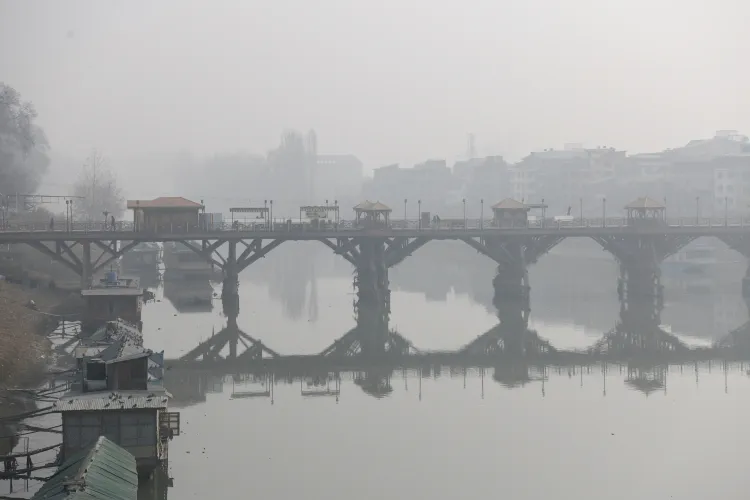
Srinagar, Dec 25 (NationPress) The night temperatures in the Kashmir Valley dipped below freezing on Thursday, influenced by a clear night sky. The Meteorological (MeT) Department has predicted predominantly dry weather in Jammu and Kashmir until the end of the year.
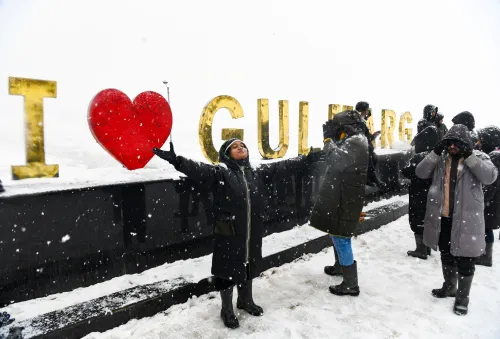
The city of Srinagar recorded a minimum temperature of minus 2.2 degrees Celsius, while Gulmarg ski resort and Pahalgam hill station experienced even colder temperatures at minus 5.8 and minus 4.4 degrees Celsius respectively.
In Jammu, the temperatures were relatively milder, with readings of 8.1 degrees Celsius in the city, 8.4 in Katra, 4.7 in Batote, 4.8 in Banihal, and a chilly 0.3 degrees in Bhaderwah.
For the first time in days, residents were observed igniting small fires near water taps in Srinagar and other locations to prevent them from freezing.
During the day, a bright sun appeared in the clear sky, providing some respite from the intense cold that has enveloped the Valley.
Despite the cold nights, people in Jammu are also feeling the chill, although the temperatures are significantly warmer compared to those in the Valley.
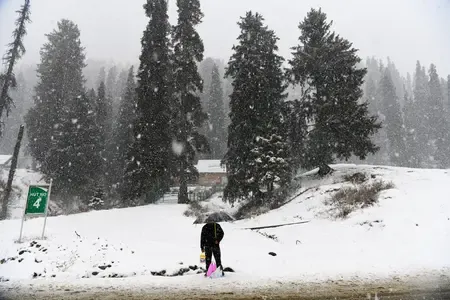
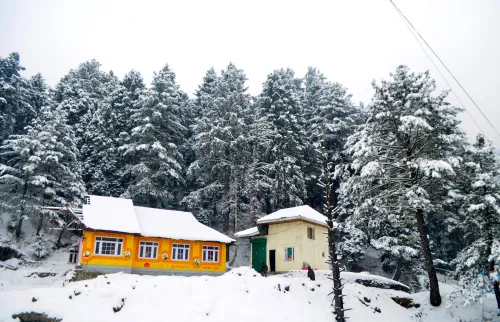
A considerable influx of tourists has been noted in Kashmir following recent snowfall in the higher elevations, with many visiting to celebrate Christmas and subsequently heading to Gulmarg and other hill stations for New Year’s Eve.
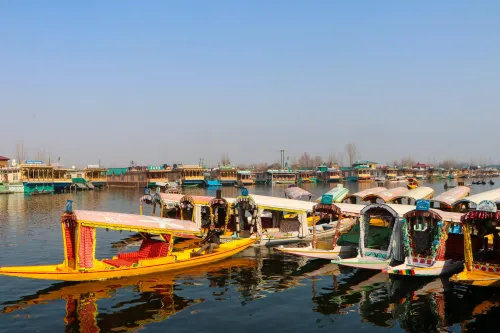
Hotels in Srinagar, Gulmarg, and surrounding areas are gradually returning to activity, as those in the tourism sector hope for a record influx of visitors in the upcoming year.
The harsh winter period, known locally as 'Chillai Kalan', commenced on December 21 and will last until January 30.
During this phase, the temperature differential between day and night diminishes, causing various water bodies to freeze either partially or entirely.
The minimum temperatures often plummet to between minus 6 and 7 degrees, while daytime highs rarely reach double digits during Chillai Kalan.
To combat the chill, locals often rely on the 'Kangri', an earthen pot filled with hot charcoal, encased in a handwoven wicker basket for easy transport.
Point of View
The current weather conditions in Kashmir reflect both a challenge and an opportunity. The sharp drop in temperatures has prompted unique local adaptations, while the influx of tourists for the festive season signals a potential resurgence for the region’s tourism sector. It is crucial to highlight the resilience of communities in adapting to both climate and economic changes. NationPress stands with the spirit of local pride and tourism revival.
NationPress
14 Oct 2026
Frequently Asked Questions
What is the current night temperature in Kashmir?
The night temperature in Kashmir has dropped below freezing, with Srinagar at minus 2.2 degrees Celsius, Gulmarg at minus 5.8 degrees, and Pahalgam at minus 4.4 degrees.
What is 'Chillai Kalan'?
'Chillai Kalan' is a 40-day period of severe winter cold in Kashmir that starts on December 21 and ends on January 30, during which temperatures can drop significantly.
How are the hotels in Kashmir responding to the influx of tourists?
Hotels in Srinagar, Gulmarg, and surrounding areas are seeing a gradual return to activity as many tourists arrive to celebrate the holidays, boosting the local economy.