Kashmir's Situation Shows Signs of Improvement Amid Ongoing Restrictions
Synopsis
Despite ongoing restrictions, the situation in Kashmir is gradually improving as tensions ease. Authorities maintain a firm grip on public gatherings while residents slowly resume normal activities. Chief Minister Omar Abdullah stresses the importance of peace and communal harmony in light of recent events.
Key Takeaways
Ongoing Restrictions: Authorities maintain strict measures to ensure public order.
Improving Situation: Signs of normalcy are emerging as tensions ease.
Educational Closures: Schools and universities remain closed until March 7.
Online Content Monitoring: FIRs filed against individuals for objectionable content.
Community Engagement: Chief Minister calls for peace and unity among citizens.
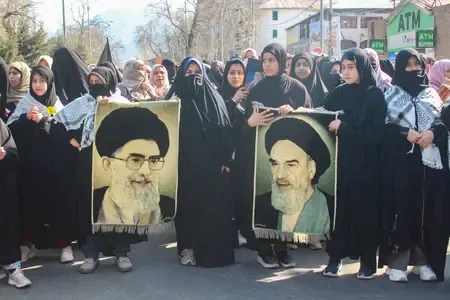
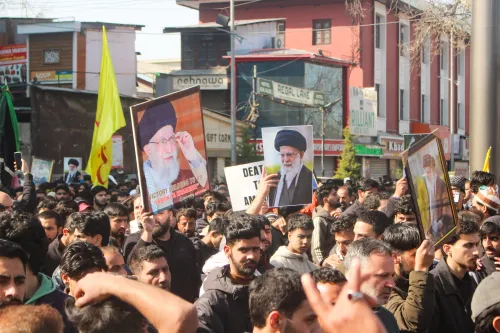
Srinagar, March 5 (NationPress) While restrictions persist throughout Kashmir, there are signs of improvement in the overall situation as tensions begin to ease. The unrest initially arose following protests triggered by the passing of Ayatollah Ali Khamenei due to US-Israeli military actions in Iran.
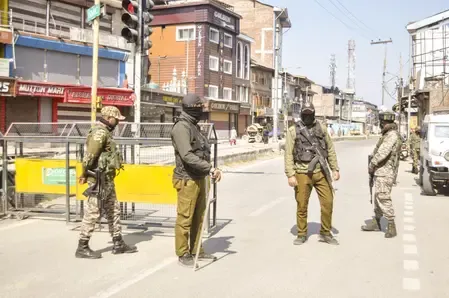
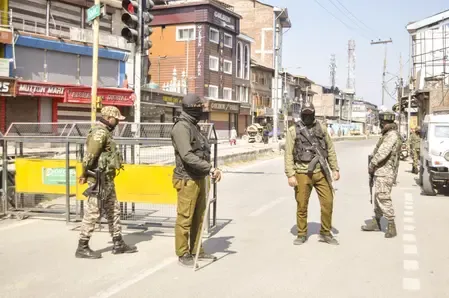
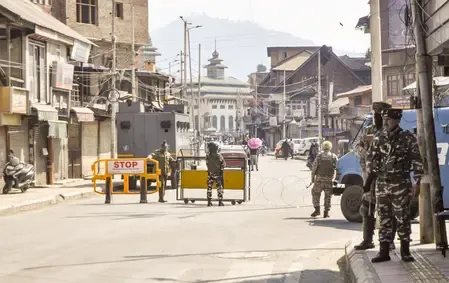
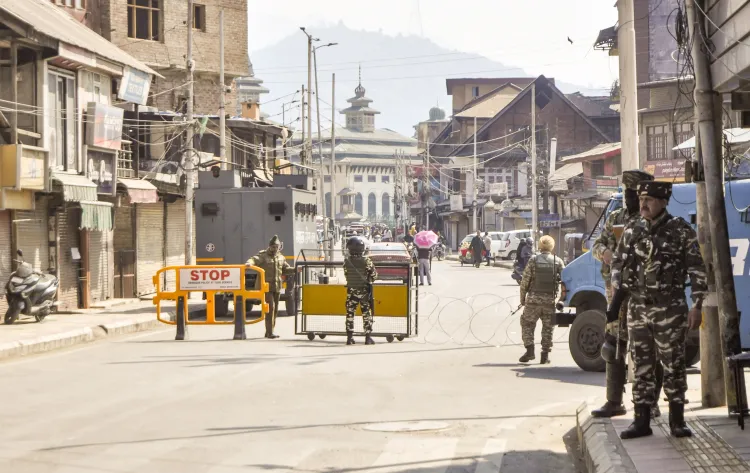
Officials announced that restrictions would remain in effect across the Valley today, prohibiting any protests or gatherings to ensure public order. Heavy deployments of police and CRPF units are present at sensitive areas in both Srinagar and other districts.
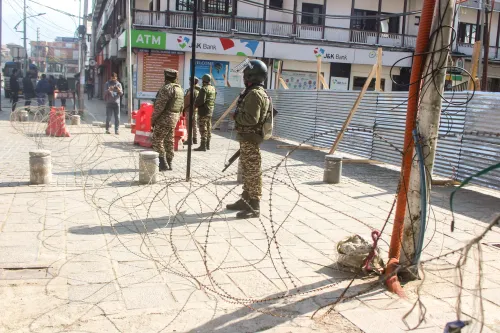
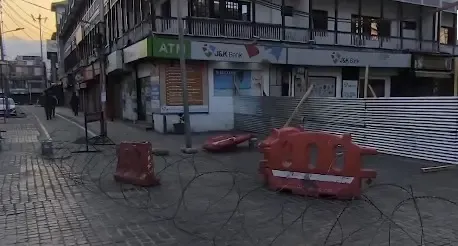
Barricades and blockades have been strategically placed at various road intersections to uphold these restrictions, particularly in regions with significant Shia Muslim populations. Despite these measures, the atmosphere in the Valley shows signs of improvement, with individuals venturing out in small groups to procure essential goods in the uptown sections of Srinagar and its district headquarters.
Except for Lal Chowk, where barricades and concertina wire have been extensively used, shops in other parts of uptown Srinagar resumed normal operations. As the situation calms, security forces appear to be exercising more leniency towards citizens returning to their daily routines where feasible.
Reports from district headquarters indicate that markets are reopening, allowing residents to shop for necessities. In Srinagar city, office workers, apart from those in older parts of the city, returned to work as usual.
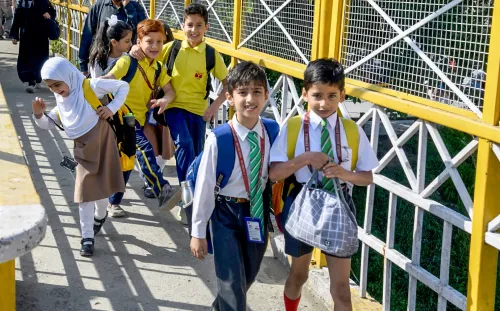
Educational institutions including schools, colleges, and universities remain closed today, with plans to reopen after March 7. All examinations scheduled before this date have been postponed by Kashmir University and other educational institutions.
While internet services will continue to operate at a 2G speed, prepaid mobile services remain suspended until further notice. Authorities have also initiated FIRs against individuals for posting inflammatory content online, including MP Aga Syed Ruhullah Mehdi and former Srinagar mayor, Junaid Azim Mattu, for allegedly sharing provocative material.
These limitations were enforced as a precautionary response to the unrest following the death of Iranian Supreme Leader Ayatollah Ali Khamenei due to US-Israeli strikes.
Chief Minister Omar Abdullah engaged with civil society members, including representatives from religious, social, and business sectors in Srinagar. He offered prayers for those who lost their lives in the recent events in Iran, including Ayatollah Ali Khamenei, and called for peace and communal harmony. Abdullah encouraged the community to express their emotions and concerns peacefully while fostering unity and brotherhood.
Point of View
The situation in Kashmir remains delicate yet hopeful. While restrictions are necessary to maintain law and order, the gradual easing of tensions suggests a desire among the populace for normalcy. The government's approach to balancing security with civil liberties will be crucial moving forward.
NationPress
30 Sept 2026
Frequently Asked Questions
What is the current situation in Kashmir?
The situation in Kashmir is showing signs of improvement with ongoing restrictions, aimed at maintaining law and order following protests.
Why are restrictions in place?
Restrictions have been implemented as a precautionary measure due to protests triggered by the death of Ayatollah Ali Khamenei in Iran.
Are educational institutions open in Kashmir?
No, schools, colleges, and universities in Kashmir are closed and are expected to reopen after March 7.
What actions have authorities taken regarding online content?
FIRs have been filed against certain individuals for uploading provocative content online amidst the unrest.
How are local businesses responding to the restrictions?
While some areas face strict enforcement of restrictions, many businesses in uptown Srinagar are starting to resume normal operations.