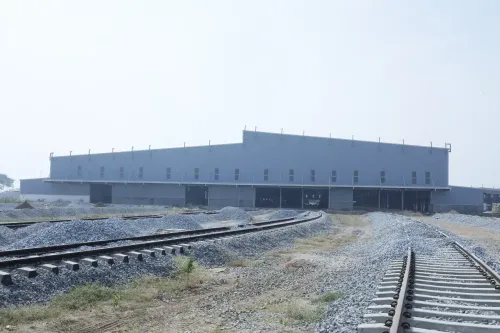
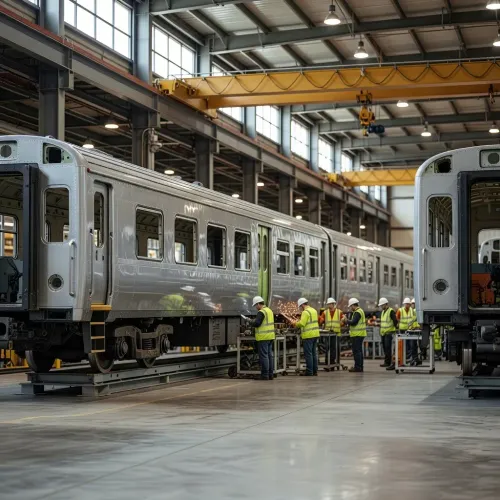
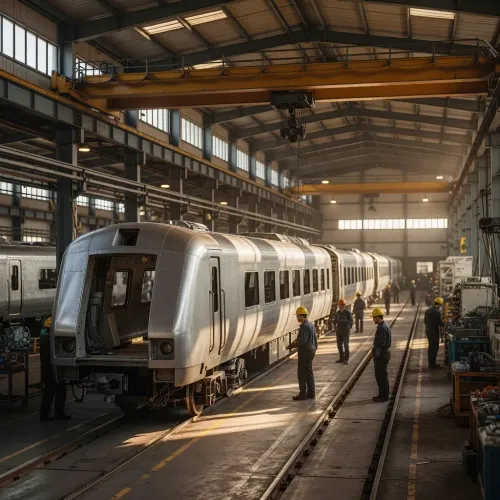
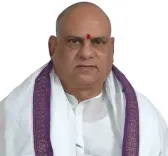
Kishan Reddy: Kazipet RMU 95% complete, launch soon
Synopsis
Union Minister G. Kishan Reddy announced on 30 May 2026 that the ₹521.36 crore Railway Manufacturing Unit at Kazipet, Telangana, is 95 per cent complete and set to launch soon, boosting Indian Railways' capacity and the state's industrial growth.
Key Takeaways
Kishan Reddy announced on 30 May 2026 that the Kazipet Railway Manufacturing Unit is 95% complete .
The project carries a total outlay of ₹521.36 crore .
The facility is located at Kazipet , a major railway junction in Warangal district, Telangana .
Once operational, the RMU will strengthen Indian Railways' domestic manufacturing capacity under the Atmanirbhar Bharat framework.
The unit is expected to drive industrial growth and employment in Telangana through direct jobs and ancillary supply chain development.
Formal inauguration date and initial production targets are yet to be officially announced.
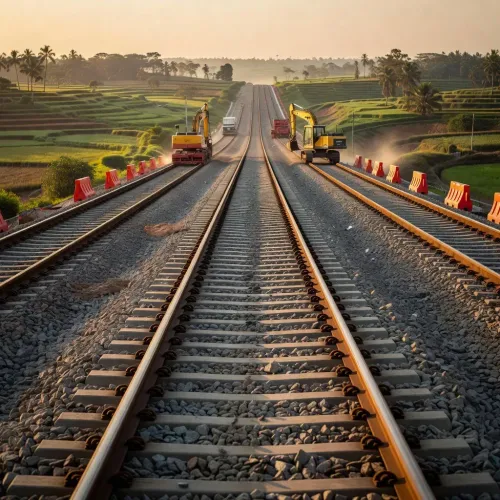
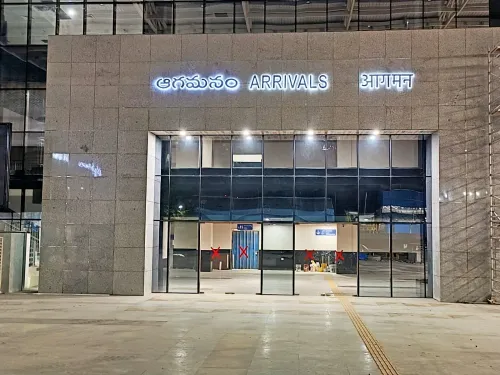
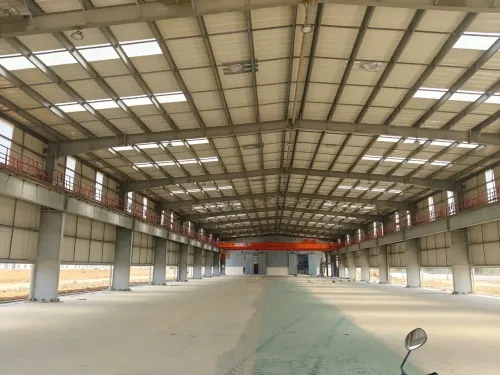
Union Coal and Mines Minister G. Kishan Reddy on Saturday, 30 May 2026, highlighted that the Railway Manufacturing Unit (RMU) under construction at Kazipet in Telangana is nearing completion, with 95 per cent of work finished and the facility set to open shortly. The project carries an outlay of ₹521.36 crore and is expected to strengthen both Indian Railways' production capacity and industrial growth in the state.
Context
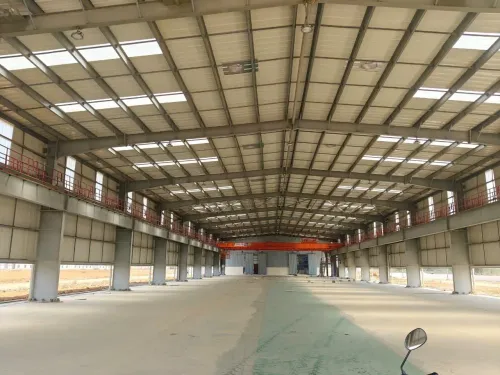
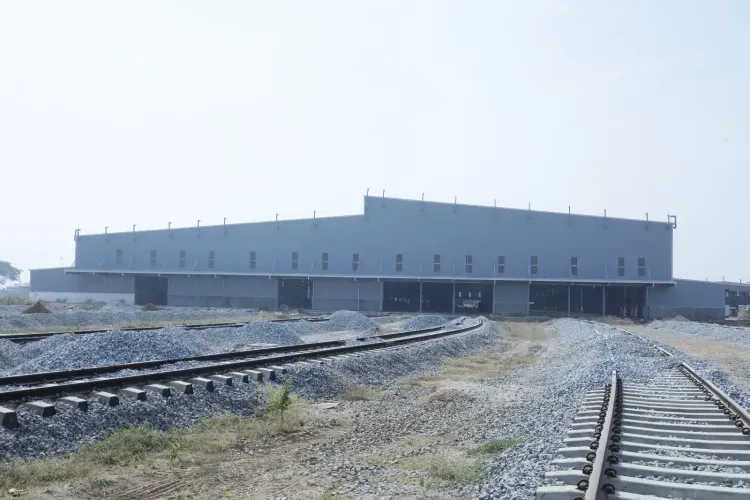
Reddy, who also serves as BJP Telangana state president, posted in Telugu stating that the Kazipet RMU is progressing rapidly — 'శరవేగంగా పనులు పూర్తి చేసుకుంటోంది' (completing work at lightning speed). He noted that the unit will not only enhance Indian Railways' capacity but will also contribute to industrial growth in the state. The post was accompanied by four images showing the facility's construction progress.
Kazipet is a significant railway junction in Warangal district, Telangana, and has historically been central to railway operations in the region. The choice of Kazipet for a dedicated manufacturing unit aligns with its existing rail infrastructure and skilled workforce base.
Policy Backdrop
The Kazipet RMU is part of Indian Railways' broader strategy, pursued across successive Union Budgets since 2014, to decentralise rolling stock and component manufacturing beyond legacy hubs such as Perambur, Kapurthala, and Rae Bareli. This push is closely tied to the Atmanirbhar Bharat initiative, which seeks to reduce dependence on imported railway equipment and stimulate domestic supply chains.
Telangana, formed as a separate state in 2014, has been a recipient of multiple rail infrastructure investments under central schemes aimed at creating regional manufacturing clusters. The Kazipet facility, once operational, is expected to feed into the broader Indian Railways supply chain for coaches, wagons, or related components.
Stakeholders and Impact
The primary beneficiaries of the Kazipet RMU include the Telangana industrial workforce, local ancillary vendors, and the wider Indian Railways supply chain. A dedicated manufacturing unit of this scale typically generates direct employment in production and maintenance, as well as indirect jobs in logistics, raw material supply, and support services.
For Indian Railways, the unit represents added domestic production capacity at a time when the national transporter is expanding its fleet of passenger coaches and freight wagons to meet rising demand. Regional manufacturing units also reduce transit costs and delivery timelines compared to centralised production facilities.
What's Next
With 95 per cent of construction work reported as complete, the formal inauguration of the Kazipet RMU is expected in the near term. Observers will watch for announcements on the facility's initial production targets, the categories of rolling stock or components it will manufacture, and any linked employment or vendor development commitments from the Railway Ministry or the state government.
The inauguration, when it occurs, is likely to carry political significance for both the BJP in Telangana and the Union government's infrastructure narrative ahead of future electoral cycles. How quickly the unit reaches operational capacity will be a key indicator of the project's delivery on its industrial promise.
Point of View
And it keeps a high-value central project visible in Telangana's public discourse. The timing — with the facility reportedly at 95 per cent completion — suggests the party is positioning itself to claim credit at inauguration. More broadly, the Kazipet unit fits into a decade-long pattern of the Centre using railway investments as a tool for regional industrial policy, particularly in states with strong electoral stakes. Whether the unit's launch translates into tangible employment numbers will determine how durable this political dividend proves to be.
NationPress
14 Oct 2026
Frequently Asked Questions
What is the Kazipet Railway Manufacturing Unit?
The Kazipet Railway Manufacturing Unit (RMU) is a dedicated production facility being built at Kazipet in Telangana's Warangal district to manufacture railway coaches, wagons, or components, supporting Indian Railways' domestic supply chain.
How much does the Kazipet RMU project cost?
The Kazipet RMU project carries an outlay of ₹521.36 crore , as stated by Union Minister G. Kishan Reddy.
When will the Kazipet RMU be inaugurated?
An official inauguration date has not been announced yet. With 95 per cent of construction reportedly complete as of May 2026, the launch is expected in the near term.
Who announced the Kazipet RMU progress update?
Union Coal and Mines Minister and BJP Telangana state president G. Kishan Reddy announced the update via a post on X on 30 May 2026.
How does the Kazipet RMU benefit Telangana?
The facility is expected to generate direct employment in manufacturing and maintenance, support ancillary industries in the region, and contribute to Telangana's industrial growth as part of the Atmanirbhar Bharat initiative.