Kishan Reddy hails Kazipet RMU's 200-train mandate
Synopsis
Union Minister G. Kishan Reddy has thanked PM Modi and Railway Minister Ashwini Vaishnaw after the Kazipet Railway Manufacturing Unit in Telangana was assigned a five-year mandate to produce 200 modern intercity trains with 20-coach configurations, speeds up to 130 km/h, and advanced passenger amenities.
Key Takeaways
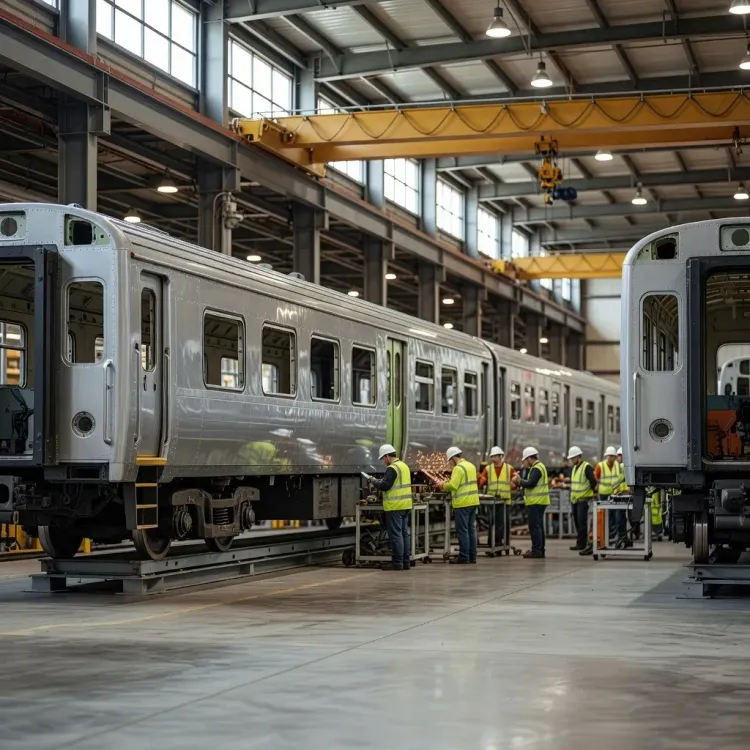
The Kazipet Railway Manufacturing Unit (RMU) in Warangal district, Telangana, has been assigned a target to manufacture 200 intercity trains over five years .
The announcement was made by Railway Minister Ashwini Vaishnaw during a review meeting related to the Kazipet facility.
Each train will have a 20-coach configuration with automatic door closing, improved ventilation, and safer coach design.
The trains are designed for routes of approximately 300 km , operating at speeds up to 130 km/h with multiple stops.
Kishan Reddy publicly thanked PM Modi and Vaishnaw, citing continuous support for Telangana's development.
The mandate aligns with the Make in India policy of decentralising rolling stock production beyond traditional hubs like Chennai and Kapurthala.
Union Coal and Mines Minister and BJP Telangana president G. Kishan Reddy on Thursday, 29 May 2026, expressed gratitude to Prime Minister Narendra Modi and Union Railway Minister Ashwini Vaishnaw after the Railway Manufacturing Unit (RMU) at Kazipet, Telangana was assigned a target to manufacture 200 intercity trains over the next five years.
Context
Kishan Reddy shared the announcement following a review meeting conducted by Ashwini Vaishnaw in connection with the Kazipet RMU. In the post, he wrote — translated from Telugu — 'మనస్ఫూర్తిగా కృతజ్ఞతలు' ('heartfelt gratitude') to both the Prime Minister and the Railway Minister for their 'continuous support for the development of Telangana.'
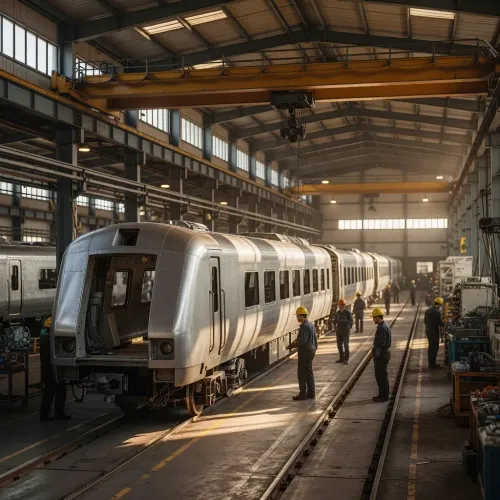
The review meeting resulted in the Kazipet unit being formally assigned the responsibility of producing 200 intercity trains equipped with 20-coach configurations, featuring automatic door closing, improved ventilation, and safer coach design.
Policy Backdrop
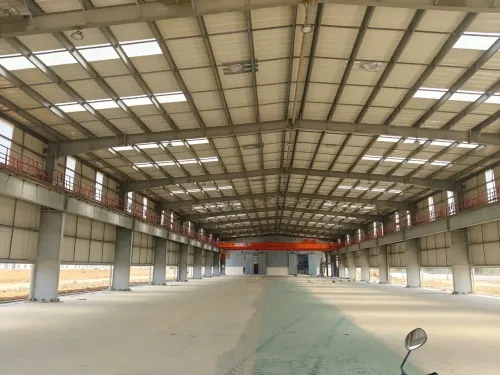
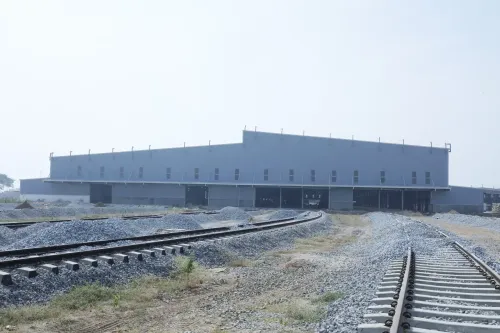
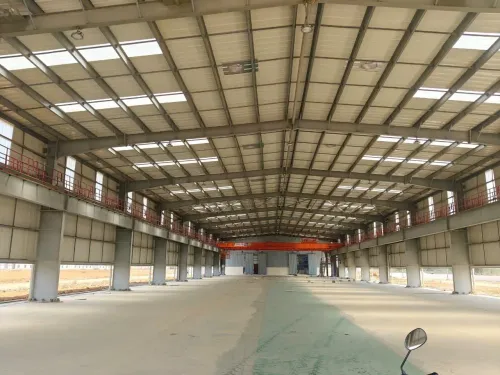
The Kazipet Railway Manufacturing Unit in Warangal district is an existing Indian Railways facility focused on coach production. The new mandate fits within the broader Make in India push that the central government has pursued since 2014, which has seen specific rolling stock production targets distributed across state-level manufacturing units to reduce dependence on traditional hubs such as Chennai and Kapurthala.
The intercity trains to be produced at Kazipet are designed for routes of approximately 300 kilometres, operating at speeds of up to 130 km/h with multiple stops to connect towns and cities. This segment of short-haul intercity rail has been a policy focus as Indian Railways seeks to modernise its regional connectivity offering.
Stakeholders and Impact
Kishan Reddy highlighted that the trains would benefit students travelling to nearby towns for higher education, as well as ordinary citizens commuting for healthcare and employment needs. The 20-coach configuration and modern amenities signal a step up from older intercity stock currently in service on comparable routes.
Beyond passengers, the production mandate is expected to generate employment for workers at the Kazipet RMU and create demand for local component suppliers in Telangana. The allocation of a large, multi-year production order to a southern India facility also carries political significance for the BJP in a state where it is seeking to expand its footprint.
What's Next
Attention will now turn to the phased delivery schedule for the first batch of these intercity trains and the timeline for their induction into revenue service. Further production allocations or route announcements tied to these trains could emerge in subsequent railway budget reviews or parliamentary sessions. The Kazipet unit's ability to meet the 200-train, five-year target will be closely watched as a benchmark for decentralised railway manufacturing under the current policy framework.
Point of View
Who holds both a Union Cabinet portfolio and the party's state presidency. Distributing large rolling stock orders to regional units is a well-established pattern under the current government, serving the dual purpose of advancing the Make in India agenda and embedding economic stakes in politically competitive states. The five-year horizon also means the order will remain visible through at least one more electoral cycle in Telangana. Whether the Kazipet RMU can absorb and execute a mandate of this scale will ultimately determine how much political and policy capital the announcement yields.
NationPress
11 Oct 2026
Frequently Asked Questions
What is the Kazipet Railway Manufacturing Unit?
The Kazipet RMU is an Indian Railways coach manufacturing facility located in Warangal district, Telangana, that has now been assigned a target to produce 200 intercity trains over five years.
How many trains will Kazipet RMU produce and in how many years?
The Kazipet RMU has been assigned a mandate to manufacture 200 intercity trains over the next five years, as announced by Railway Minister Ashwini Vaishnaw during a review meeting.
What features will the new intercity trains have?
The intercity trains will have a 20-coach configuration with automatic door closing, improved ventilation, safer coach design, and will operate at speeds up to 130 km/h on routes of approximately 300 km.
Why did Kishan Reddy thank PM Modi and Ashwini Vaishnaw?
Union Minister G. Kishan Reddy expressed gratitude to PM Modi and Railway Minister Ashwini Vaishnaw for assigning the 200-train production mandate to the Kazipet RMU, calling it continuous support for Telangana's development.
Who will benefit from the new intercity trains made at Kazipet?
Students travelling to nearby towns for higher education and ordinary citizens commuting for healthcare or employment on short-haul routes of around 300 km are the primary intended beneficiaries, along with workers and suppliers at the Kazipet facility.