Kishan Reddy Backs RMU to Boost Railways, Jobs in Telangana
Synopsis
Union Minister G. Kishan Reddy has backed a Rolling Stock Manufacturing Unit in Telangana, saying it will strengthen Indian Railways production capacity, spur ancillary industries, and generate employment across the state and beyond.
Key Takeaways
Kishan Reddy , Union Minister of Coal and Mines and BJP Telangana state president, publicly endorsed the RMU project on 29 May 2026 .
The minister said the RMU will 'strengthen the production of rolling stock for Indian Railways ' and catalyse an ancillary industrial ecosystem.
Both Ministry of Railways and South Central Railway were tagged, indicating multi-level administrative coordination.
The project aligns with the Make in India push for domestic railway manufacturing, a priority since 2014 .
Employment generation and socio-economic development in Telangana and beyond are the stated outcomes.
Tender finalisation, land acquisition, and first production milestones remain key pending developments to watch.
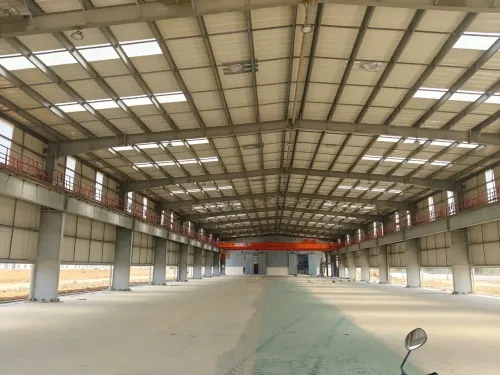
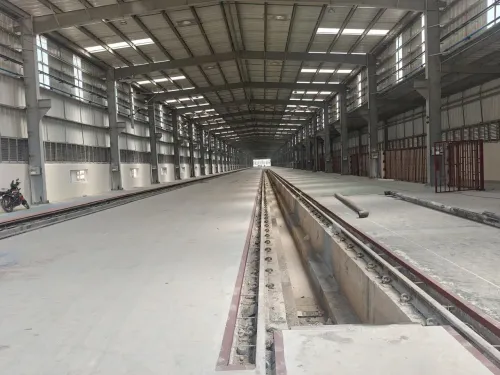
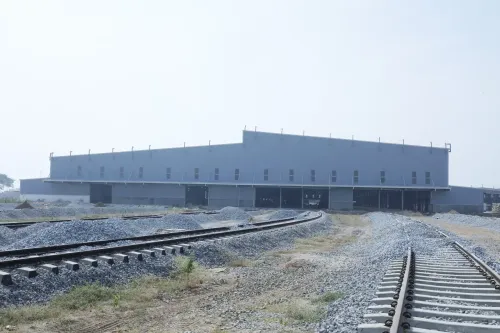
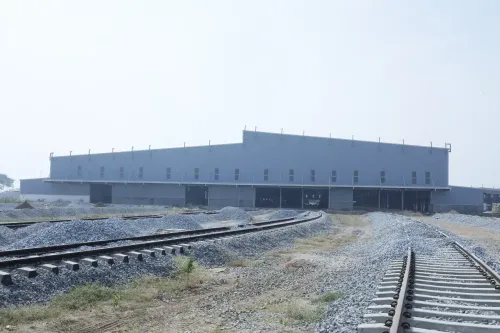
Union Coal and Mines Minister and BJP Telangana state president G. Kishan Reddy on Friday, 29 May 2026, voiced strong support for a Rolling Stock Manufacturing Unit (RMU) set to come up in Telangana, saying the facility would catalyse an industrial ecosystem across the region and generate significant employment.
Context
Replying to his own earlier post, Kishan Reddy stated that the RMU 'will not only strengthen the production of rolling stock for Indian Railways but also catalyse an industrial ecosystem in the region, encouraging ancillary industries, generating employment, and boosting socio-economic development across Telangana and beyond.' The post tagged both the Ministry of Railways and South Central Railway, signalling coordination at the zonal and central levels.
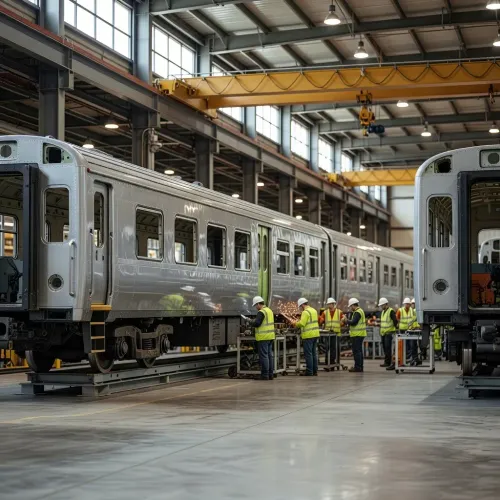
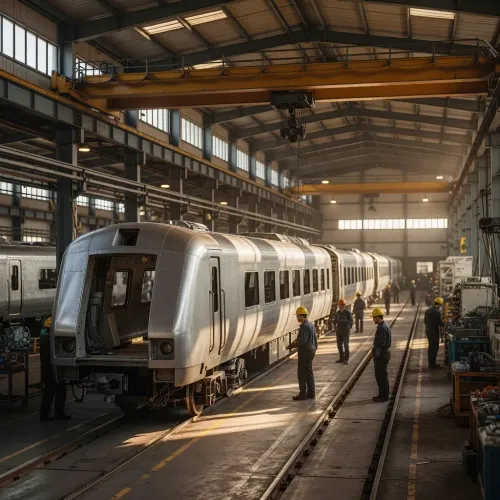
Rolling stock — which includes coaches, wagons, and locomotives — is a critical input for expanding and modernising Indian Railways, the world's fourth-largest rail network. Dedicated manufacturing units reduce dependence on imports and support the broader Make in India agenda in the transport sector.
Policy Backdrop
The push for domestic rolling stock production gained formal momentum after the Make in India initiative launched in 2014, which explicitly listed railway manufacturing as a priority sector. Subsequent railway budgets, including the 2015-16 announcements, called for new coach and locomotive facilities to be distributed across states, partly to serve regional development goals alongside national logistics needs.
South Central Railway, headquartered in Secunderabad, Telangana, is the zonal unit whose network would most directly interface with any manufacturing output from a facility in the state. The tagging of @SCRailwayIndia alongside @RailMinIndia in the minister's post underscores the multi-tier administrative interest in the project.
Stakeholders and Impact
The most immediate beneficiaries, as outlined by Kishan Reddy, are ancillary industries and employment seekers in Telangana. Large railway manufacturing units have historically seeded clusters of component suppliers — from steel fabricators to electronics vendors — creating a multiplier effect on local economies.
Earlier units established in states such as Bihar, Madhya Pradesh, and Maharashtra have followed a similar pattern: a central facility anchoring a wider vendor ecosystem. If the Telangana RMU follows this model, district-level industrial estates and skill-development programmes could see increased activity. The minister's framing — 'Telangana and beyond' — also hints at supply-chain linkages reaching neighbouring states.
What's Next
Key milestones to watch include the finalisation of tenders, land acquisition status, and the first production targets for the RMU. State government data on ancillary unit registrations and formal job-creation numbers will be the measurable indicators of whether the projected socio-economic impact materialises.
With Kishan Reddy holding both a central cabinet portfolio and the BJP's Telangana state presidency, the project sits at the intersection of national infrastructure policy and state-level political priorities — a dynamic that is likely to keep it in focus as Telangana heads into the next electoral cycle.
Point of View
Though specifics remain unconfirmed. This fits a well-established pattern in Indian railway policy where manufacturing units are distributed regionally to balance political optics with logistics rationale. The 'Telangana and beyond' framing is a deliberate signal that the project's supply-chain benefits are being pitched to a wider constituency ahead of future electoral contests.
NationPress
13 Oct 2026
Frequently Asked Questions
What is the RMU that G. Kishan Reddy is talking about?
The RMU refers to a Rolling Stock Manufacturing Unit planned for Telangana , intended to produce coaches, wagons, or locomotives for Indian Railways . The minister has described it as a facility that will also anchor an ancillary industrial ecosystem in the region.
How will the Telangana RMU create jobs?
Large railway manufacturing units typically generate direct employment on the shop floor and indirect employment through ancillary supplier clusters — including steel fabricators, electronics vendors, and logistics providers. Kishan Reddy cited this multiplier effect in his post.
What is South Central Railway's role in this project?
South Central Railway , headquartered in Secunderabad, Telangana , is the zonal railway whose network would most directly use rolling stock produced by the facility. It was tagged alongside the Ministry of Railways in the minister's post, indicating coordination at both central and zonal levels.
How does this project connect to Make in India?
The Make in India initiative launched in 2014 listed railway rolling stock manufacturing as a priority sector. The RMU in Telangana is consistent with that policy direction, which has seen new manufacturing facilities set up across multiple states to reduce import dependence.
What are the next steps for the Telangana RMU?
Key developments to watch include tender finalisation, land acquisition completion, and the announcement of first production milestones. State government data on ancillary unit registrations and employment numbers will indicate whether the projected economic impact is being realised.