Kishan Reddy highlights 160-acre rolling stock hub with 13 km rail link
Synopsis
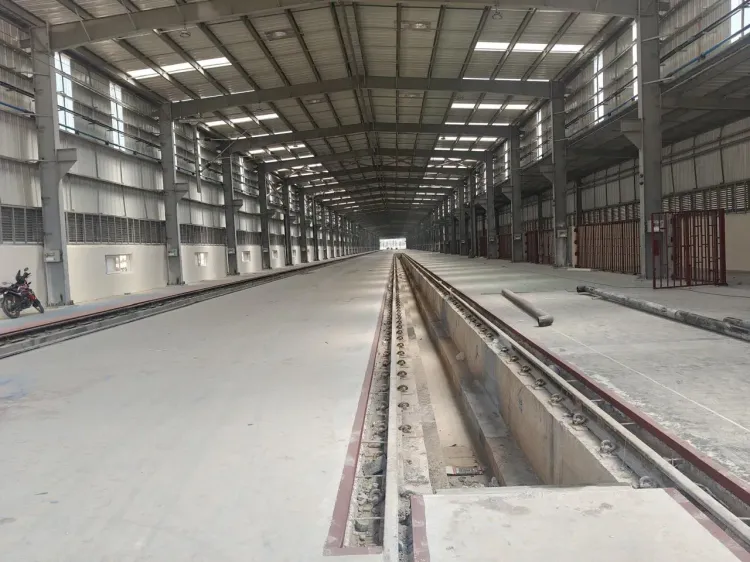
Union Coal and Mines Minister G. Kishan Reddy has spotlighted a 160-acre flexible rolling stock manufacturing facility equipped with a 13.15 km internal rail network, positioning it as a key node in India's drive for domestic railway manufacturing self-reliance under Make in India and Atmanirbhar Bharat.
Key Takeaways
Kishan Reddy highlighted a 160-acre rolling stock manufacturing facility on 29 May 2026 .
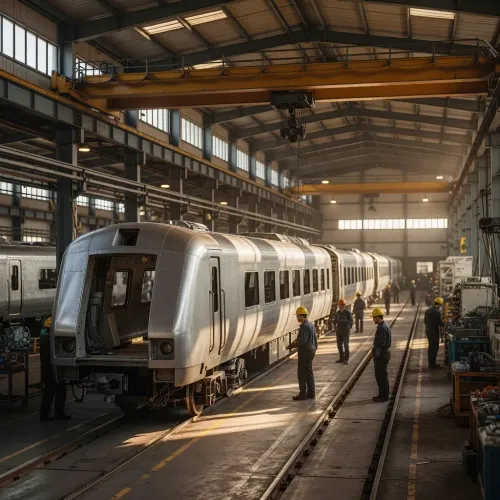
The facility is designed as a flexible hub for producing rolling stock, including next-generation intercity trains .
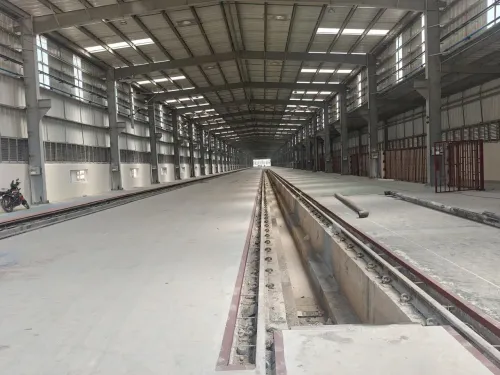
A 13.15 km internal railway track network has been developed to connect the plant with the main railway system.
The project aligns with Make in India (launched 2014) and Atmanirbhar Bharat goals for domestic railway manufacturing.
The facility is relevant to Indian Railways' fleet modernisation agenda, including the Vande Bharat Express programme.
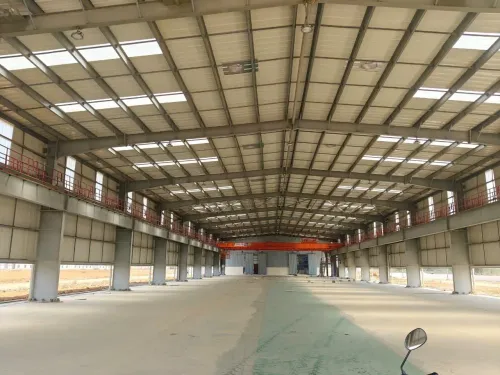
Union Coal and Mines Minister G. Kishan Reddy on Friday, 29 May 2026 drew attention to a large-scale rolling stock manufacturing facility being developed across 160 acres, describing it as a flexible hub for next-generation intercity trains and underlining its integration with the main railway network through a 13.15 km internal track network.
Context
Reddy, replying on X to his own handle @kishanreddybjp, highlighted that the facility is designed as a 'flexible manufacturing hub for rolling stock, including next-generation intercity trains.' The 13.15 km captive railway track network, he noted, has been developed specifically to integrate the production unit with the broader main railway system, enabling direct dispatch of finished rolling stock.
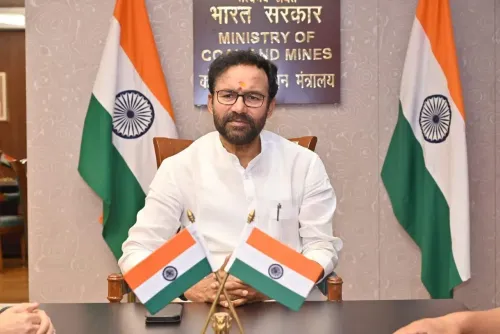
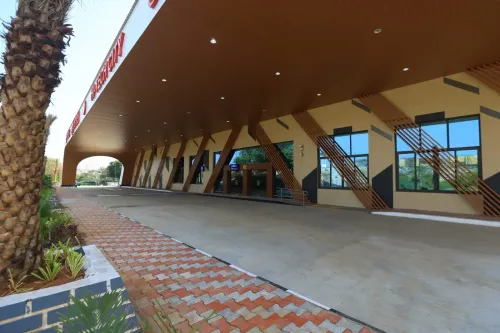
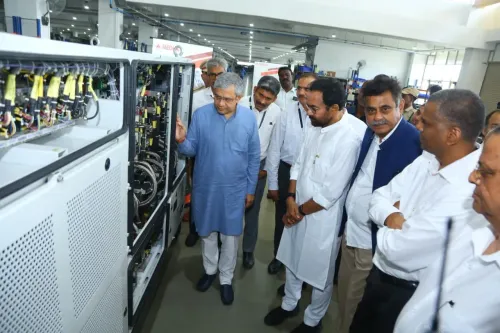
The post was accompanied by four images, indicating a ground-level update on the facility's construction or operational progress. No specific location for the facility was named in the post.
Policy Backdrop
The facility aligns with India's Make in India initiative, launched in 2014, which has prioritised domestic manufacturing of railway equipment to reduce import dependence and build indigenous capacity. Rolling stock production has been a central pillar of this push, with Indian Railways seeking to scale up capacity for coaches, locomotives, and high-speed train sets.
The Vande Bharat Express, introduced from 2019 onward, represents the most visible outcome of this policy direction — a domestically designed and manufactured next-generation intercity train. Expanding production infrastructure for such platforms is seen as essential to meeting Indian Railways' ambitious fleet modernisation targets. Captive rail connectivity within manufacturing plants has become a standard feature of new-generation facilities, reducing logistics costs and enabling seamless rollout.
Stakeholders and Impact
The primary beneficiaries of such a facility are Indian Railways and the broader ecosystem of railway component manufacturers, suppliers, and skilled workers. A 160-acre flexible manufacturing hub signals capacity for multiple train types, potentially supporting both intercity passenger services and freight rolling stock requirements.
Domestic rolling stock manufacturers stand to gain from a vertically integrated production environment, while Indian Railways benefits from reduced lead times and stronger supply-chain control. The project also feeds into the wider Atmanirbhar Bharat framework, which seeks self-reliance across strategic sectors including transport infrastructure.
What's Next
The rolling stock manufacturing sector is being watched closely in the context of India's ongoing dedicated freight corridor expansion and early-stage high-speed rail projects, both of which will require large volumes of specialised rolling stock. Facilities of this scale, if brought to full operational capacity, could meaningfully reduce the gap between Indian Railways' procurement targets and domestic supply.
Progress on commissioning timelines, the range of train types to be manufactured, and the facility's integration with national rail modernisation programmes will be key indicators of its long-term strategic impact.
Point of View
With railway projects serving as high-visibility proof points of governance delivery. The emphasis on a captive 13.15 km track network signals a shift toward fully integrated, export-capable production ecosystems rather than assembly-only facilities — a maturation of the Make in India railway playbook. Positioning a Coal and Mines Minister as a messenger for a railway manufacturing story also reflects the BJP's cross-portfolio communication strategy, where cabinet members amplify each other's domain wins. For Indian Railways, the subtext is clear: domestic rolling stock supply must scale fast enough to match an increasingly ambitious network expansion and modernisation agenda.
NationPress
14 Oct 2026
Frequently Asked Questions
What is the 160-acre rolling stock facility G. Kishan Reddy mentioned?
It is a large-scale manufacturing hub being developed to produce rolling stock, including next-generation intercity trains, with a 13.15 km internal railway track to connect it with the main rail network. Specific location details were not named in the post.
What is rolling stock manufacturing in India?
Rolling stock refers to railway vehicles such as coaches, locomotives, and train sets. India has been expanding domestic production capacity under Make in India to reduce reliance on imports and support Indian Railways' modernisation targets.
How does this facility relate to Vande Bharat trains?
The facility is described as a hub for next-generation intercity trains, a category that includes the Vande Bharat Express — India's domestically designed high-speed intercity train introduced from 2019. Scaling up such facilities supports wider Vande Bharat fleet expansion.
What is Atmanirbhar Bharat in the context of railways?
Atmanirbhar Bharat, meaning 'self-reliant India,' is a government initiative that encourages domestic production across strategic sectors. In railways, it translates to building indigenous capacity for rolling stock, signalling systems, and track infrastructure to cut import dependence.
Why does a rolling stock plant need its own railway track?
A captive internal railway track, such as the 13.15 km network at this facility, allows finished rolling stock to be tested and directly dispatched onto the main rail network, reducing logistics costs and enabling faster delivery of new trains to Indian Railways.