Kedarnath Yatra gets modern waste management push, 500 kg waste baled
Synopsis
As over 6.6 lakh pilgrims flood the Char Dham circuit, Rudraprayag's administration is deploying baling machines and a Material Recovery Facility at Kedarnath — processing 500 kg of waste and eyeing ₹15,000–₹20,000 in recycling revenue. It's a small but telling signal that India's most sacred high-altitude routes are finally getting a sustainability rethink.
Key Takeaways
Rudraprayag district administration has deployed modern waste management systems along the Kedarnath Dham Yatra route in May 2025 .
A baling machine operated by Kedarnath Nagar Panchayat compresses dry waste into compact bales for easier recycling and transport.
A Material Recovery Facility (MRF) has been set up at the Dham; around 500 kg of dry waste processed so far.
Recycled waste bales are expected to generate revenue of ₹15,000 to ₹20,000 .
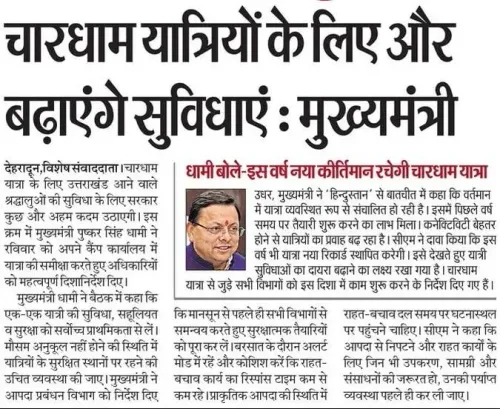
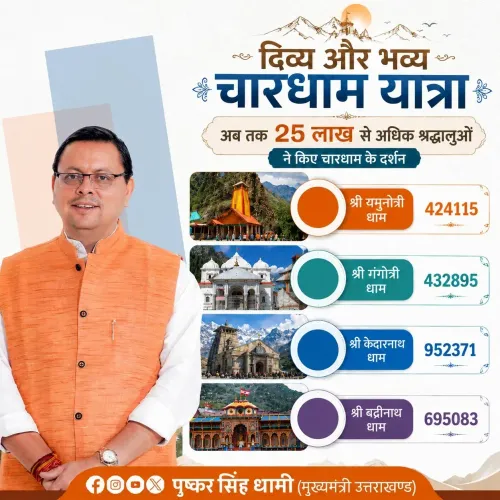
More than 6.6 lakh devotees have completed the Char Dham Yatra this season, highlighting the scale of the sanitation challenge.
District Magistrate Vishal Mishra has issued special directives urging pilgrims to avoid littering along the route.
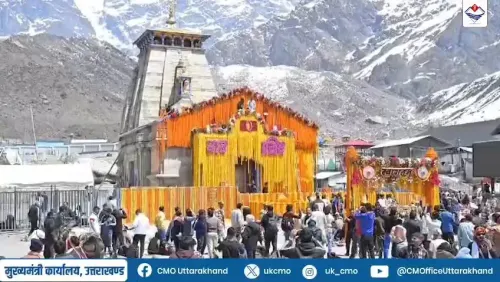
The Rudraprayag district administration has intensified eco-friendly and cleanliness measures along the Kedarnath Dham Yatra route by deploying modern waste management systems, as the Char Dham Yatra 2025 season records a significant surge in pilgrim footfall. District Magistrate Vishal Mishra has appealed to devotees to actively cooperate with sanitation efforts and avoid littering along the sacred route.
Modern Waste Systems on the Ground
The Kedarnath Nagar Panchayat has deployed a modern baling machine to manage dry waste efficiently along the pilgrimage route. The machine compresses collected waste into compact bales, making transportation and recycling significantly easier and more cost-effective.
According to Executive Officer Neeraj Kukreti, a Material Recovery Facility (MRF) centre has been established at the Dham, where dry waste is systematically collected, segregated, and processed for recycling. So far, approximately 500 kilograms of dry waste has been processed into bales, which is expected to generate revenue of ₹15,000 to ₹20,000.
Administration's Directives and Infrastructure Push
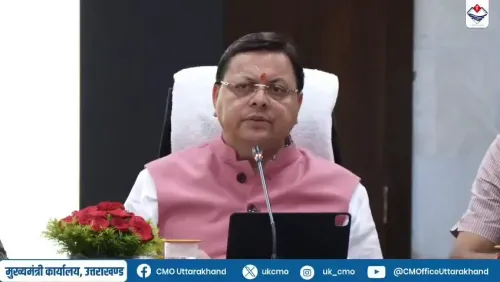
District Magistrate Vishal Mishra stated that special directives have been issued to maintain cleanliness in and around the shrine. Sanitation infrastructure is being strengthened across the entire trekking route leading up to the Kedarnath temple complex. Mishra urged devotees to support eco-friendly practices and refrain from littering at any point along the route.
Comprehensive arrangements covering solid waste management and sanitation have been put in place from the base of the trekking route to the temple complex itself, reflecting a broader push to keep the pilgrimage clean, green, and environmentally sustainable.
Record Pilgrim Turnout This Season
The cleanliness drive comes amid a notable surge in visitors. More than 6.6 lakh devotees have completed the Char Dham Yatra so far this season, according to available data. The high footfall underscores the urgency of robust waste management systems at high-altitude pilgrimage sites, which are ecologically fragile.
This is not the first time the Kedarnath corridor has faced environmental scrutiny. The site, located at an altitude of approximately 3,583 metres in the Garhwal Himalayas, has historically struggled with waste accumulation during peak pilgrimage months, making the current infrastructure push particularly significant.
About the Char Dham Circuit
The Char Dham of Uttarakhand is one of the most revered Hindu pilgrimage circuits in the Indian Himalayas, comprising four sacred shrines — Yamunotri, Gangotri, Kedarnath, and Badrinath. Kedarnath is dedicated to Lord Shiva, while Badrinath is consecrated to Lord Vishnu; Yamunotri and Gangotri are associated with the sacred rivers Yamuna and Ganga. The circuit was popularised by Adi Shankaracharya in the 8th century to revive Hindu spiritual traditions and continues to draw pilgrims from across the world.
With pilgrim numbers rising each season, the administration's focus on sustainable waste management signals a longer-term commitment to preserving the ecological integrity of one of India's most sacred high-altitude corridors.
Point of View
₹15,000–₹20,000 in projected revenue — but it signals a necessary directional shift. High-altitude Himalayan pilgrimage sites are among India's most ecologically vulnerable zones, and rising pilgrim numbers have historically outpaced sanitation infrastructure. The real test is whether the MRF model and baling systems can scale proportionally with footfall, or whether they remain showcase installations that struggle under peak-season pressure. The administration deserves credit for the intent; execution over the full season will be the actual measure.
NationPress
21 Sept 2026
Frequently Asked Questions
What waste management systems have been deployed along the Kedarnath Yatra route?
The Kedarnath Nagar Panchayat has deployed a modern baling machine that compresses dry waste into compact bales, and a Material Recovery Facility (MRF) centre has been set up at the Dham for systematic collection, segregation, and recycling of dry waste. Around 500 kg of waste has been processed so far.
How much revenue is the Kedarnath waste recycling initiative expected to generate?
The baled dry waste processed at the MRF centre is expected to generate revenue of ₹15,000 to ₹20,000, according to Executive Officer Neeraj Kukreti. The revenue comes from selling the compressed waste bales for recycling.
How many pilgrims have completed the Char Dham Yatra this season?
More than 6.6 lakh devotees have completed the Char Dham Yatra so far this season, according to available data. The high turnout has made robust waste management along the ecologically sensitive route even more critical.
Who is overseeing the cleanliness drive at Kedarnath?
Rudraprayag District Magistrate Vishal Mishra is overseeing the initiative and has issued special directives to maintain cleanliness in and around the shrine. Executive Officer Neeraj Kukreti is managing the on-ground MRF operations.
What is the Char Dham Yatra and why is it significant?
The Char Dham Yatra is one of the most revered Hindu pilgrimage circuits in the Indian Himalayas, covering four shrines — Yamunotri, Gangotri, Kedarnath, and Badrinath — in Uttarakhand's Garhwal region. Popularised by Adi Shankaracharya in the 8th century, it draws pilgrims from across India and the world each year.