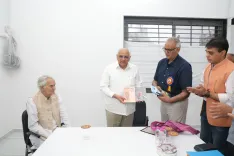
Kejriwal at Mandir Marg PS: 17 Youth Arrested, Releases Sought

Synopsis
AAP convenor Arvind Kejriwal arrived at Mandir Marg Police Station on 21 July 2026 to secure the release of 17 detained youth, with 6 more transferred to Parliament Street PS. Separately, 60 individuals were released from Ashok Vihar, signalling a wider crackdown across Delhi.
Key Takeaways
17 youth were found detained at Mandir Marg Police Station , six more than initially known to Kejriwal .
6 of the 17 were transferred to Parliament Street Police Station during Kejriwal's visit.
60 detainees were simultaneously released from Ashok Vihar in north-west Delhi.
Kejriwal committed to visiting Parliament Street PS after securing the release of the 11 at Mandir Marg.
Delhi Police had not issued a public statement on the detentions at the time of the post.
The episode follows a pattern of AAP leaders intervening directly at police stations during protest-related detentions, a practice dating to 2012 .
AAP convenor Arvind Kejriwal arrived at Mandir Marg Police Station in central Delhi on Tuesday, 21 July 2026, disclosing that 17 young people had been detained there — six more than initially reported — and announced he would personally seek their release before moving to Parliament Street Police Station to secure the remaining six.
What Kejriwal Said
In his post on X, Kejriwal stated: 'Reached Mandir Marg police station. Not 11, but 17 youth have been arrested here. Now 6 are being taken to Parliament PS. After getting 11 released, we will proceed to Parliament PS to get the balance 6 also released.' He added that 60 detainees had simultaneously been released from Ashok Vihar in north-west Delhi, suggesting a wider crackdown across multiple locations in the capital.
The post, written in English, was timed at 3:13 PM IST and appeared to be filed from inside or just outside the police station, indicating Kejriwal was conducting the intervention in real time.
Context
Mandir Marg Police Station sits in a zone of central Delhi that is routinely placed on high alert whenever protests converge near Parliament House. Delhi Police, which reports to the Ministry of Home Affairs rather than the Delhi government, manages security in this corridor and has the authority to detain demonstrators under preventive provisions.
The reference to Parliament Street Police Station — a second facility in the same belt — points to a dispersal of detainees across stations, a practice that can complicate coordinated legal intervention. Kejriwal's on-ground presence was aimed at cutting through that procedural complexity.
Policy Backdrop
Since AAP's founding in 2012, its leaders have repeatedly visited Delhi police stations to negotiate the release of detained supporters and activists, framing such visits as a check on executive overreach. The party has long argued that Delhi Police's dual accountability — to the Union government rather than the elected Delhi administration — creates structural friction during politically sensitive episodes.
Large-scale detentions of protesters near Parliament are not uncommon when the legislature is in session. Opposition parties typically respond with a mix of direct station visits, habeas corpus petitions, and public statements designed to put pressure on the administration.
Stakeholders and Impact
The most immediate stakeholders are the 17 youth held at Mandir Marg and the 6 transferred to Parliament Street PS, whose legal status as of Kejriwal's post remained unresolved. The 60 individuals released from Ashok Vihar represent a partial de-escalation, but the simultaneous transfers suggest authorities were still managing the situation actively.
Delhi Police had not issued a public statement on the detentions at the time of the post. Any formal charges, if filed, would determine whether the matter moves into the courts. Families and legal representatives of the detained individuals are the other key stakeholders watching the situation closely.
What's Next
Kejriwal indicated he would move to Parliament Street Police Station after securing the release of the 11 at Mandir Marg, suggesting his intervention was expected to continue into the afternoon. Court petitions and an official response from Delhi Police or the Ministry of Home Affairs are the next pressure points to watch. The episode is likely to feed into a broader political argument about protest rights and the governance of Delhi Police — a fault line that has defined AAP-Centre relations for over a decade.
Point of View
The optics of youth being held near its precincts are politically potent for the opposition. How Delhi Police responds — or chooses not to — will shape whether this remains a one-day story or escalates into a sustained confrontation.
NationPress
21 Jul 2026
Frequently Asked Questions
Why were youth arrested at Mandir Marg Police Station in Delhi?
The specific cause of the detentions has not been officially confirmed. Kejriwal's post indicates a large-scale police action across multiple Delhi locations on 21 July 2026, with arrests at Mandir Marg, Parliament Street, and Ashok Vihar.
How many people were arrested and released in Delhi on 21 July 2026?
According to Kejriwal's post, 17 youth were held at Mandir Marg PS, 6 were transferred to Parliament Street PS, and 60 were released from Ashok Vihar — indicating detentions across at least three locations.
Why does Kejriwal visit police stations personally during protests?
AAP leaders have intervened directly at Delhi police stations since the party's founding in 2012, framing such visits as a check on executive overreach given that Delhi Police reports to the Union government, not the elected Delhi administration.
What is Mandir Marg Police Station known for?
Mandir Marg Police Station is a central Delhi facility located near Parliament House. It frequently handles detentions related to demonstrations in the capital's protest-prone zones.
What happens next after Kejriwal's police station visit?
Kejriwal said he would proceed to Parliament Street Police Station to seek the release of the remaining 6 detainees. Court petitions and an official Delhi Police response are the key developments to watch.