CM Bhupendra Patel Visits Aluva-Sadra Bridge on Sabarmati
Synopsis
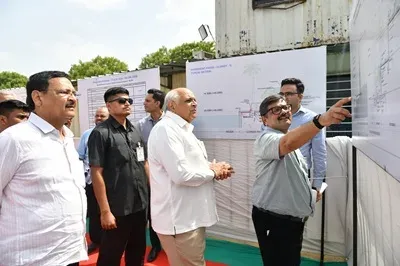
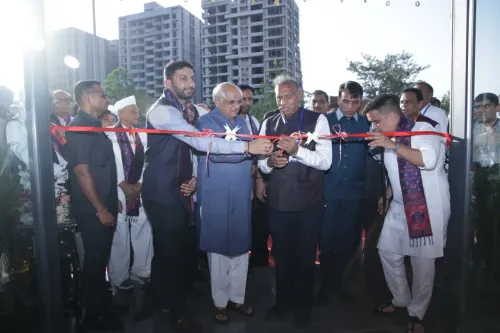
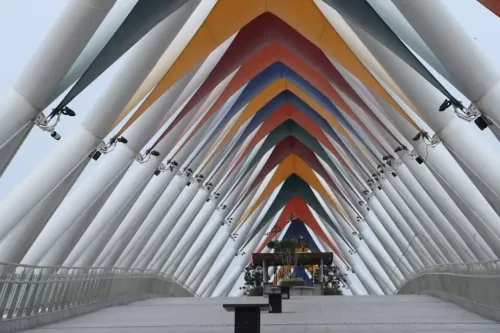
Chief Minister Bhupendra Patel on 21 July 2026 visited the newly inaugurated Aluva-Sadra Bridge over the Sabarmati River, dedicated to the public by Union Minister Amit Shah. The 400-metre, ₹89-crore structure cuts travel between Gandhinagar and Prantij by 20 km and boosts access to the Jakshini Mataji temple.
Key Takeaways
The Aluva-Sadra Bridge over the Sabarmati River was inaugurated on 21 July 2026 by Union Minister Amit Shah .
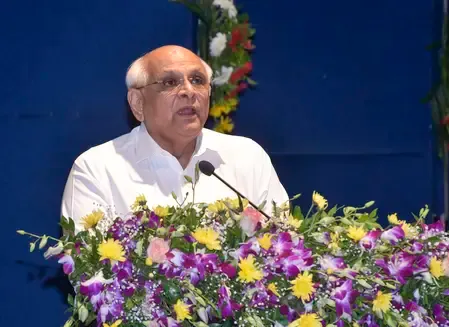
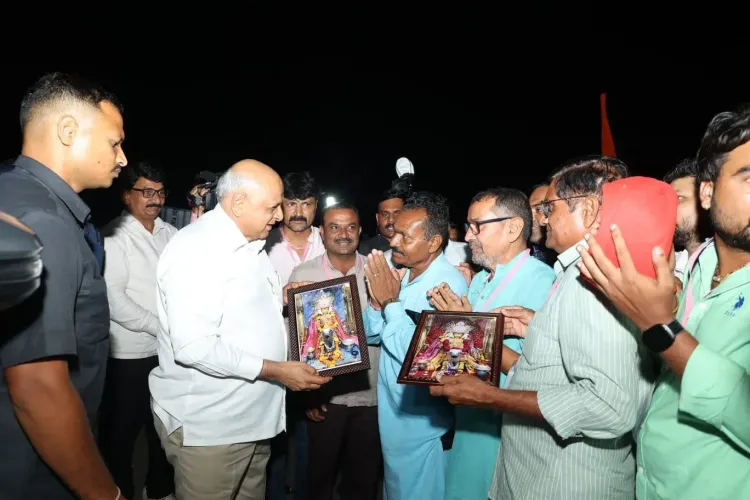
CM Bhupendra Patel visited the bridge on the day of its inauguration.
The bridge is approximately 400 metres long and was built at an estimated cost of ₹89 crore .
It connects the Pethapur-Mahudi Road to the Chiloda-Himatnagar National Highway , reducing travel distance by 20 km for commuters from Gandhinagar and Mansa towards Prantij.
The project is expected to benefit local residents, students, and devotees, and boost tourism around the Jakshini Mataji temple .
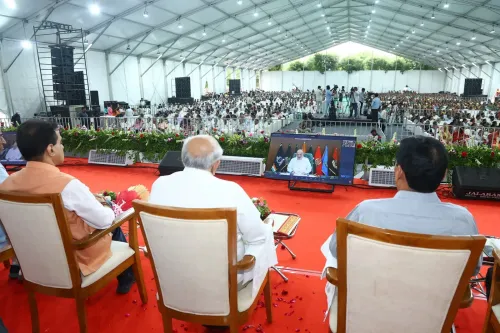
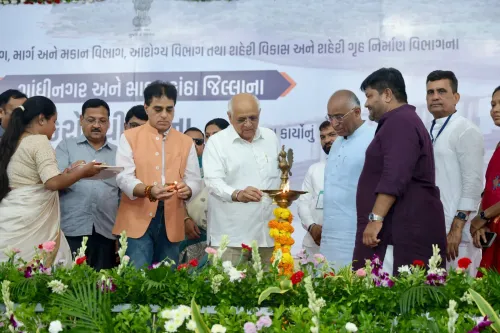
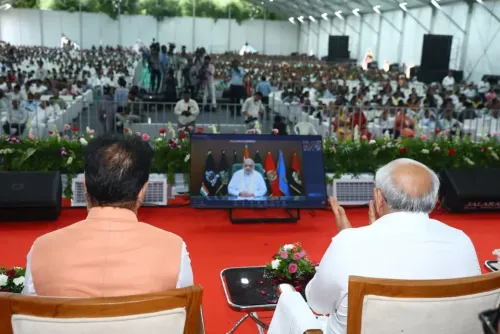
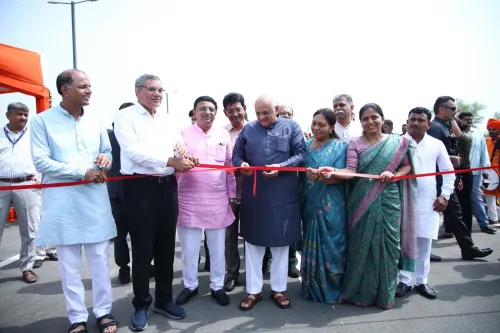
Chief Minister Bhupendra Patel on Tuesday, 21 July 2026 visited the newly inaugurated Aluva-Sadra Bridge over the Sabarmati River, which was formally dedicated to the public earlier in the day by Union Home and Cooperation Minister Amit Shah. The 400-metre bridge, built at an estimated cost of approximately ₹89 crore, connects the Pethapur-Mahudi Road to the Chiloda-Himatnagar National Highway.
Context
The Chief Minister's Office of Gujarat shared details of the inauguration in a Gujarati-language post, stating that the bridge will reduce travel distance by 20 kilometres for commuters travelling from Gandhinagar and Mansa towards Prantij. The post noted that the project will benefit sthaaniako, vidyaarthiyo tatha shraddhaaluao (local residents, students, and devotees), as well as boost tourism around the Jakshini Mataji temple precinct in the surrounding area.
The bridge links two key road corridors in north-central Gujarat, providing a direct crossing over the Sabarmati that previously required a longer detour through existing routes. The inauguration was presided over by Amit Shah, who is a senior BJP leader with deep roots in Gujarat and frequently participates in major state development events.
Policy Backdrop
Gujarat has pursued a sustained programme of road and bridge construction along the Sabarmati and its tributaries since the early 2010s, aimed at shortening rural-urban travel times and integrating district headquarters with the state capital. Such projects are typically funded through a combination of state budgetary allocations and central schemes such as Bharatmala and PM Gati Shakti, reflecting close coordination between the state government and Union ministries.
The presence of the Union Home Minister at the ribbon-cutting signals the continued political alignment between the Gujarat government and the Union government on infrastructure delivery. Connectivity projects linking pilgrimage sites with highway networks have become a recurring feature of the state's development agenda, combining mobility goals with religious tourism promotion.
Stakeholders and Impact
The primary beneficiaries identified in the official communication are residents of villages along the Pethapur-Mahudi corridor, students commuting to educational institutions in Gandhinagar and Himatnagar, and devotees visiting the Jakshini Mataji temple. A reduction of 20 km in travel distance translates to meaningful savings in fuel costs and journey time for daily commuters on this stretch.
The bridge is also expected to ease freight movement between the Chiloda-Himatnagar National Highway and interior areas of Sabarkantha district, potentially supporting agricultural produce transport and small-scale commerce in the region. Tourism stakeholders around the Jakshini Mataji shrine stand to benefit from improved accessibility, particularly during festival seasons that draw large numbers of pilgrims.
What's Next
Traffic volume and travel-time data on the new bridge after full commissioning will be closely watched to validate the projected 20-km distance saving. Any measurable increase in footfall at the Jakshini Mataji temple precinct following improved road access will also be an indicator of the project's tourism impact.
Infrastructure observers will track whether additional bridge or highway tenders are floated in Sabarkantha and neighbouring districts under ongoing state and central road programmes, as the Gujarat government has signalled continued investment in rural connectivity linking pilgrimage and heritage corridors to the national highway network.
Point of View
Ground-level engagement with infrastructure delivery. Longer term, the bridge's success in reducing travel times will test whether targeted rural connectivity investments can meaningfully shift commuter behaviour in semi-urban Gujarat.
NationPress
20 Oct 2026
Frequently Asked Questions
What is the Aluva-Sadra Bridge in Gujarat?
The Aluva-Sadra Bridge is a newly inaugurated 400-metre road bridge over the Sabarmati River in Gujarat, connecting the Pethapur-Mahudi Road to the Chiloda-Himatnagar National Highway . It was built at an estimated cost of ₹89 crore and was inaugurated on 21 July 2026 .
Who inaugurated the Aluva-Sadra Bridge?
Union Home and Cooperation Minister Amit Shah formally dedicated the Aluva-Sadra Bridge to the public on 21 July 2026 . Gujarat Chief Minister Bhupendra Patel visited the bridge on the same day.
How much distance does the new Sabarmati bridge save?
According to the Chief Minister's Office of Gujarat, the bridge reduces travel distance by 20 kilometres for commuters travelling from Gandhinagar and Mansa towards Prantij .
What is the cost of the Aluva-Sadra Bridge Gujarat?
The Aluva-Sadra Bridge was constructed at an approximate cost of ₹89 crore , as stated by the Chief Minister's Office of Gujarat at the time of inauguration.
Which temple benefits from the new bridge near Sabarmati?
The Jakshini Mataji temple and its surrounding area are expected to see a boost in religious tourism due to improved road access provided by the new Aluva-Sadra Bridge on the Sabarmati.