Kejriwal Blocked From Meeting PM Over E20 Fuel Mandate
Synopsis
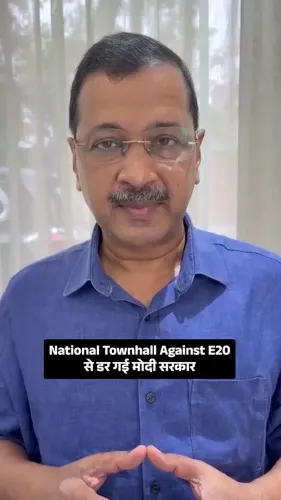
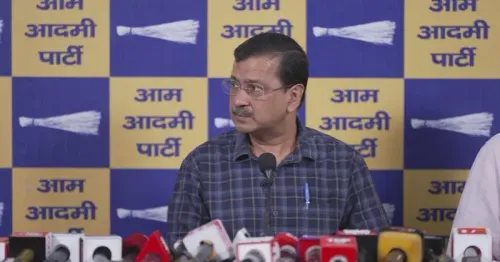
AAP convenor Arvind Kejriwal was blocked by police on August 4, 2026, while attempting to deliver over 2 lakh public petitions against India's E20 ethanol-blending mandate to PM Modi. He warned of a major national agitation if the policy is not withdrawn.
Key Takeaways
Arvind Kejriwal attempted to deliver over 2 lakh public petitions against the E20 ethanol-blending mandate to PM Modi on August 4, 2026 .
Police blocked the delegation from reaching the Prime Minister's residence in New Delhi .
All petitions were subsequently sent to PM Modi through official channels.
Kejriwal challenged Modi to show the same firmness toward US President Trump that was used against Indian protesters, implying foreign pressure behind the E20 policy.
He warned of a major national agitation if the E20 mandate is not withdrawn.
The E20 policy mandates 20% ethanol blending in petrol and has drawn criticism over engine compatibility and fuel efficiency concerns.
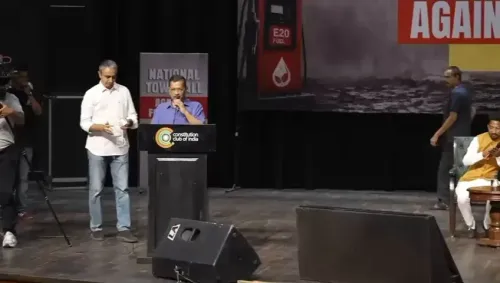
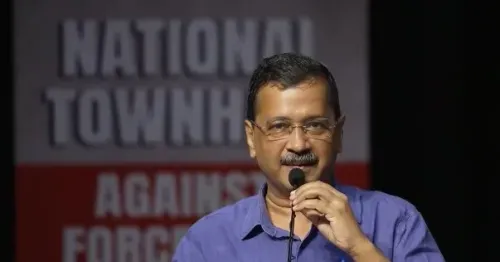
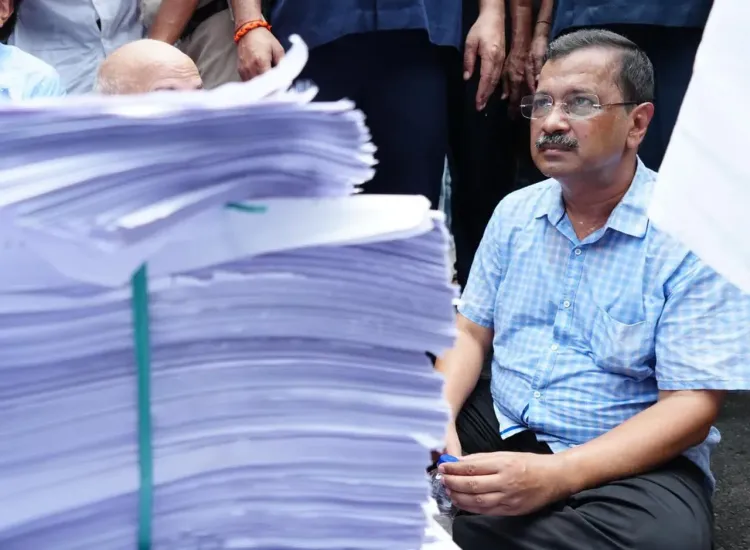
Two lakh citizen petitions against India's E20 ethanol-blending mandate — and a wall of police between them and the Prime Minister's door. AAP convenor Arvind Kejriwal on Tuesday, August 4, 2026, attempted to march to Prime Minister Narendra Modi's residence in New Delhi with the petitions in hand, only to be stopped by security forces before reaching the gates.
Petitions Delivered, March Blocked
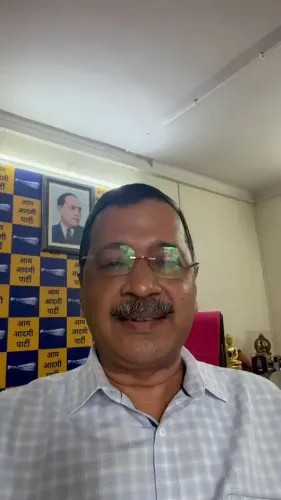
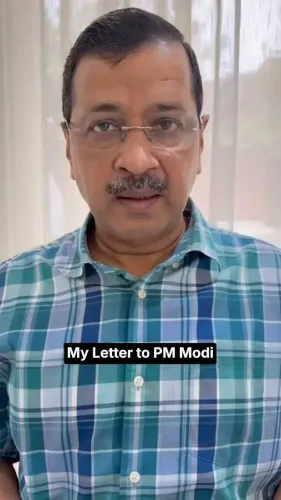
Kejriwal confirmed that all 2 lakh-plus petitions were subsequently dispatched to the Prime Minister through official channels after the march was halted. In his post, he said: 'Aaj humne E20 ke virodh mein janta ki 2 lakh se adhik petitions lekar Modi ji se milne ki koshish ki, lekin Modi ji ki police ne hamein rok diya' — 'Today we tried to meet Modi ji carrying more than 2 lakh public petitions against E20, but Modi ji's police stopped us.'
The confrontation marks a sharp escalation in AAP's campaign against the government's E20 fuel policy — the mandate requiring petrol to be blended with 20% ethanol — which the party argues is being imposed on citizens without adequate public consultation or infrastructure readiness.
A Direct Challenge — and a Trump Jab
Kejriwal's message carried a pointed double edge. He challenged the Prime Minister to direct the same firmness toward US President Donald Trump that was being shown to Indian citizens on the street: 'Yeh himmat Trump ko dikhayiye' — 'Show this courage to Trump.' The remark frames E20 as a policy with foreign-pressure dimensions, implying that American ethanol interests may be driving the mandate — a charge the government has not formally responded to.
He closed with a warning: if the government does not relent, 'desh phir ek bada andolan karne ke liye majboor ho jayega' — 'the country will be forced to launch another major agitation.'
What the E20 Row Is Really About
The E20 mandate — blending petrol with 20% ethanol — has been a centrepiece of the central government's energy transition and farm-income policy, aimed at reducing crude imports and boosting sugarcane and maize farmers. Critics, including vehicle owners, auto-industry voices, and now AAP, argue the rollout is premature: older engines face compatibility issues, fuel efficiency drops, and retail prices have not adjusted proportionately. The petition drive signals that opposition to the policy has moved beyond political circles into a mass-mobilisation phase.
With 2 lakh petitions already in the Prime Minister's inbox and the threat of a street agitation on the table, the Modi government faces a test of whether it will engage the opposition's case on merits — or let the standoff harden into a larger political battle.
Point of View
Pressuring the BJP on nationalist turf. If the government does not engage, AAP gains a ready-made agitation plank; if it responds, it legitimises the opposition's framing. Either way, the petition count of 2 lakh gives the campaign a concrete, hard-to-dismiss scale.
NationPress
4 Aug 2026
Frequently Asked Questions
What is the E20 fuel policy that Kejriwal is protesting against?
E20 refers to petrol blended with 20% ethanol. The central government has mandated this blend as part of India's energy transition strategy to cut crude oil imports and support farmers growing sugarcane and maize. Critics argue it causes engine compatibility issues and reduces fuel efficiency, especially for older vehicles.
Why was Kejriwal stopped from meeting PM Modi on August 4, 2026?
Security forces deployed at the Prime Minister's residence in New Delhi prevented Kejriwal and his delegation from approaching, blocking their march while they were carrying over 2 lakh public petitions against the E20 mandate.
What happened to the 2 lakh petitions after the march was blocked?
Kejriwal stated that all petitions were sent to Prime Minister Modi through official channels after the march was stopped by police.
What did Kejriwal mean by telling Modi to show courage to Trump?
Kejriwal implied that the E20 policy may be linked to American pressure — possibly related to US ethanol exports — and challenged the Prime Minister to resist foreign influence rather than impose the mandate on Indian citizens.
What agitation is Kejriwal threatening over E20?
Kejriwal warned that if the government continues to push the E20 mandate, the country will be forced into a large-scale public agitation, signalling AAP's intent to escalate the campaign beyond petitions to street protests.