Kejriwal Calls for Reversal of Ethanol Blending Policy
Synopsis
AAP convenor Arvind Kejriwal on 9 August 2026 warned that the government's ethanol blending programme is driving buyers away from petrol cars and called for an immediate policy reversal to protect the economy.
Key Takeaways
Arvind Kejriwal posted on 9 August 2026 urging the government to reverse its ethanol blending policy.
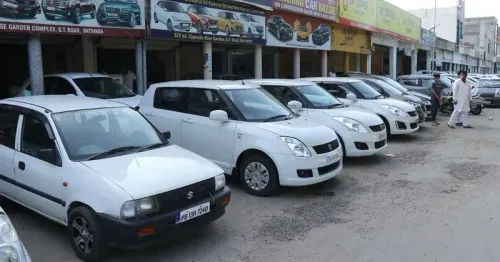
He claimed people have stopped buying petrol cars, attributing the trend to the ethanol policy.
The Ethanol Blending Programme aims to blend up to 20 percent ethanol with petrol under the National Policy on Biofuels 2018 .
Higher blending ratios require compatible engines, raising consumer concerns about standard petrol vehicles.
Key stakeholders include auto manufacturers and petrol vehicle buyers whose confidence in the segment is at stake.
The next quarterly auto sales data and any petroleum ministry revision to blending targets will be critical indicators.
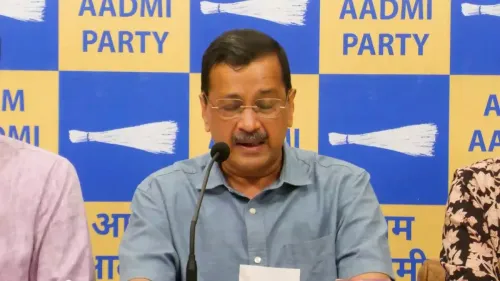
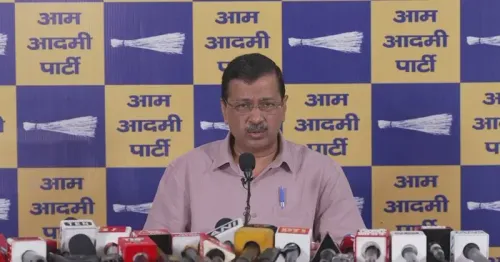
A sharp warning from a former chief minister landed in the public domain on Sunday, 9 August 2026 — AAP convenor Arvind Kejriwal declared that people have stopped buying petrol cars and urged the government to reverse its ethanol blending policy before it inflicts serious damage on the economy.
Kejriwal posted on X: 'People have stopped buying petrol cars. Govt shud reverse its ethanol policy. Else it will hurt economy v badly.' The claim is pointed — and the policy it targets has been years in the making.
What the Ethanol Blending Programme actually does
The Ethanol Blending Programme (EBP) is a Government of India initiative that mixes ethanol — largely derived from sugarcane — with petrol, with the dual goal of cutting expensive crude oil imports and providing a steady revenue stream for farmers. The National Policy on Biofuels 2018 set an ambitious roadmap, with blending targets progressively rising toward 20 percent.
The rationale was sound on paper: reduce the import bill, green the fuel mix, support the agricultural sector. But a policy designed to serve three masters simultaneously was always going to generate friction somewhere.
Why petrol car buyers are in the crosshairs
Higher ethanol blending ratios require engines specifically engineered to handle the fuel mix. Standard petrol vehicles may face compatibility concerns, and consumer anxiety around long-term engine health is a real market variable. Auto manufacturers and petrol vehicle buyers sit at the sharp end of this policy tension.
Kejriwal's post does not cite sales figures, and the exact extent of any slowdown in petrol car purchases cannot be independently verified from available data. But the political signal is clear: he is framing the blending programme as a consumer-confidence problem, not merely a technical one.
The economic argument Kejriwal is making
The logic runs like this — if buyers lose confidence in petrol vehicles, demand contracts, auto sector revenues fall, and a manufacturing segment that employs millions begins to feel the squeeze. Whether that chain reaction is already in motion is precisely what the next quarterly auto sales data will reveal. A revision in blending targets by the petroleum ministry would be the clearest sign that the government is listening.
For now, Kejriwal has planted a flag: the ethanol policy, in his reading, has crossed from climate-conscious innovation into economic liability. The government will need to answer that charge with numbers, not just intent.
Point of View
A framing that shifts the debate from supply-side import savings to consumer behaviour and sectoral health. It is a politically astute move: the auto sector is a bellwether industry, and any sustained drop in petrol vehicle sales gives the opposition a concrete, kitchen-table grievance to run with. The government's challenge is that the blending programme serves multiple constituencies — oil importers, sugarcane farmers, and climate commitments — making a clean reversal politically costly even if the consumer data warrants it. Watch whether this post draws a formal government response or prompts auto industry associations to break their silence.
NationPress
9 Aug 2026
Frequently Asked Questions
What is India's ethanol blending policy?
India's Ethanol Blending Programme mixes ethanol — mainly from sugarcane — with petrol to reduce crude oil imports and support farmers, with the National Policy on Biofuels 2018 targeting up to 20 percent blending.
Why does Kejriwal want the ethanol policy reversed?
Kejriwal argues that the policy has deterred buyers from purchasing petrol cars and, if left unchanged, will cause serious damage to the economy.
Does higher ethanol blending affect petrol car engines?
Higher ethanol blending ratios require engines specifically designed to handle the fuel mix; standard petrol vehicles may face compatibility concerns, which can affect consumer confidence.
Has petrol car demand actually fallen in India?
Kejriwal's claim that buyers have stopped purchasing petrol cars has not been independently verified; the next quarterly auto sales data will offer a clearer picture.
What could the government do in response to this criticism?
The petroleum ministry could revise or pause blending targets, issue compatibility guidelines for existing vehicles, or release data to counter the claim — all options analysts will be watching.