Kejriwal Demands Petrol Price Cut to Under ₹82
Synopsis
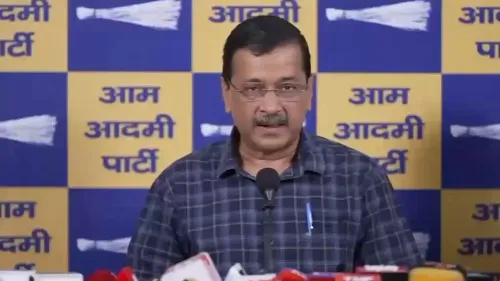
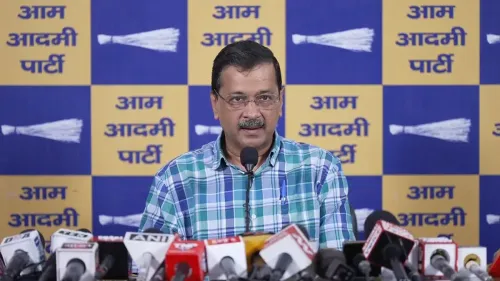
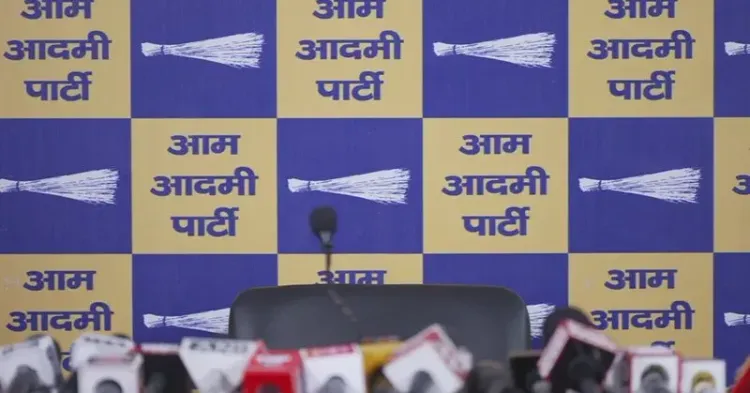
AAP convenor Arvind Kejriwal held a live press conference on 9 July 2026 demanding the Government of India reduce petrol prices to under ₹82 per litre, citing the heavy tax burden on commuters and households as the central driver of high pump prices.
Key Takeaways
Arvind Kejriwal demanded petrol prices be reduced to under ₹82 per litre at a live press conference on 9 July 2026 .
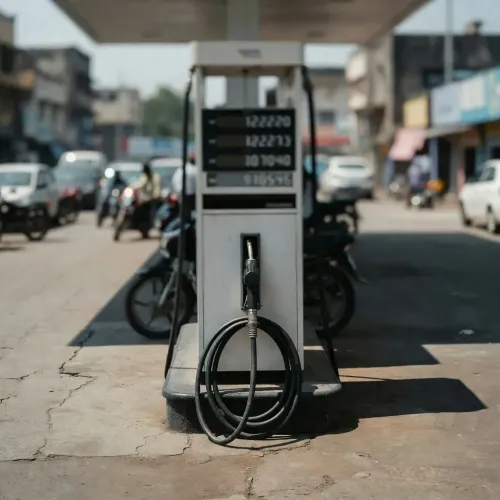
Central excise duty and state VAT together account for roughly half of India's retail petrol price.
The last major central excise cut was in May 2022 : ₹8 per litre on petrol and ₹6 per litre on diesel.
AAP-led Delhi government had cut VAT on petrol and diesel in November 2021 .
The demand primarily targets the central government's share of fuel taxation.
No response from the Ministry of Petroleum and Natural Gas had been issued at the time of publication.
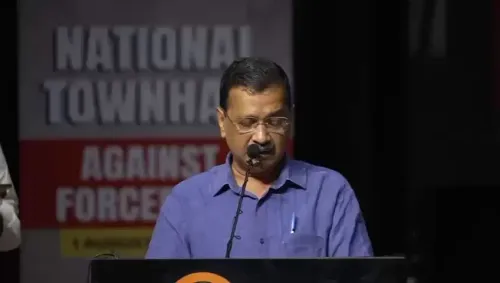
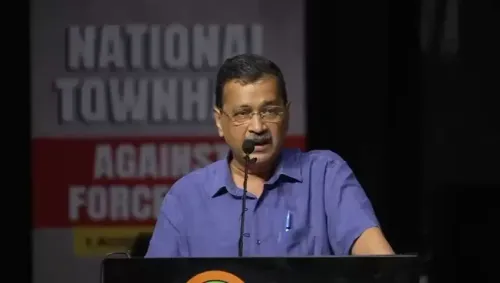
AAP convenor Arvind Kejriwal held an important press conference on Thursday, 9 July 2026, demanding that the Government of India reduce petrol prices to under ₹82 per litre, calling the current retail fuel burden on ordinary citizens unacceptable.
Context
Kejriwal's press conference, streamed live on X, framed the fuel-price demand as a cost-of-living issue affecting commuters, transport operators, and households across the country. The Aam Aadmi Party, which has consistently positioned itself as a champion of economic relief for the urban middle class, has previously used fuel taxation as a political pressure point against the central government.
In his address, Kejriwal called on the government to bring petrol prices to below ₹82 per litre, arguing that high central excise duties are the primary driver of elevated pump prices rather than global crude oil movements alone.
Policy Backdrop
Taxes — central excise duty and state-level VAT — account for roughly half of the retail price of petrol in India. The Government of India last made a significant excise cut in May 2022, reducing duty on petrol by ₹8 per litre and on diesel by ₹6 per litre in response to surging global crude prices at the time.
The Delhi government, under AAP leadership, had itself cut VAT on petrol and diesel in November 2021, a move that was subsequently replicated by several other state governments. Kejriwal's current demand targets the central government's share of the tax burden, which remains the larger of the two components.
Indian opposition leaders have routinely pressed for fuel duty reductions when retail prices rise, given the country's high import dependence and the structural weight of taxes in the final pump price.
Stakeholders and Impact
A reduction in petrol prices to under ₹82 per litre would directly benefit commuters relying on personal vehicles, auto-rickshaw and taxi operators whose fares are tied to fuel costs, and small businesses dependent on road logistics. Broader household budgets would also see relief, as elevated fuel prices feed into the cost of goods and services through transport inflation.
For the central government, any excise reduction carries fiscal implications, potentially narrowing revenue headroom at a time when capital expenditure commitments remain high. The Ministry of Petroleum and Natural Gas has not responded publicly to the demand as of the time of this report.
What's Next
Political pressure from opposition parties, including AAP, is expected to intensify ahead of any Union Budget session, which is typically when adjustments to excise duties are announced or signalled. Whether the central government responds to Kejriwal's demand will depend on global crude oil trends, the fiscal balance, and the broader political calculus ahead of upcoming state elections.
Analysts will watch for any statement from the Ministry of Petroleum and Natural Gas or a formal AAP campaign around fuel prices that could amplify the issue in the public domain.
Frequently Asked Questions
What did Arvind Kejriwal demand at his press conference on 9 July 2026?
Kejriwal demanded that the Government of India reduce petrol prices to under ₹82 per litre, arguing that high central excise duties are making fuel unaffordable for ordinary citizens.
Why are petrol prices so high in India?
Taxes — central excise duty and state VAT — account for roughly half of the retail petrol price in India, meaning even when global crude oil prices fall, the pump price remains elevated due to the tax component.
When did the central government last cut excise duty on petrol?
The central government last reduced excise duty on petrol in May 2022, cutting it by ₹8 per litre as global crude prices were surging.
Has AAP previously taken action on fuel prices?
Yes. The AAP-led Delhi government cut VAT on petrol and diesel in November 2021, a move that several other state governments subsequently followed.
What happens next after Kejriwal's petrol price demand?
The Ministry of Petroleum and Natural Gas would need to respond formally. Any excise duty adjustment is most likely to be signalled during a Union Budget session, and analysts will watch for a formal AAP campaign to sustain pressure on the central government.