Kejriwal demands PM Modi answer on Ram Mandir irregularities
Synopsis
AAP convenor Arvind Kejriwal on 6 July 2026 publicly asked Prime Minister Narendra Modi why individuals allegedly involved in theft, a land scam, and commission-taking during Ram Mandir construction in Ayodhya are being shielded, and demanded to know when they will face strict punishment.
Key Takeaways
AAP convenor Arvind Kejriwal posted on X on 6 July 2026 directly addressing PM Narendra Modi .
Kejriwal alleged theft, a land scam, and commission-taking in the construction of the Shri Ram Mandir, Ayodhya .
He asked why the accused are being 'protected' and demanded to know when 'strict punishment' will be given.
The Shri Ram Janmabhoomi Teerth Kshetra Trust oversees the temple, which was inaugurated on 22 January 2024 .
The specific allegations in the post are unverified and no official inquiry has been confirmed as of the time of posting.
The post is part of a broader pattern of AAP raising governance and transparency questions on major national projects.
AAP convenor Arvind Kejriwal on Monday, 6 July 2026, publicly directed a pointed question at Prime Minister Narendra Modi, asking why those allegedly responsible for theft, land scams, and commission-taking in the construction of the Shri Ram Mandir in Ayodhya are being shielded, and when they will be punished.
Context
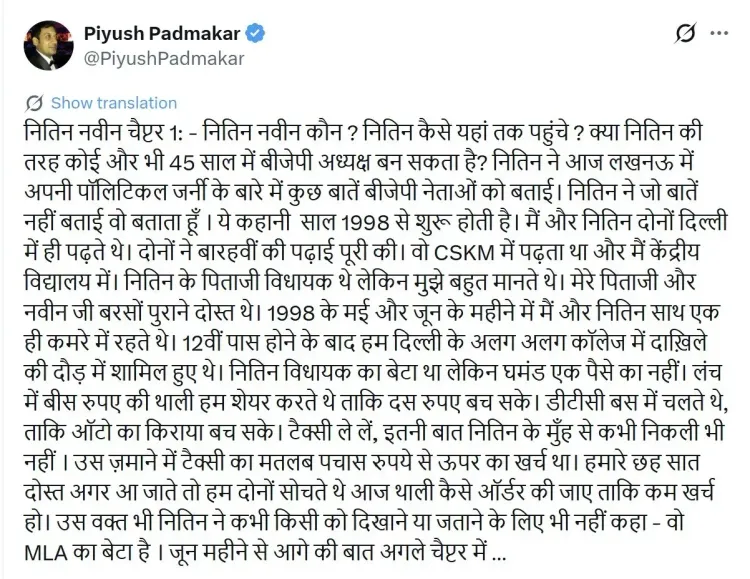
Kejriwal's post, written in Hindi, opens by acknowledging information shared about an individual named Nitin before pivoting to a direct address to the Prime Minister. Translated, the post reads: 'Aapne Nitin ji ke baare mein jaankari di, iske liye shukriya' ('Thank you for the information you shared about Nitin ji'). He then states that 'the entire country wants to know' why those who committed theft, a land scam, and took commissions in the Ram Mandir's construction are being protected, and demands to know when strict punishment will be handed out.
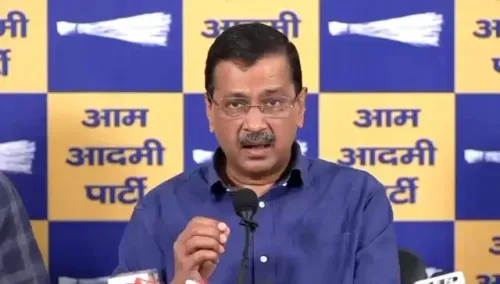
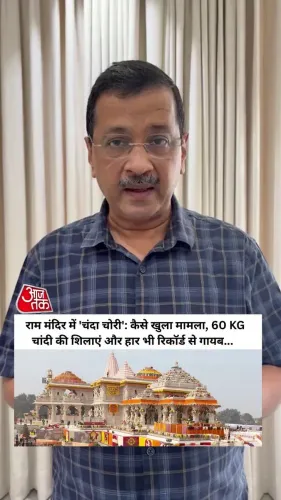
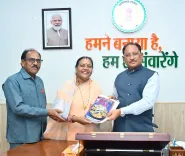
The post was accompanied by two images, the contents of which form part of the broader communication but whose specifics are not independently verified by NationPress at this time.
Policy Backdrop
The Shri Ram Mandir in Ayodhya, Uttar Pradesh, was built following the Supreme Court of India's November 2019 verdict that paved the way for temple construction on the disputed site. The Shri Ram Janmabhoomi Teerth Kshetra Trust was constituted by the central government to oversee both the construction and ongoing management of the temple complex.
Prime Minister Narendra Modi inaugurated the Ram Mandir on 22 January 2024, in a ceremony that drew national and international attention. Given the temple's cultural and political significance, any allegation of financial irregularity in its construction carries considerable public weight.
Stakeholders and Impact
The allegations, as raised by Kejriwal, concern multiple categories of wrongdoing: theft within the temple premises, irregularities in land acquisition, and commission-taking during construction. These claims directly implicate the oversight mechanisms of the Shri Ram Janmabhoomi Teerth Kshetra Trust and, by extension, the central government's supervisory role.
For devotees and taxpayers who regard the Ram Mandir as a matter of deep faith and public investment, questions of accountability carry both emotional and civic resonance. Opposition parties, including AAP, have increasingly framed scrutiny of temple-related expenditure as a legitimate governance issue rather than a purely religious one.
Kejriwal's intervention fits a well-established pattern in Indian politics where the Aam Aadmi Party and other opposition formations use social media to demand transparency on high-profile national projects, forcing a public response or at least a public debate on accountability.
What's Next
The post is likely to intensify calls for an independent audit or parliamentary discussion on the financial management of the Ram Mandir project. Any official inquiry by central agencies into construction contracts or land transactions related to the temple would be closely watched by both political observers and civil society.
Whether the BJP-led central government or the Trust responds formally to these allegations will determine the political trajectory of this issue. With Ayodhya remaining a deeply symbolic site, accountability questions here carry implications well beyond routine governance debates.
Point of View
' he attempts to shift the temple from a BJP electoral asset to a liability on governance grounds. The demand for 'strict punishment' rather than a mere inquiry signals an escalation in AAP's accountability offensive ahead of any future electoral cycle. This approach reflects a broader opposition strategy of using social media to bypass traditional media gatekeeping and force high-visibility accountability moments on the ruling party.
NationPress
7 Jul 2026
Frequently Asked Questions
What did Arvind Kejriwal say about the Ram Mandir?
On 6 July 2026, Kejriwal asked Prime Minister Narendra Modi why those allegedly responsible for theft, a land scam, and commission-taking during the Ram Mandir's construction in Ayodhya are being protected, and when they will receive strict punishment.
What is the Shri Ram Janmabhoomi Teerth Kshetra Trust?
The Shri Ram Janmabhoomi Teerth Kshetra Trust is the body constituted by the central government following the Supreme Court's November 2019 verdict to oversee the construction and management of the Ram Mandir in Ayodhya.
When was the Ram Mandir inaugurated?
The Ram Mandir in Ayodhya was inaugurated on 22 January 2024 by Prime Minister Narendra Modi.
Has there been an official inquiry into Ram Mandir construction irregularities?
As of the time of Kejriwal's post on 6 July 2026, no official inquiry or audit into the specific allegations of theft, land scam, or commission-taking in Ram Mandir construction has been confirmed by central agencies.
Why is AAP raising questions about the Ram Mandir?
AAP, as an opposition party, has consistently questioned the central government on transparency in large national projects. Raising accountability questions about the Ram Mandir is part of a broader political strategy to challenge the BJP on governance, even on culturally significant projects.