Kejriwal says criminal case filed against him for seeking PM's degree

Synopsis
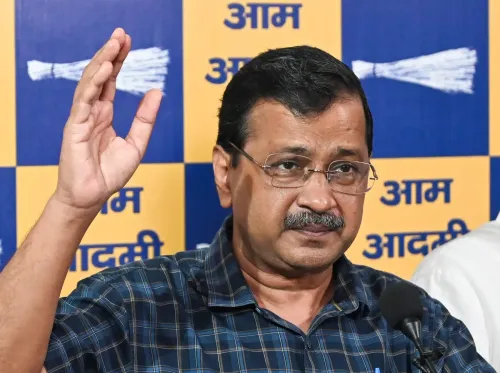
AAP convenor Arvind Kejriwal on 18 August 2026 revealed that a criminal case is being tried against him in a Gujarat court, filed after he publicly demanded proof of Prime Minister Modi's academic degree — reigniting a long-running political controversy over transparency and accountability.
Key Takeaways
AAP convenor Arvind Kejriwal posted on 18 August 2026 that a criminal case was filed against him for seeking PM Modi 's academic degree.
The trial is being heard in a court in Gujarat , the Prime Minister's home state.
Kejriwal frames the prosecution as retaliation for demanding legitimate public accountability.
The degree controversy between AAP and the ruling establishment has persisted for over a decade.
Kejriwal has faced several separate legal cases in recent years, including the 2024 Delhi liquor policy arrest.
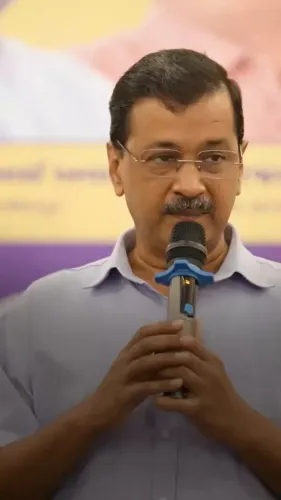
A question about a university degree has landed AAP convenor Arvind Kejriwal in a Gujarat court — and he is not letting the country forget it. On Tuesday, 18 August 2026, Kejriwal posted on X, stating that when he asked for Prime Minister Narendra Modi's academic degree, a criminal case was filed against him, and that trial is now proceeding in a court in Gujarat.
In his post, Kejriwal wrote: 'मैंने प्रधान मंत्री जी की डिग्री माँगी तो इन लोगों ने मुझ पे क्रिमिनल केस कर दिया। गुजरात की एक अदालत में मेरे ख़िलाफ़ मुक़दमा चल रहा है।' — translated: 'When I asked for the Prime Minister's degree, these people filed a criminal case against me. A case is being tried against me in a court in Gujarat.'
The degree dispute that refuses to close
The controversy over Prime Minister Modi's academic qualifications has been a recurring flashpoint in Indian politics for over a decade. Kejriwal and the Aam Aadmi Party have previously sought documents through Right to Information applications and public campaigns, demanding transparency about the PM's educational credentials. The Gujarat criminal case, as Kejriwal describes it, stems directly from that demand.
Kejriwal's framing is pointed: that asking a constitutional question — the educational record of a sitting Prime Minister — should not invite prosecution. His post does not specify the exact charges or the complainant, but the political message is unmistakable. He is positioning the case as an example of state power being used to silence political scrutiny.
Gujarat court, national stakes
The fact that the trial is being heard in Gujarat — the Prime Minister's home state — adds a layer of political symbolism that Kejriwal is clearly leaning into. For AAP, which has built its identity around demanding accountability from those in power, the case fits a long-running narrative about the cost of asking inconvenient questions.
Kejriwal himself has faced multiple legal battles in recent years, including a high-profile arrest in 2024 in connection with the Delhi liquor policy case, from which he later secured bail. His supporters argue these cases are politically motivated; the ruling establishment contests that characterisation. The Gujarat degree case now joins that broader contested terrain.
Whether a court vindicates him or not, Kejriwal has ensured the question stays alive: in a democracy, what happens when a citizen — or a politician — simply asks for proof?
Point of View
He reframes a court case as a referendum on democratic accountability. The degree controversy has long served AAP as a symbol of opacity in high office, and surfacing it now suggests the party intends to keep that pressure active heading into future electoral cycles. The Gujarat venue is not incidental; it amplifies the narrative of a leader being tried on the home turf of his political adversary. How the courts ultimately rule will matter far less, in the short term, than the public conversation Kejriwal has just reignited.
NationPress
3 Oct 2026
Frequently Asked Questions
Why is Arvind Kejriwal facing a criminal case in Gujarat?
Kejriwal says the criminal case against him in a Gujarat court was filed after he publicly demanded documents related to Prime Minister Narendra Modi's academic degree.
What is the controversy about PM Modi's degree?
For over a decade, AAP and Kejriwal have questioned and sought documentary proof of Prime Minister Modi's university qualifications, filing RTI applications and running public campaigns demanding transparency.
Where is the case against Kejriwal being heard?
According to Kejriwal's post on 18 August 2026, the criminal trial against him is being heard in a court in Gujarat.
Has Kejriwal faced other legal cases before?
Yes. Kejriwal was arrested in 2024 in connection with the Delhi liquor policy case and later secured bail. He has characterised multiple legal actions against him as politically motivated.
What charges are involved in the Gujarat degree case?
Kejriwal's post does not specify the exact charges or the complainant. NationPress could not independently verify those details from the available information.