Kejriwal demands ₹1 crore aid for Valsad flood victims, slams Gujarat govt absence
Synopsis
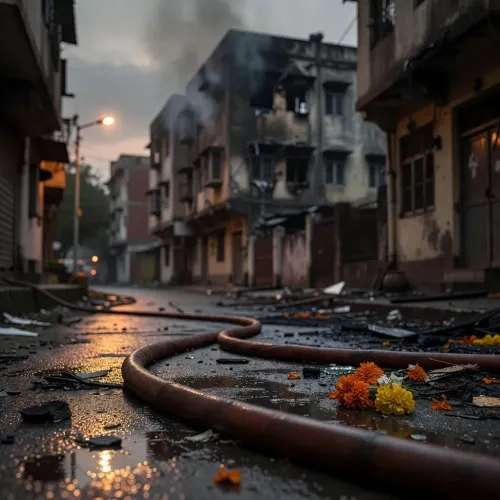
AAP convenor Arvind Kejriwal demanded ₹1 crore compensation for every family that lost a member in the Valsad floods, which killed more than 45 people, and slammed the Gujarat government for the absence of the Chief Minister or any minister at the disaster site.
Key Takeaways
More than 45 people have died in floods in Valsad, Gujarat , with farmers and small traders also reporting heavy losses.
AAP convenor Arvind Kejriwal demanded ₹1 crore immediate compensation for every bereaved family.
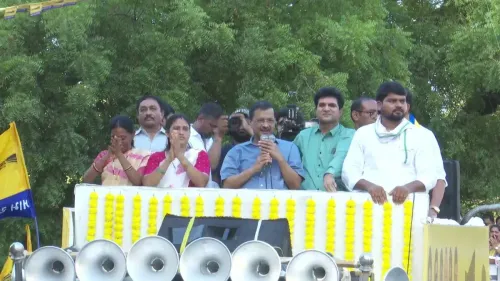
AAP Gujarat leader Praveen Ram visited flood-affected families on July 28, 2026 .
Kejriwal alleged that neither the Gujarat Chief Minister nor any state minister visited the affected area.
The ₹1 crore demand significantly exceeds standard NDRF ex-gratia guidelines, making it a pointed political benchmark for the BJP-led Gujarat government .
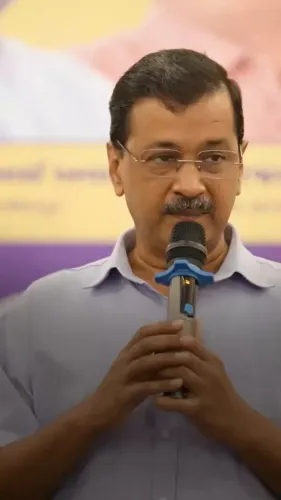
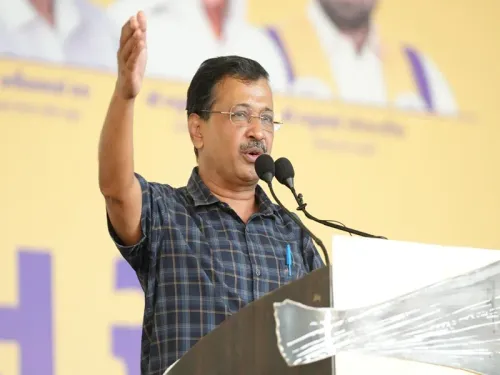
More than 45 lives lost to floods in Valsad, Gujarat — and not a single minister has shown up. AAP convenor Arvind Kejriwal on Tuesday, July 28, 2026, called out the Gujarat government for its silence and demanded immediate compensation of ₹1 crore for every family that has lost a loved one in the disaster.
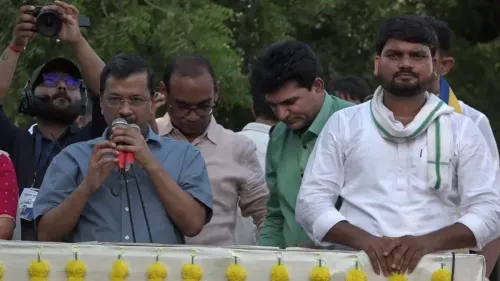
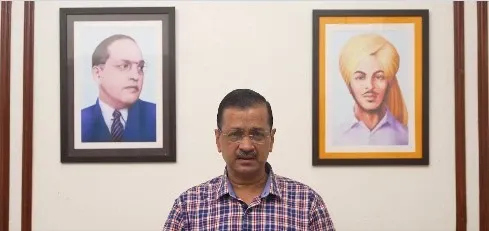
Posting on X, Kejriwal wrote: 'गुजरात के वलसाड में आई भीषण बाढ़ में 45 से ज्यादा लोगों की मृत्यु से मन बहुत दुखी है' — 'The death of more than 45 people in the devastating floods in Valsad, Gujarat has deeply saddened me.' He added that farmers and small traders have also suffered severe losses, and that AAP leader Praveen Ram visited affected families on the day of the post.
Praveen Ram on the ground — but no BJP minister in sight
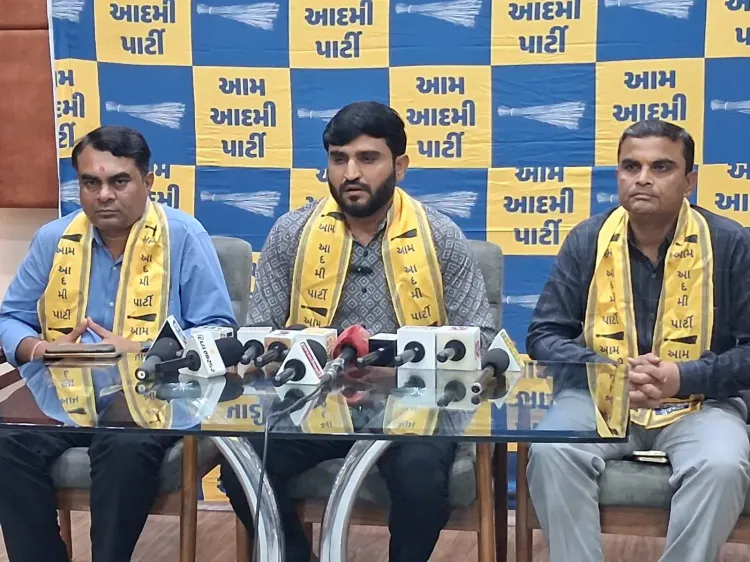
Praveen Ram, AAP's Gujarat leader, met flood-affected residents as the party's boots-on-ground response to the crisis. Kejriwal pointedly noted the contrast: 'Neither the Chief Minister came, nor any minister.' In a state governed by the BJP, the absence of visible political leadership during an active disaster has become the central charge AAP is pressing.
Valsad, a district in southern Gujarat, lies in a monsoon-vulnerable coastal belt where recurrent flooding routinely devastates agriculture and disrupts local trade. Farmers and small traders — already operating on thin margins — are among the hardest hit each season.
The ₹1 crore demand — and what the policy baseline looks like
Kejriwal's demand of ₹1 crore per bereaved family is a deliberate escalation above the standard ex-gratia amounts that Indian states typically pay under National Disaster Response Force guidelines, which have historically ranged from a few lakhs upward. The figure is political as much as it is humanitarian — designed to force the Gujarat government to either match it or defend a lower number publicly.
AAP has deployed this playbook before: in states where it holds no power, the party uses disaster moments to contrast its own welfare record in Delhi with what it frames as neglect elsewhere. The Valsad floods give the party a live, emotionally resonant stage in a state it has been trying to build a foothold in since the 2022 Gujarat Assembly elections.
What the Gujarat government does next
All eyes now shift to whether the state administration announces a formal relief package — and whether any senior BJP leader visits Valsad before the political pressure compounds. A delayed or low-figure response hands AAP exactly the contrast it is looking for heading into the next cycle of Gujarat local politics.
For the families in Valsad, the politics is secondary. Forty-five people are gone. The monsoon is not finished. And the compensation clock is running.
Point of View
Then use the Chief Minister's absence to frame the ruling party as indifferent. The ₹1 crore figure is calibrated to sound generous against the government's likely lower announcement, turning any official response into a comparison AAP wins rhetorically. For AAP, Gujarat remains unfinished electoral business after 2022, and monsoon crises in vulnerable districts offer repeated openings to build credibility with rural and trading communities the party has struggled to reach. The broader pattern — opposition parties filling the optics vacuum during state-government disaster responses — has become a near-annual fixture of Indian monsoon politics.
NationPress
27 Oct 2026
Frequently Asked Questions
How many people died in the Valsad Gujarat floods?
According to AAP convenor Arvind Kejriwal's post on July 28, 2026, more than 45 people have died in the Valsad floods. The exact toll is subject to official confirmation by the Gujarat government.
What compensation did Kejriwal demand for Valsad flood victims?
Kejriwal demanded that the Gujarat government immediately provide ₹1 crore to every family that lost a member in the Valsad floods — a figure well above standard NDRF ex-gratia norms.
Who is Praveen Ram and what did he do in Valsad?
Praveen Ram is an AAP leader in Gujarat who visited families affected by the Valsad floods on July 28, 2026, as part of the party's on-ground response to the disaster.
Why is Kejriwal criticising the Gujarat government over the floods?
Kejriwal alleged that neither the Gujarat Chief Minister nor any state minister visited the flood-hit areas in Valsad, framing the BJP-led government's response as absent and inadequate.
What is the standard government compensation for flood deaths in India?
Under National Disaster Response Force guidelines, Indian states typically pay ex-gratia amounts ranging from a few lakhs per death, though the exact figure varies by state. Kejriwal's demand of ₹1 crore per family is significantly higher than this baseline.