Kejriwal Slams Modi Govt's New 3-Hour Social Media Takedown Rule
Synopsis
AAP convenor Arvind Kejriwal has attacked a reported Modi government rule mandating social media platforms delete government-flagged posts within three hours, linking the move to fear of Gen Z-led protests and warning that suppressing public voice will only deepen popular anger.
Key Takeaways
AAP convenor Arvind Kejriwal on August 7, 2026 publicly attacked a reported new central government rule on social media content removal.
The rule allegedly requires social media platforms to delete government-flagged posts within three hours of receiving an order.
Kejriwal directly linked the move to recent Gen Z-led protest movements , framing it as the government's response to rising youth dissent.
He warned Prime Minister Narendra Modi that suppressing public voices would intensify, not reduce, public anger.
India's existing IT Intermediary Guidelines (2021) already mandate content-moderation obligations for large platforms; the alleged new rule would sharply tighten those timelines.
The Ministry of Electronics and Information Technology has not publicly confirmed the specific three-hour mandate as of the post's date.
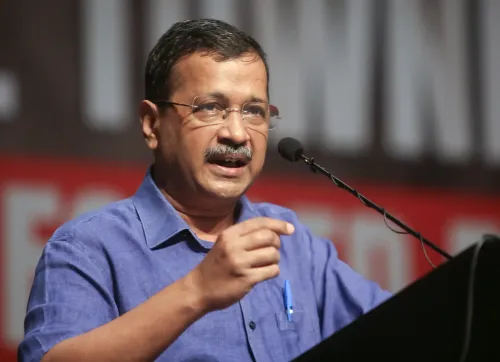
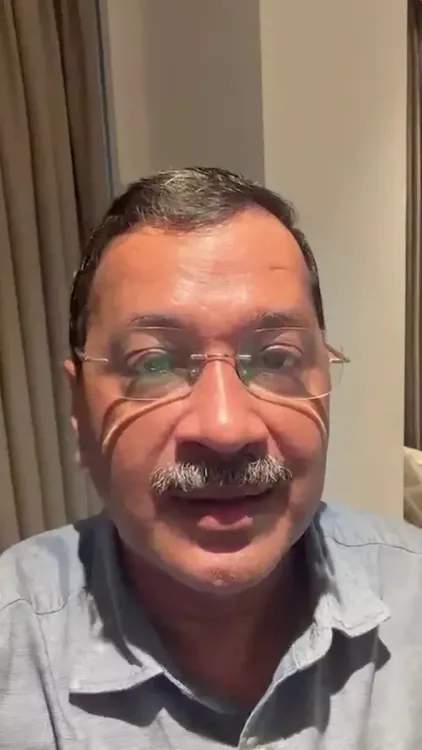
A new law that could force social media platforms to delete posts within three hours of a government order has drawn sharp fire from AAP convenor Arvind Kejriwal, who on Friday, August 7, 2026, accused the Modi government of moving to silence dissent in the wake of youth-led protests across the country.
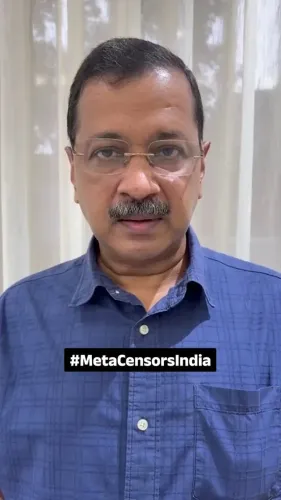
Posting in Hindi, Kejriwal stated: 'मोदी सरकार का नया कानून आया है' ('The Modi government has brought a new law'). He warned that social media platforms would be required to comply with government content-removal orders within three hours, and directly linked the move to what he described as fear gripping the ruling establishment after a wave of Gen Z-led agitation.
'The more you suppress the voice of the people of this country, the more their anger will grow,' Kejriwal said, addressing Prime Minister Narendra Modi directly in the post.
The Rule and What It Changes
India's framework for social media content moderation has evolved through the Information Technology (Intermediary Guidelines and Digital Media Ethics Code) Rules, 2021, which established obligations for large platforms — including the appointment of grievance officers and defined timelines for responding to content complaints. The new mandate Kejriwal references, if enacted, would represent a significant tightening: a three-hour window for platforms to act on government-flagged content is far shorter than existing norms and would place immediate operational pressure on global platforms operating in India.
The Ministry of Electronics and Information Technology has not yet issued a public notification or amendment confirming the specific three-hour takedown timeline cited in the post. Opposition voices have historically raised concerns that expanding state authority over platform content risks chilling legitimate speech online.
Gen Z Protests and the Politics of Online Speech
Kejriwal's framing is pointed: by tying the new rule directly to a recent upsurge of youth-driven protest movements, he is casting the law not as routine regulatory housekeeping but as a political response to street-level dissent. The argument — that governments tighten digital controls precisely when public anger peaks — has been a recurring opposition critique across multiple election cycles.
Indian governments of different stripes have periodically updated IT rules to address intermediary liability and content moderation, and each revision has drawn debate over where platform accountability ends and state overreach begins. The 2021 Rules themselves faced legal challenges from platforms and civil society groups. A three-hour deletion mandate, if confirmed, would push that debate to a new frontier.
For now, Kejriwal has thrown the first political punch — and the government's formal response, or silence, will define the next move in this fight over who controls what Indians can read online.
Point of View
And frame it through the most politically charged lens available — in this case, youth protest and free speech. The three-hour takedown window, if confirmed, would mark a genuine escalation in India's content-moderation regime and hand opposition parties a durable campaign issue ahead of any electoral cycle. The broader pattern is significant: every tightening of India's IT rules since 2021 has been met with legal challenges and political pushback, suggesting this battle is far from its final round. Whether Kejriwal's framing gains traction will depend heavily on how quickly — and how transparently — the government publishes the actual text of the rule.
NationPress
22 Sept 2026
Frequently Asked Questions
What is the new Modi government social media rule Kejriwal is talking about?
Kejriwal claims the Modi government has introduced a rule requiring social media platforms to delete any post flagged by the government within three hours. The Ministry of Electronics and Information Technology had not publicly confirmed the specific three-hour mandate as of August 7, 2026.
Why is Kejriwal criticising this social media takedown law?
Kejriwal argues the rule is designed to suppress public dissent, particularly after recent Gen Z-led protest movements. He says the government is acting out of fear and warned that silencing people will only increase their anger.
What are India's existing IT rules on social media content removal?
The Information Technology (Intermediary Guidelines and Digital Media Ethics Code) Rules, 2021, require large social media platforms to appoint grievance officers and act on content complaints within defined timelines. A three-hour government-order window would represent a significant tightening of those existing norms.
What did Kejriwal say about Gen Z protests and the new law?
Kejriwal directly linked the new rule to a wave of Gen Z-led agitation, suggesting the government introduced it because Prime Minister Modi had grown fearful of youth-driven street protests and their amplification on social media.
Which ministry oversees social media content rules in India?
The Ministry of Electronics and Information Technology (MeitY) is responsible for framing and enforcing India's IT intermediary guidelines, including any new rules governing social media content takedowns.