Kejriwal mocks E20 fuel rollout with a joke
Synopsis
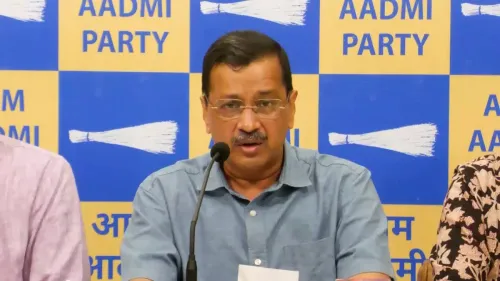
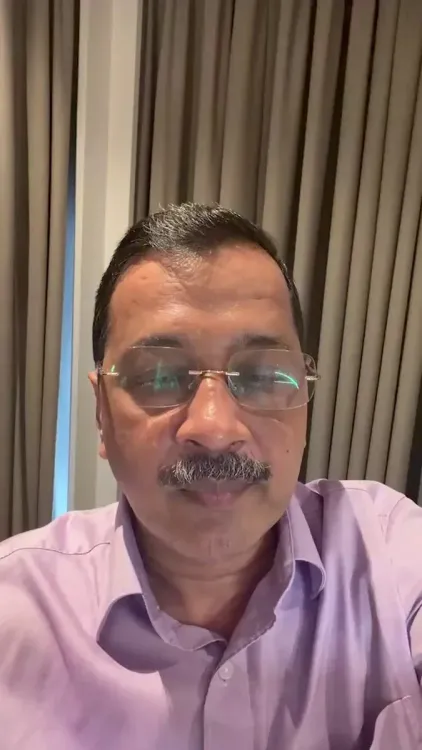
AAP convenor Arvind Kejriwal posted a video on 9 August 2026 offering to explain India's E20 ethanol-blending programme through a joke, framing the satire as a critique of the gap between the scheme's ambitious targets and its ground-level rollout.
Key Takeaways
Arvind Kejriwal posted a video on 9 August 2026 mocking the implementation of India's E20 ethanol-blending programme .
E20 targets blending 20 percent ethanol with petrol to cut oil imports and vehicular emissions.
The National Policy on Biofuels, 2018 set the original roadmap; in 2021 the deadline was advanced from 2030 to 2025 .
Key stakeholders include vehicle owners, oil marketing companies, and sugarcane farmers .
Opposition figures have periodically highlighted gaps between announced blending targets and actual ground-level availability at fuel pumps.
Kejriwal's use of satire is a deliberate tactic to bring a technical policy debate to a mass audience.
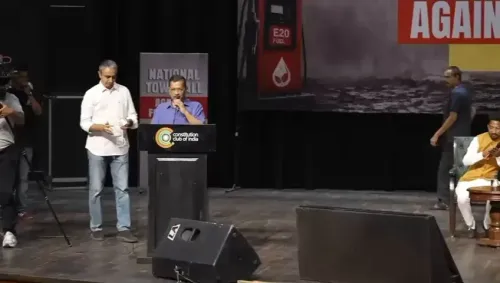
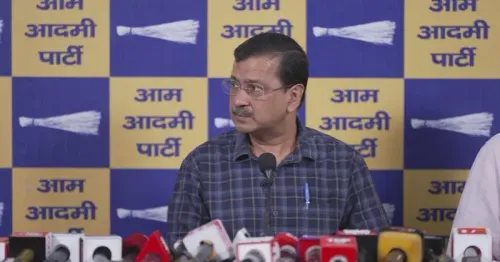
A fuel policy that was meant to power India's clean-energy future has become the punchline of a political joke — and AAP national convenor Arvind Kejriwal is the one delivering it. On Sunday, 9 August 2026, Kejriwal posted a video on X in which he offered to explain India's E20 ethanol-blending programme not through policy documents or data, but through a chutkula — a joke.
His exact words: 'हमारे देश में E 20 कैसे लागू किया जा रहा है, आइए मैं आपको एक चुटकुले से समझाता हूँ' — 'Let me explain how E20 is being implemented in our country through a joke.' The framing itself is the message: when a former chief minister reaches for satire to describe a flagship government scheme, the criticism lands before the punchline does.
What E20 was supposed to deliver
The E20 programme — blending 20 percent ethanol with petrol — sits at the heart of India's energy security strategy. The National Policy on Biofuels, 2018 laid the roadmap, and in 2021 the government accelerated the original 2030 deadline to 2025, signalling urgency. The stated goals: reduce dependence on crude oil imports, lower vehicular emissions, and boost income for sugarcane farmers by creating a domestic ethanol market.
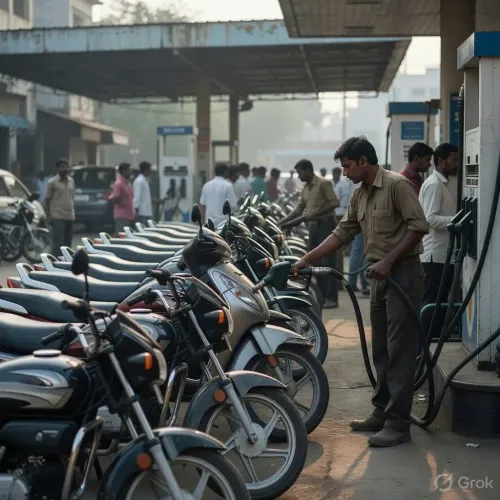
On paper, the ambition is substantial. In practice, the rollout has required intricate coordination — pricing formulas between the petroleum ministry and oil marketing companies, state-level supply chain logistics, and vehicle compatibility standards for millions of cars and two-wheelers already on Indian roads.
The gap between target and ground reality
Kejriwal is not the first opposition voice to point at that gap. The programme's complexity — spanning central directives, state governments, distilleries, oil companies, and vehicle manufacturers — has made uniform nationwide rollout a persistent challenge. Vehicle owners in many regions have reported uneven availability of E20-compliant fuel at pumps, even as official blending percentages have climbed in aggregate statistics.
The choice of a joke as the explanatory device is a deliberate rhetorical move. Satire, deployed by a politician with Kejriwal's platform, is designed to do what a press statement cannot: make a policy critique go viral and reach voters who would never read a parliamentary question on blending progress.
Whether the joke lands on the merits of E20's implementation — or oversimplifies a genuinely complex logistical challenge — the petroleum ministry's next update on state-wise E20 coverage will carry more scrutiny because of it.
Point of View
And any credible criticism of its ground-level gaps carries weight given the 2025 deadline has already passed. The broader pattern here is the widening space between India's energy-transition announcements and verifiable state-wise execution — a gap that opposition parties are increasingly weaponising ahead of electoral cycles. The petroleum ministry's response, or silence, will determine whether this joke becomes a sustained political liability.
NationPress
23 Sept 2026
Frequently Asked Questions
What is the E20 fuel programme in India?
E20 refers to petrol blended with 20 percent ethanol , a target under India's ethanol blended petrol programme aimed at reducing crude oil imports and cutting vehicular emissions. The National Policy on Biofuels, 2018 set the framework, and the deadline was advanced to 2025 in 2021.
Why is Kejriwal criticising the E20 scheme?
Arvind Kejriwal posted a video on 9 August 2026 saying he would explain E20's implementation through a joke, implying a gap between the government's stated targets and actual ground-level rollout across states.
Has India achieved its E20 ethanol blending target?
India has steadily raised ethanol blending percentages through central directives, but uniform nationwide availability of E20-compliant fuel at pumps has remained a challenge due to supply chain, pricing, and vehicle compatibility complexities. The research does not confirm full target achievement.
Who are the main stakeholders affected by E20 implementation?
The primary stakeholders are vehicle owners who use petrol, oil marketing companies responsible for blending and distribution, and sugarcane farmers who supply the feedstock for ethanol production.
What was the original deadline for E20 in India?
The original deadline under the National Policy on Biofuels, 2018 was 2030 . In 2021 , the government advanced the target to 2025 to accelerate India's energy transition goals.