Kejriwal Links Gujarat BAMS Paper Leak to BJP Rule
Synopsis
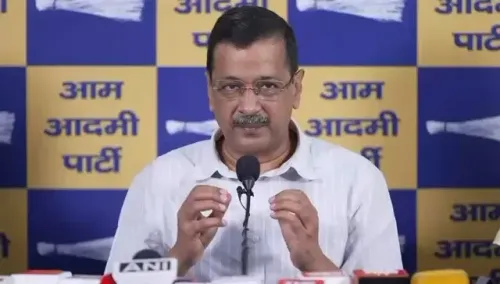
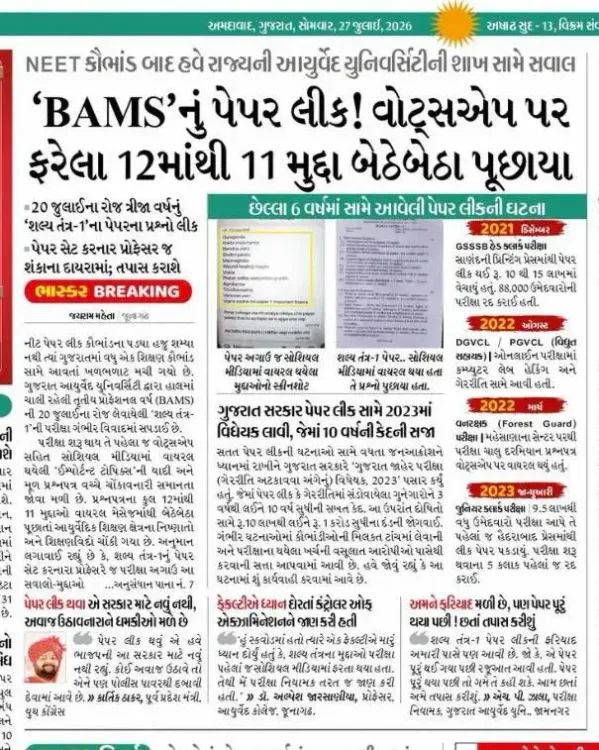
AAP convenor Arvind Kejriwal on 27 July 2026 linked an alleged BAMS third-year paper leak in Gujarat to BJP governance failures, even as Parliament debated a new anti-paper-leak law. He argued only removing the BJP from power could end systemic exam irregularities.
Key Takeaways
AAP convenor Arvind Kejriwal posted on 27 July 2026 connecting a fresh Gujarat paper leak to the BJP's governance record.
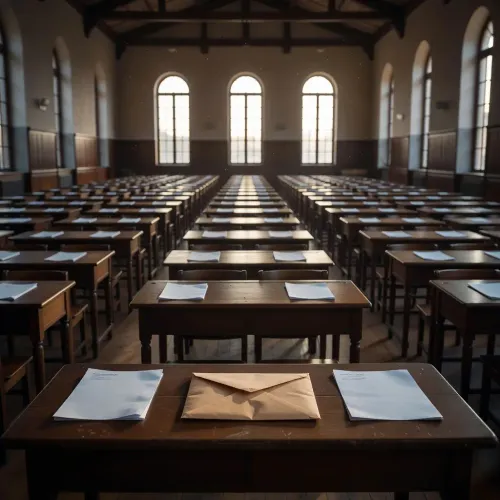
An alleged leak of the BAMS Shalya Tantra - 1 third-year exam paper, held on 20 July , reportedly saw 11 of 12 questions circulate on WhatsApp beforehand.
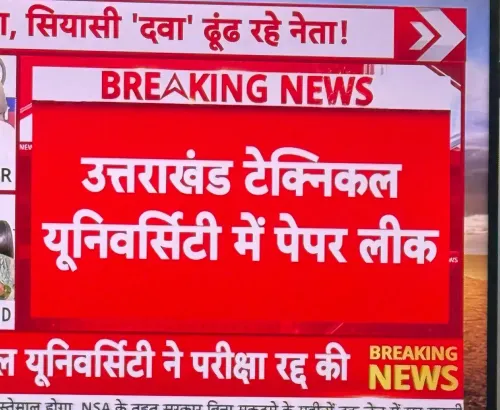
The incident occurred while Parliament was actively debating a proposed stricter anti-paper-leak law.
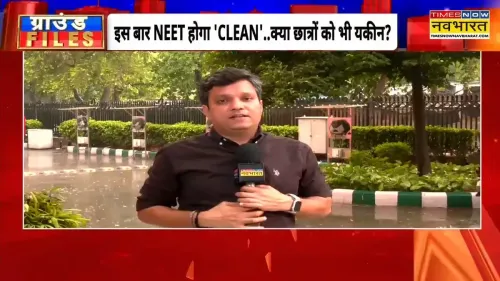
The controversy follows the NEET 2024 paper leak, which led to nationwide protests and the exit of Dharmendra Pradhan from the Education Ministry.
Kejriwal argued that removing the BJP from power is the only way to stop recurring exam irregularities in India.
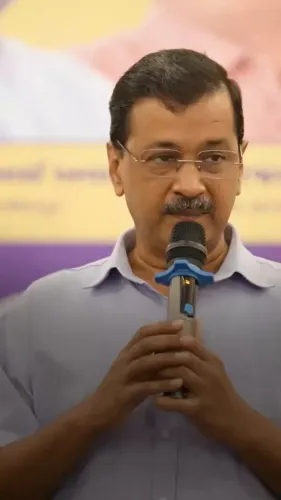
AAP convenor Arvind Kejriwal on Monday, 27 July 2026, linked a fresh alleged paper leak in Gujarat to the BJP's governance record, asserting that exam irregularities cannot be stopped without removing the ruling party from power. His remarks came as Parliament was debating a proposed stringent anti-paper-leak law, even as reports emerged of question-paper leakage in a BAMS (Bachelor of Ayurvedic Medicine and Surgery) third-year examination at a branch of Gujarat Ayurvedic University.
Context
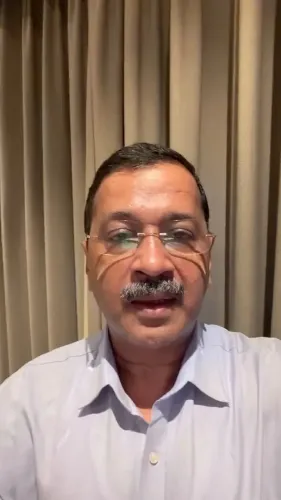
Kejriwal's post, written in Hindi, drew a direct line between the ongoing parliamentary debate and the fresh Gujarat incident. 'Isi beech Gujarat mein ek aur paper leak' ('Meanwhile, yet another paper leak in Gujarat'), he wrote, arguing that the simultaneity of a legislative push against leaks and a fresh leak in a BJP-governed state was itself the most damning indictment.
He cited a report alleging that 11 out of 12 questions from the BAMS Shalya Tantra - 1 (Surgery) third-year paper, held on 20 July, had circulated on WhatsApp beforehand. The report named the paper-setting professor as being under suspicion. NationPress cannot independently verify these specific details at this time.
Policy Backdrop
The political temperature around exam integrity has remained high since the NEET 2024 paper leak triggered nationwide student protests and calls for the resignation of then Union Education Minister Dharmendra Pradhan. Pradhan did subsequently step down from the education portfolio, though the government maintained that administrative reforms were under way.
Parliament's current deliberations on a dedicated anti-paper-leak legislation are a direct legislative response to that controversy. Critics, including AAP, have argued that the proposed law amounts to closing the stable door after the horse has bolted, given the continued recurrence of alleged leaks at state levels.
Stakeholders and Impact
The immediate victims of any paper leak are the students who prepared honestly — in this case, Ayurveda medical aspirants appearing in a high-stakes professional examination. A leaked paper distorts merit-based selection, potentially allowing less-prepared candidates to secure seats in a programme that trains future healthcare practitioners.
More broadly, recurring leaks erode public confidence in India's examination infrastructure. Medical and paramedical entrance and progression exams carry particularly high stakes, given the direct link between qualification standards and patient safety downstream.
What's Next
Parliamentary proceedings on the anti-paper-leak bill will be closely watched to see whether the Gujarat incident is raised on the floor of the House and whether the central government responds with any directive to state authorities. Any formal inquiry ordered by Gujarat state authorities or the university into the BAMS paper and the named professor will be a key development to track.
For AAP, the Gujarat incident provides a fresh line of attack ahead of future state electoral cycles, reinforcing its national narrative that exam integrity is a governance failure attributable to the BJP. Whether the proposed central law, once enacted, includes mechanisms to audit state-level university examinations will determine its real-world deterrent value.
Point of View
He attempts to neutralise the government's legislative initiative before it can be claimed as a win. The move fits a broader AAP pattern of using governance failures in BJP-ruled states to build a national opposition identity, particularly on issues — education, health, employment — that directly affect young voters. The NEET crisis established paper leaks as a potent electoral liability for the BJP; the Gujarat BAMS incident, even if smaller in scale, keeps that wound open. Whether the anti-paper-leak law's final text covers state university examinations will be the real policy test that follows this political moment.
NationPress
27 Jul 2026
Frequently Asked Questions
What did Kejriwal say about the Gujarat paper leak?
Kejriwal said that a fresh alleged paper leak in Gujarat — occurring while Parliament debated an anti-leak law — proved that stopping exam irregularities requires removing the BJP from power.
What is the BAMS paper leak in Gujarat about?
Reports allege that 11 out of 12 questions from the BAMS third-year Shalya Tantra - 1 exam, held on 20 July 2026, circulated on WhatsApp before the exam, with the paper-setting professor placed under suspicion. NationPress has not independently verified these details.
Why did Dharmendra Pradhan resign?
Dharmendra Pradhan stepped down from the Union Education Ministry following the NEET 2024 paper leak controversy, which triggered nationwide student protests and sustained opposition pressure.
What is India's anti-paper-leak law?
Parliament has been debating a proposed central legislation to impose stricter penalties for examination paper leaks, a direct legislative response to the NEET 2024 scandal and other recurring exam irregularities.
How does the Gujarat BAMS leak relate to NEET?
Both incidents involve alleged leakage of high-stakes exam papers in India, and both have been used by opposition parties to argue that the BJP-led administration has failed to protect the integrity of examinations at central and state levels.