Kejriwal Marks Independence Day With Gen Alpha School Rights Push

Synopsis
On Independence Day 2026, AAP convenor Arvind Kejriwal praised children across India for demanding basic school facilities — desks, clean water, toilets, and teachers — calling their activism 'true freedom' and extending AAP's Delhi education model as a national benchmark.
Key Takeaways
AAP convenor Arvind Kejriwal posted on 15 August 2026 marking Independence Day with a focus on school infrastructure rights.
He invoked Gen Alpha — children born after 2010 — as a new wave of youth demanding basic school facilities.
The demands cited are foundational: desks, clean drinking water, functional toilets, and teachers .
Kejriwal framed children fighting for these basics as the real meaning of 'true freedom' on Independence Day.
The post extends AAP's Delhi school reform record (from 2015 onwards) into a national political argument about unmet obligations in other states.
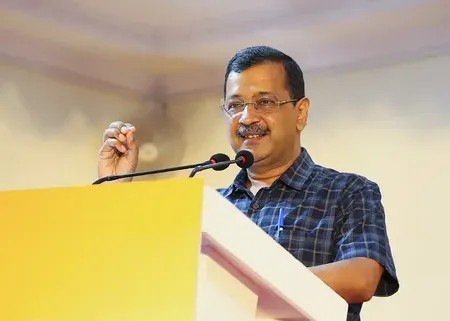
On Independence Day, 15 August 2026, AAP convenor Arvind Kejriwal turned the national occasion into a pointed statement about school infrastructure — honouring what he called a new generation of young Indians demanding desks, clean water, toilets, and teachers as a matter of right, not charity.
Writing in Hindi, Kejriwal said: 'ये 15 अगस्त और भी ज़्यादा ख़ास है' ('This 15th August is even more special') — because, in his framing, Gen Alpha has picked up where Gen Z left off, with children across the country fighting to get their own schools fixed. 'Our children have learned to fight for their rights. This is true freedom,' he wrote.
The Bare Minimum These Children Are Asking For
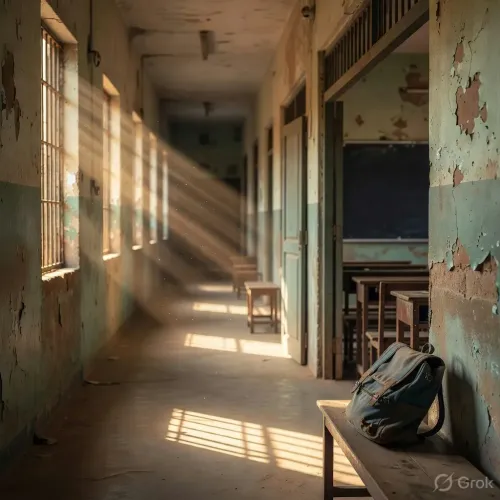
The demands Kejriwal lists are striking in their modesty: desks, clean drinking water, functional toilets, and teachers. These are not aspirational asks — they are the legal floor of what a school is supposed to be. That children must campaign for them publicly, on a national holiday, is itself the argument Kejriwal is making.
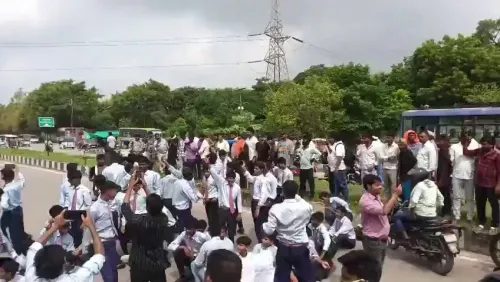
The post carries a video, suggesting on-the-ground visuals of this youth mobilisation, though the specific events depicted could not be independently verified from available information.
AAP's Delhi Playbook, Now Cast as a National Benchmark
The framing is deliberate. Since 2015, the Aam Aadmi Party government in Delhi made the overhaul of government school infrastructure — classrooms, sanitation, furniture, teacher recruitment — its signature governance story. Kejriwal is now holding that model up as a mirror to the rest of the country, implicitly asking why what Delhi did is still a distant dream in so many states.
By invoking Independence Day, he ties the unfinished work of school infrastructure to the unfinished work of the republic itself. True freedom, the post argues, is when a child does not have to protest to get a chair to sit on.
A Generation That Decided Not to Wait
The political potency of the post lies in who is doing the demanding — not opposition leaders, not NGOs, but children. Kejriwal's use of the Gen Alpha label (broadly, children born after 2010) positions this as a generational relay: the youth politics of Gen Z has now filtered down to primary-school age. Whether that framing reflects a coordinated campaign or a looser pattern of student and parent activism, the image it projects — kids fighting for basics — is designed to be hard to argue against.
As state education departments face renewed scrutiny over infrastructure gaps, the Independence Day timing ensures this message lands in the one news cycle when the entire country is thinking about what the nation owes its citizens.
Point of View
He insulates the message from partisan deflection. The invocation of Gen Alpha extends AAP's decade-long education-as-governance brand beyond Delhi into a national moral argument. For a party currently out of power in Delhi and rebuilding nationally, framing school infrastructure as an unfinished freedom struggle is a low-cost, high-resonance way to stay relevant on a day every party competes for the patriotism narrative. The real test is whether this generates pressure on state governments or remains symbolic Independence Day positioning.
NationPress
15 Aug 2026
Frequently Asked Questions
What did Arvind Kejriwal say on Independence Day 2026?
Kejriwal posted on 15 August 2026 saying this Independence Day is especially meaningful because children across India — whom he called Gen Alpha — are fighting for basic school facilities like desks, clean water, toilets, and teachers, and called this struggle 'true freedom.'
What is Gen Alpha and why did Kejriwal mention them?
Gen Alpha broadly refers to children born after 2010. Kejriwal used the term to highlight that even the youngest generation is now actively demanding their right to functional school infrastructure, framing it as a continuation of youth activism.
What school facilities are children demanding according to Kejriwal's post?
According to the post, children are demanding desks, clean drinking water, functional toilets, and teachers — the most basic requirements for a school to function.
What is AAP's record on government school infrastructure?
Since coming to power in Delhi in 2015, AAP implemented upgrades to government school facilities including classrooms, sanitation, furniture, and teacher recruitment, making education reform a central part of its governance identity.
Why did Kejriwal connect school rights to Independence Day?
By posting on Independence Day, Kejriwal linked the unfinished work of providing basic school facilities to the broader promise of the republic, arguing that true freedom means every child has a functional school — not just political independence.