Kejriwal pays tribute to Ahilyabai Holkar on her birth anniversary
Synopsis
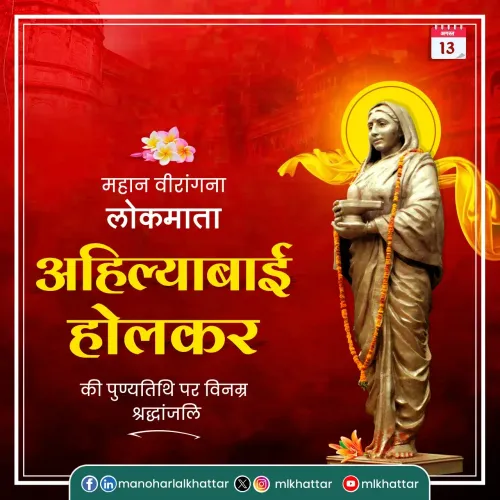
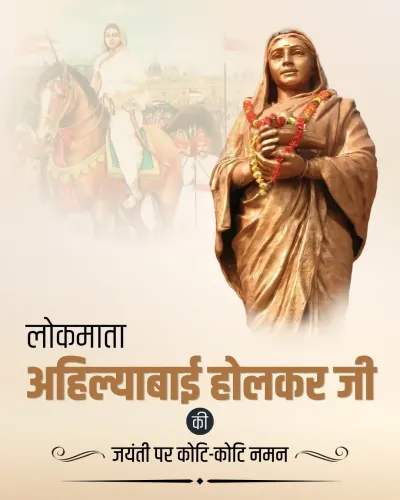
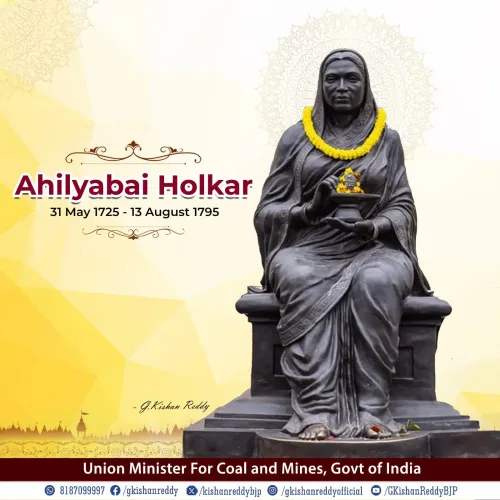
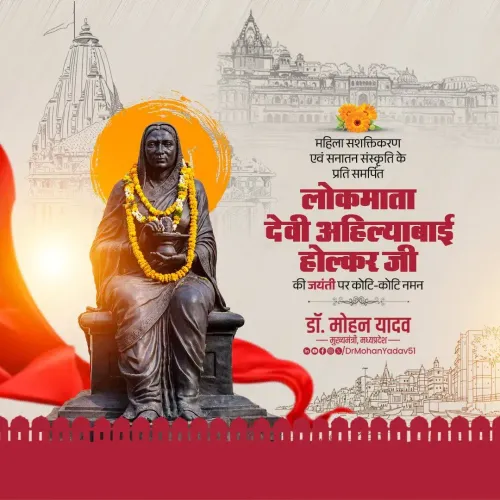
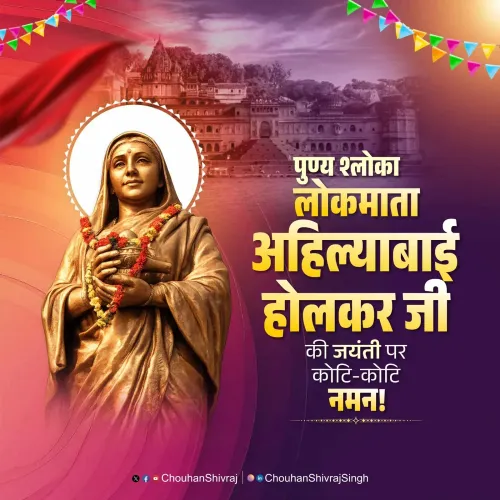
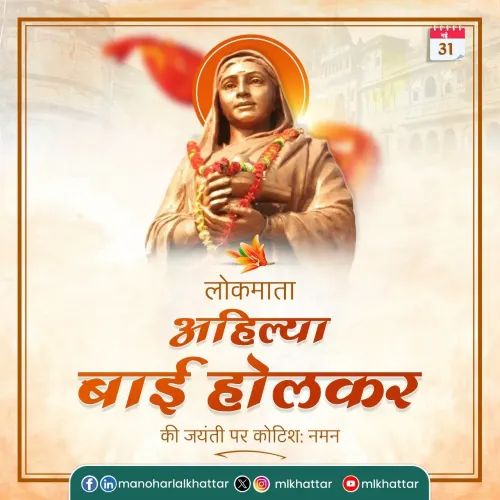
AAP convenor Arvind Kejriwal on 31 May 2026 paid tribute to 18th-century Malwa ruler Ahilyabai Holkar on her birth anniversary, praising her legacy of justice, temple restoration, and public welfare as an enduring source of inspiration.
Key Takeaways
AAP convenor Arvind Kejriwal posted a tribute to Ahilyabai Holkar on her birth anniversary on 31 May 2026 .
He addressed her as Lokmata and described her as a symbol of justice, good governance, and public welfare.
Ahilyabai ruled the Malwa kingdom from 1767 to 1795 and is credited with restoring temples at Varanasi , Somnath , and Gaya .
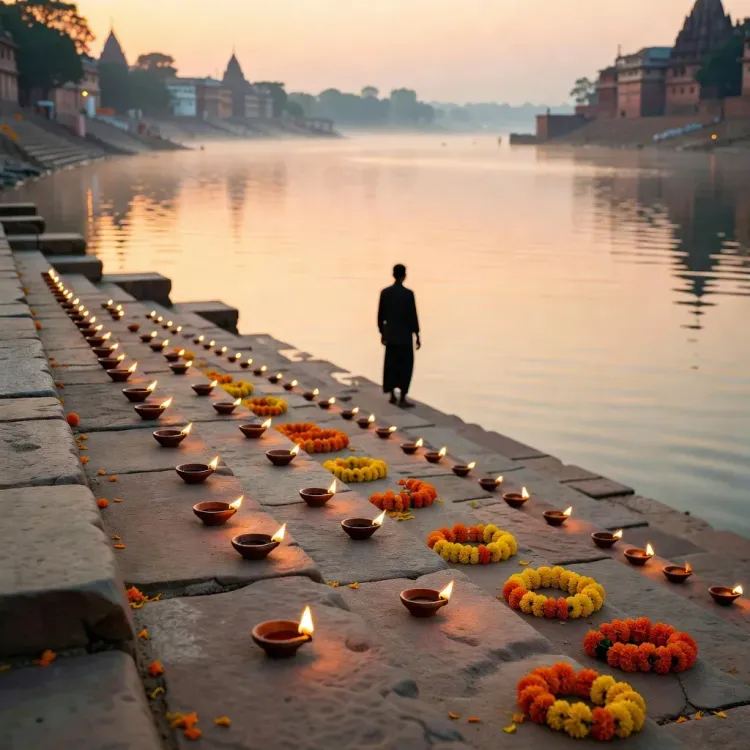
She built dharamshalas and ghats across the subcontinent for the convenience of pilgrims and travellers.
Kejriwal called her life 'an invaluable source of inspiration' dedicated to service, compassion, and foresight.
Such tributes reflect a broader pattern of Indian political leaders invoking pre-colonial welfare rulers to connect historical precedents with contemporary governance themes.
AAP convenor Arvind Kejriwal on Sunday, 31 May 2026 paid tribute to Ahilyabai Holkar, the 18th-century ruler of the Malwa kingdom, on her birth anniversary, hailing her as a symbol of justice, good governance, and public welfare.
Context
In his post, Kejriwal offered koti-koti naman (countless salutations) to Ahilyabai, whom he addressed as Lokmata — a title meaning 'Mother of the People'. He described her as 'a great symbol of justice, good governance, and public welfare' whose 'entire life is a remarkable example of service, compassion, and foresight.'
He noted that she 'undertook historic work for the upliftment of society and the well-being of the people,' and that her life 'dedicated to public interest remains an invaluable source of inspiration for all of us even today.'
Policy Backdrop
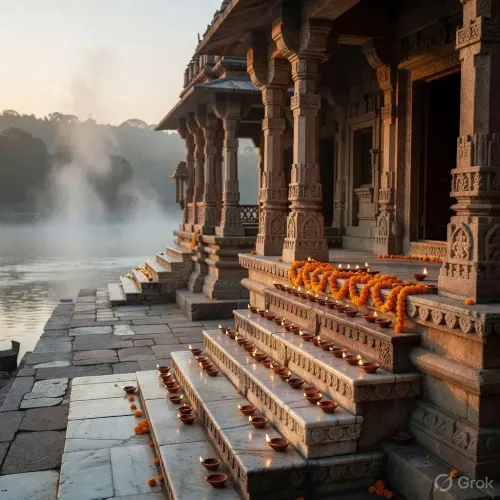
Ahilyabai Holkar ruled the Malwa kingdom, headquartered at Indore, from 1767 to 1795 under the Holkar dynasty. Historical records credit her with the restoration of major pilgrimage sites including temples at Varanasi, Somnath, and Gaya, as well as the construction of dharamshalas (rest houses for travellers), ghats (riverfront steps), and public infrastructure across the subcontinent.
Her reign is widely cited in Indian historiography as an early model of welfare-oriented administration, combining religious patronage with practical public works that served pilgrims and common citizens alike.
Stakeholders and Impact
Political leaders across party lines in India routinely issue tributes on the birth anniversaries of pre-colonial rulers associated with temple patronage and public welfare, connecting historical precedents to contemporary governance narratives. Ahilyabai's legacy is particularly resonant in discussions around pilgrimage infrastructure, heritage conservation, and women in leadership.
Her memory holds significance for pilgrims, heritage bodies, and communities across Madhya Pradesh and beyond, where several of her public works — ghats, temples, and rest houses — remain in active use or under conservation.
What's Next
State governments, cultural ministries, and heritage bodies have in recent years referenced Holkar-era works as historical precedents when announcing temple and ghat conservation projects. Kejriwal's tribute joins a broader pattern of political commemoration that keeps Ahilyabai's legacy in public discourse. Observers will watch for any policy announcements or Archaeological Survey of India initiatives around pilgrimage infrastructure that invoke her legacy in the coming months.
Point of View
The tribute implicitly connects 18th-century patronage with contemporary debates around heritage conservation and pilgrimage development. For AAP, a party that has consistently framed its governance model around public service delivery, the reference to Ahilyabai's dharamshalas and ghats carries a recognisable rhetorical logic. The commemoration is unlikely to shift political equations but reinforces the party's effort to claim a share of the cultural-heritage discourse that has grown increasingly prominent in Indian politics.
NationPress
14 Oct 2026
Frequently Asked Questions
Who was Ahilyabai Holkar?
Ahilyabai Holkar was an 18th-century ruler of the Malwa kingdom, governing from 1767 to 1795 under the Holkar dynasty, and is historically noted for restoring temples at Varanasi, Somnath, and Gaya, as well as building dharamshalas and ghats for public welfare.
Why did Kejriwal pay tribute to Ahilyabai Holkar?
Kejriwal paid tribute on her birth anniversary, calling her a symbol of justice, good governance, and public welfare, and describing her life as an enduring source of inspiration for all Indians.
What is the meaning of 'Lokmata' as used for Ahilyabai Holkar?
'Lokmata' translates as 'Mother of the People' and is an honorific title used for Ahilyabai Holkar to recognise her deep commitment to public welfare, compassion, and service during her reign.
What were Ahilyabai Holkar's major contributions?
She is credited with restoring major pilgrimage temples including those at Varanasi, Somnath, and Gaya, and with constructing dharamshalas and ghats across the subcontinent to facilitate travellers and pilgrims.
Why do Indian political leaders frequently tribute pre-colonial rulers like Ahilyabai Holkar?
Such tributes are a common feature of Indian political culture, allowing leaders to align themselves with themes of justice, heritage, and welfare governance, and to connect historical precedents with contemporary policy priorities around cultural conservation and public service.