Kejriwal says 6 students released from Parliament PS
Synopsis
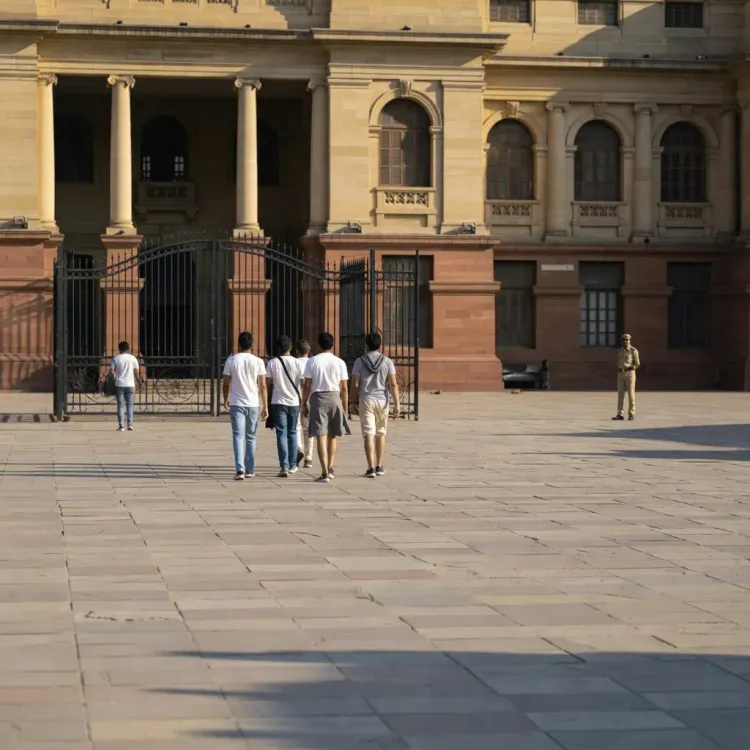
AAP convenor Arvind Kejriwal announced on 21 July 2026 that six students held at Parliament Street police station in New Delhi have been released, drawing political attention to a detention near the central legislature complex.
Key Takeaways
Six students detained at Parliament Street police station in New Delhi have been released, according to Arvind Kejriwal .
Kejriwal made the announcement on 21 July 2026 via his official X account.
The Parliament Street police station is located near Sansad Marg and falls under the jurisdiction of Delhi Police , which reports to the Union Home Ministry .
Student detentions near Parliament typically occur in the context of protests or demonstrations in the restricted perimeter around the legislature.
The Aam Aadmi Party , founded in 2012 , has historically positioned itself as an advocate for those detained during political protests.
Follow-up statements from student organisations or parliamentary proceedings may provide further details on the incident.
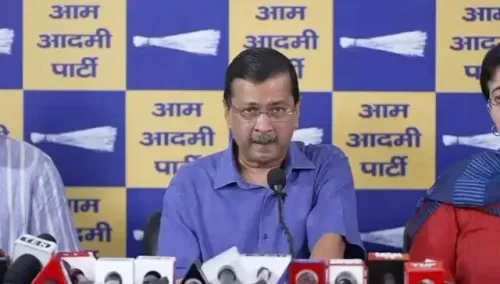
AAP convenor Arvind Kejriwal announced on Tuesday, 21 July 2026 that six students detained at the Parliament Street police station in New Delhi have been released, flagging the development on his official X account.
Context
Kejriwal posted: 'Six students have been released from Parliament PS' — a brief but pointed statement drawing public attention to the detention and subsequent release of the students. The Parliament Street police station falls under the jurisdiction of the New Delhi district and is in close proximity to the central legislature complex, making detentions there politically significant.
Student detentions near Parliament typically occur in the context of demonstrations or protests in the restricted zone around Sansad Marg. The fact that a senior national political leader chose to publicise the release suggests the students may have been associated with a protest or demonstration that drew political attention.
Policy Backdrop
India's Parliament complex and its surrounding areas are governed by strict security protocols, particularly following tightened measures in recent years. Protests within a defined perimeter of Parliament House are regulated under the law, and security personnel — including the Delhi Police, which reports to the Union Home Ministry — have authority to detain individuals deemed to be in violation of these restrictions.
Student groups across India have periodically staged demonstrations near Parliament on issues ranging from campus policy and examination grievances to broader political concerns. Releases from custody in such cases typically follow legal review, bail proceedings, or intervention by political figures and civil society organisations.
Stakeholders and Impact
The six students at the centre of this development represent a constituency that AAP has consistently sought to champion, particularly on issues of educational access and institutional accountability. Kejriwal's public announcement of their release serves both an informational and a political function, signalling the party's active monitoring of such incidents.
Student organisations and civil liberties groups are among the stakeholders who closely track detentions near the legislature, viewing them as a barometer of the space available for peaceful dissent in the capital. The Aam Aadmi Party, founded in 2012 with a stated focus on governance reform and citizen rights, has historically positioned itself as an advocate for those detained during political protests.
What's Next
Follow-up statements from the affected students or their organisations are likely to provide clarity on the circumstances of the detention and the grounds on which the release was secured. The matter could also surface in upcoming parliamentary proceedings if opposition members choose to raise it on the floor of either house.
Observers will watch whether Kejriwal or AAP escalates the issue with formal demands — such as a statement from Delhi Police on the reasons for detention — or whether the release marks the end of the episode. The incident underscores the ongoing tension between security imperatives around Parliament and the right to peaceful protest in a democracy.
Point of View
Positioning AAP as a watchdog over state power even while out of government in Delhi. The brevity of the post is itself notable: it asserts a fact without elaboration, inviting followers to draw their own conclusions about why the students were detained in the first place. This pattern — flagging detentions and releases near high-visibility locations — fits a broader opposition playbook of using social media to keep civil-liberties concerns in the public eye between parliamentary sessions. The incident, however minor in isolation, feeds into a larger narrative around the shrinking space for protest near India's central institutions.
NationPress
21 Jul 2026
Frequently Asked Questions
Why were students detained at Parliament Street police station?
The specific reason for the detention has not been officially stated. Student detentions near Parliament in New Delhi typically occur in connection with protests or demonstrations in the restricted zone around the legislature complex.
What is Parliament Street police station?
Parliament Street police station, also known as 'Parliament PS', is a Delhi Police station located near Sansad Marg in central New Delhi, close to the Parliament House complex. It falls under the New Delhi district and reports to the Union Home Ministry.
Who is Arvind Kejriwal?
Arvind Kejriwal is the national convenor of the Aam Aadmi Party (AAP) and a former Chief Minister of Delhi. He founded AAP in 2012 with a focus on governance reform and anti-corruption.
How are students released after detention near Parliament?
Releases from custody near Parliament typically follow legal review, bail proceedings, or intervention by political figures and civil society organisations, depending on the nature of the detention.
Can people protest near Parliament in India?
Protests within a defined perimeter around Parliament House are regulated under Indian law. Security personnel, including Delhi Police, have authority to detain individuals deemed to be in violation of these restrictions, though the right to peaceful protest is constitutionally protected.