Kejriwal Urges Indians to Boycott Petrol, Diesel Vehicles
Synopsis
AAP convenor Arvind Kejriwal on 7 August 2026 called on Indians to stop buying petrol and diesel vehicles, warning that the government's ethanol-blending policy — currently at E20 — could keep escalating and render existing vehicles non-compliant, demanding clarity on the long-term roadmap before consumers commit to a purchase.
Key Takeaways
Arvind Kejriwal on 7 August 2026 appealed to Indians to boycott new petrol and diesel vehicle purchases.
His concern centres on the government's Ethanol Blended Petrol Programme , currently targeting E20 (20% ethanol) under the National Policy on Biofuels 2018 .
Kejriwal warned that blending targets could be raised to E40, E50, or E60, making today's compliant vehicles obsolete — though targets beyond E20 are unverified policy.
Vehicle owners face real compatibility risks: engines built for lower ethanol blends can suffer fuel-system damage at higher concentrations.
The Ministry of Petroleum and Natural Gas has not publicly clarified its blending roadmap beyond E20 at the time of the post.
A sustained buyer boycott, if it gains traction, could have significant consequences for India's large automobile sector.
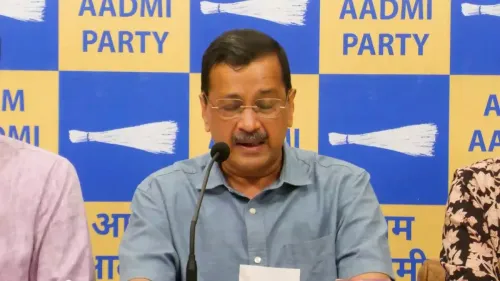
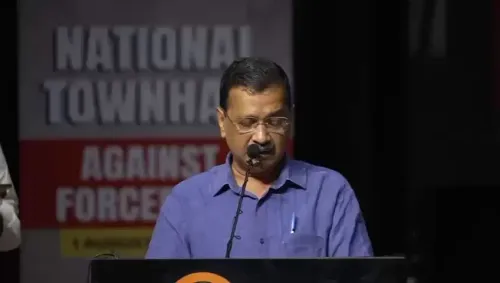
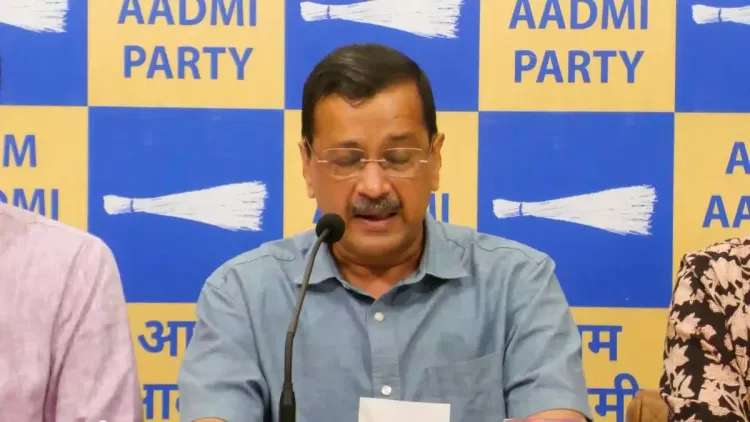
A direct warning to every Indian car buyer landed on Friday: AAP convenor Arvind Kejriwal called on the country to stop purchasing petrol and diesel vehicles until the central government clarifies its roadmap on ethanol-blended fuel — framing the policy as an existential threat to vehicles already on the road.
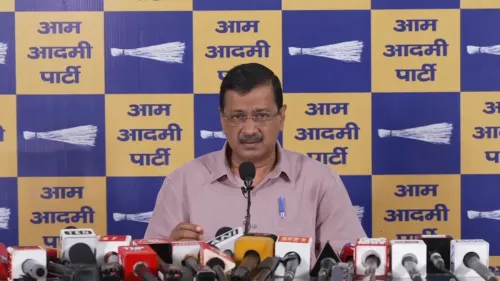
Posting on 7 August 2026, Kejriwal pulled no punches: 'The govt is hell-bent on ruining your vehicles by forcing ethanol-blended petrol on non-compliant vehicles. Today you will buy an E20 vehicle, tomorrow they will force E40, E50, or E60. I appeal to the country. Please stop buying petrol and diesel vehicles until the govt makes its intentions and path clear.'
The E20 Mandate and What It Means for Your Engine
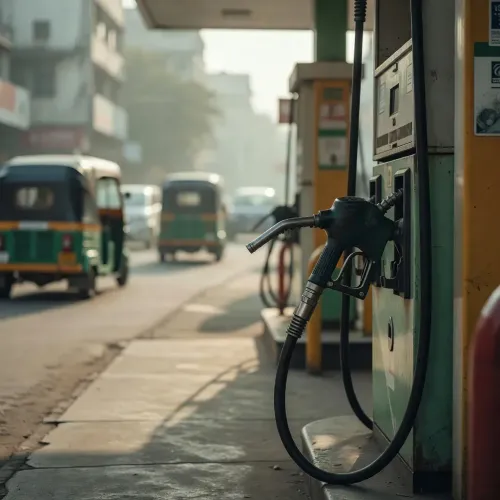
At the heart of Kejriwal's charge is India's Ethanol Blended Petrol Programme — a long-running government initiative that has progressively raised the share of ethanol mixed into petrol sold at pumps across the country. The programme draws its authority from the National Policy on Biofuels 2018, which set a framework for blending targets rising to 20 percent ethanol (E20). The stated rationale: cut crude oil import bills and create demand for agricultural feedstock, particularly sugarcane and grain surpluses.
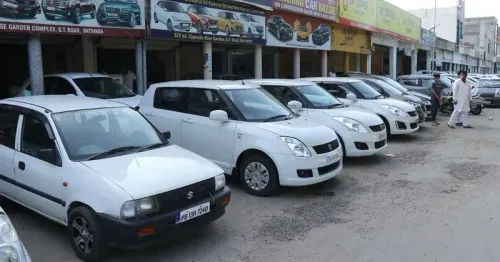
The compatibility problem is real. Engines designed for lower ethanol concentrations can suffer seal degradation, fuel-system corrosion, and altered combustion characteristics when run on higher blends. Automobile manufacturers have had to engineer new vehicles to meet each successive standard — meaning a buyer today faces the question Kejriwal is amplifying: what happens to my E20-compliant vehicle if the blend target moves higher tomorrow?
Opposition's Sharpest Critique: No Clear Roadmap
Kejriwal's appeal is less about opposing biofuels in principle and more about demanding transparency on the trajectory. His references to E40, E50, and E60 — blends well beyond the current E20 framework — sketch a scenario where successive governments keep raising the bar, leaving vehicle owners perpetually chasing compliance. The research note flags that specific targets beyond E20 and post-2023 compliance requirements remain unverified, which is precisely the information gap his post exploits politically.
Opposition leaders have previously questioned the pace and coordination of the blending rollout, which requires synchronised action across the petroleum, agriculture, and environment ministries. The Ministry of Petroleum and Natural Gas has not, at the time of this post, issued a public clarification on blending targets beyond the existing E20 mandate.
A Boycott Call With Real Stakes for the Auto Sector
Calling on consumers to pause vehicle purchases is an unusually sharp instrument for a political leader to reach for. India's automobile sector — one of the largest in the world — is acutely sensitive to buyer sentiment. A sustained chilling effect on demand, even if driven by uncertainty rather than an actual policy change, would ripple through manufacturers, dealerships, and the component supply chain.
For now, the government has not responded publicly to Kejriwal's appeal. The next move belongs to New Delhi: either a clear statement on the long-term ethanol blending roadmap, or a growing vacuum that opposition voices will continue to fill.
Point of View
And that ambiguity is now a liability. By framing the issue as consumer protection rather than anti-environment sentiment, Kejriwal sidesteps the obvious counter-attack. The pressure this creates on the Ministry of Petroleum to publish a clear, time-bound blending roadmap is the real intended outcome — and the auto industry, quietly nervous about demand signals, may not be unhappy to see that pressure applied.
NationPress
7 Aug 2026
Frequently Asked Questions
Why is Kejriwal asking people to stop buying petrol and diesel vehicles?
Kejriwal argues that the government's ethanol-blending policy — which has progressively raised the percentage of ethanol in petrol — could keep escalating beyond the current E20 standard, leaving vehicle owners with cars that are incompatible with future fuel blends. He wants the government to publicly clarify its long-term roadmap before consumers make a purchase decision.
What is E20 petrol and is it safe for my vehicle?
E20 petrol contains 20 percent ethanol blended with conventional petrol. Vehicles specifically engineered to the E20 standard are compatible with this fuel. The concern arises when higher-ethanol blends are used in engines not designed for them, which can cause seal degradation and fuel-system corrosion.
What is India's National Policy on Biofuels?
The National Policy on Biofuels 2018 is a government framework that set targets for progressively increasing ethanol blending in petrol, with the stated goals of reducing crude oil import dependence and supporting agricultural feedstock demand. It established a roadmap reaching up to 20 percent blending.
Will the government raise ethanol blending beyond E20?
The verified government framework currently targets E20. Specific plans for E40, E50, or E60 blends — as referenced by Kejriwal — have not been officially confirmed. Any update would need to come from the Ministry of Petroleum and Natural Gas.
What happens if you use high-ethanol petrol in a non-compliant vehicle?
Using petrol with a higher ethanol concentration than an engine is designed for can cause rubber seal degradation, corrosion in the fuel system, and altered combustion, potentially leading to long-term engine damage and reduced vehicle performance.