Keonjhar cadaver row: Congress walkout rocks Odisha Assembly special session
Synopsis
A tribal man in Keonjhar allegedly dug up his deceased sister's skeletal remains and carried them to a bank branch after officials demanded documentation he could not easily produce — a harrowing echo of Odisha's 2016 Dana Majhi episode. The incident has now spilled into the state Assembly, with Congress staging a walkout and demanding the Chief Minister's resignation over what it calls a systemic failure in his own home district.
Key Takeaways
Jitu Munda , a 42-year-old tribal man from Keonjhar district , allegedly exhumed his sister Kalara Munda's skeletal remains on 27 April and carried them to the Mallipashi branch of Odisha Grameen Bank .
Bank officials had reportedly demanded a death certificate and legal heir certificate before processing the death claim on Kalara's account.
Congress members staged a 15-minute walkout from the Odisha Assembly Special Session on 30 April over the incident.
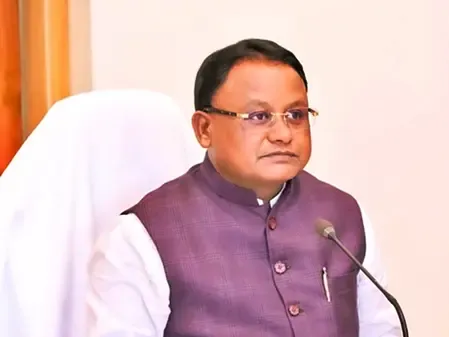
CLP leader Rama Chandra Kadam demanded Chief Minister Mohan Charan Majhi's resignation, calling the incident a global embarrassment from the CM's own home district.
The incident drew comparisons to the 2016 Dana Majhi case in Kalahandi , where a tribal man carried his wife's body for over 10 km after being denied a hearse.
The Odisha Legislative Assembly's Special Session on Thursday, 30 April erupted in uproar over the deeply disturbing incident from Keonjhar district, where tribal man Jitu Munda allegedly exhumed and carried his deceased sister's skeletal remains to a bank branch after officials reportedly demanded a death certificate and legal heir certificate to process a death claim. Congress members staged a walkout and demanded Chief Minister Mohan Charan Majhi's resignation over the incident, which occurred in the Chief Minister's own home district.
What Happened in Keonjhar
According to available accounts, Jitu Munda, a 42-year-old tribal man from Dianali village under Patna police station limits in Keonjhar district, visited the Mallipashi branch of Odisha Grameen Bank on 27 April to withdraw money from his deceased sister Kalara Munda's account. Kalara had reportedly died without any legal heirs. Bank officials, according to the account, told Munda he was required to produce a death certificate and a legal heir certificate before any death claim could be processed.
In a state of reported distress and after allegedly visiting the bank multiple times without resolution, Munda exhumed his sister's buried remains, carried them on his shoulder, and brought them to the bank. The incident drew national attention and widespread condemnation.
Uproar in the Assembly
As soon as the Special Session commenced, Congress members, holding placards, gathered near the podium of Speaker Surama Padhy and raised slogans over the Keonjhar incident, accusing the state government of failing its most vulnerable citizens. The Congress legislators subsequently staged a 15-minute walkout from the House after the Speaker declined to allow a motion for discussion on the issue.
Senior Congress MLA Tara Prasad Bahinipati confirmed that the party had submitted a written request to the Speaker seeking permission to move a motion to ensure justice for the deceased tribal woman and her brother. The Speaker did not grant the permission, prompting the walkout. The Congress members later returned to the House and participated in the discussion on a motion moved by Chief Minister Majhi on women's participation in Indian democracy.
Congress Demands CM's Resignation
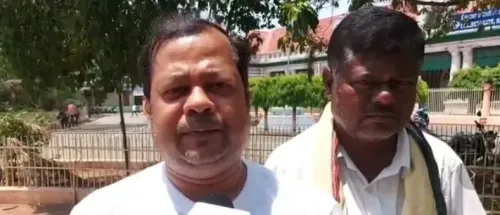
Congress Legislature Party (CLP) leader Rama Chandra Kadam, speaking to the media, said the incident had tarnished the state's image globally. "The shameful incident in the Chief Minister's home district has tarnished the state's image globally," Kadam said, demanding that Chief Minister Majhi resign on moral grounds for failing to ensure justice to a deceased woman from his own district.
Kadam also drew a pointed comparison to the 2016 Dana Majhi incident in Kalahandi, where a man was forced to carry his wife's body on his shoulder for over 10 kilometres after a government hospital allegedly denied him a hearse — an episode that had similarly shocked the nation and raised questions about institutional failures affecting tribal communities in Odisha.
Broader Context and What Comes Next
This is not the first time Odisha has faced national scrutiny over the treatment of tribal communities in distress. The Keonjhar incident has reignited calls for urgent reform of banking procedures for death claims, particularly in rural and tribal areas where documentation is often difficult to obtain. Critics argue that rigid bureaucratic requirements disproportionately burden marginalised communities who lack easy access to administrative services.
With the Assembly session under way and opposition pressure mounting, all eyes are on whether the state government will initiate a formal inquiry into the bank's conduct and announce procedural reforms to prevent a recurrence. The incident is likely to remain a flashpoint through the remainder of the session.
Point of View
And the national outrage that followed did not translate into systemic reform of how state institutions interact with tribal communities in distress. The real question is not whether Jitu Munda deserves justice — he clearly does — but why banking and administrative procedures remain so inaccessible to rural tribal citizens nearly a decade after the last such crisis. Chief Minister Majhi's political discomfort is compounded by the fact that this occurred in his own constituency, making the optics doubly damaging. If this session ends without a concrete policy response on death-claim documentation for tribal and rural account holders, the Assembly debate will have been noise, not accountability.
NationPress
2 Oct 2026
Frequently Asked Questions
What happened in the Keonjhar tribal man bank incident?
Tribal man Jitu Munda from Keonjhar district allegedly exhumed his deceased sister Kalara Munda's skeletal remains and carried them to the Mallipashi branch of Odisha Grameen Bank on 27 April, after bank officials reportedly demanded a death certificate and legal heir certificate to process a death claim on her account.
Why did Congress stage a walkout in the Odisha Assembly?
Congress members walked out of the Odisha Assembly Special Session on 30 April for 15 minutes after Speaker Surama Padhy declined to allow a motion for discussion on the Keonjhar incident. The party accused the state government of failing tribal citizens and demanded Chief Minister Majhi's resignation.
Who is Jitu Munda and what was he trying to do?
Jitu Munda is a 42-year-old tribal man from Dianali village in Keonjhar district. He was attempting to withdraw money from his deceased sister Kalara Munda's bank account, but was told he needed official documentation — which he reportedly struggled to obtain despite multiple visits to the bank.
How does this incident compare to the Dana Majhi case?
Congress leaders drew a direct comparison to the 2016 Dana Majhi incident in Kalahandi, Odisha, where a tribal man was forced to carry his wife's body for over 10 kilometres after a government hospital denied him a hearse. Both cases highlight institutional failures affecting tribal communities in Odisha.
What action has been demanded following the Keonjhar incident?
Congress has demanded Chief Minister Mohan Charan Majhi's resignation on moral grounds. Senior MLA Tara Prasad Bahinipati also sought Assembly permission to move a formal motion to ensure justice for Kalara Munda and her brother Jitu Munda, though the Speaker did not allow it.