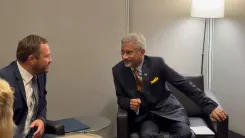
Naveen Patnaik writes to FM Sitharaman over Keonjhar tribal bank humiliation
Synopsis
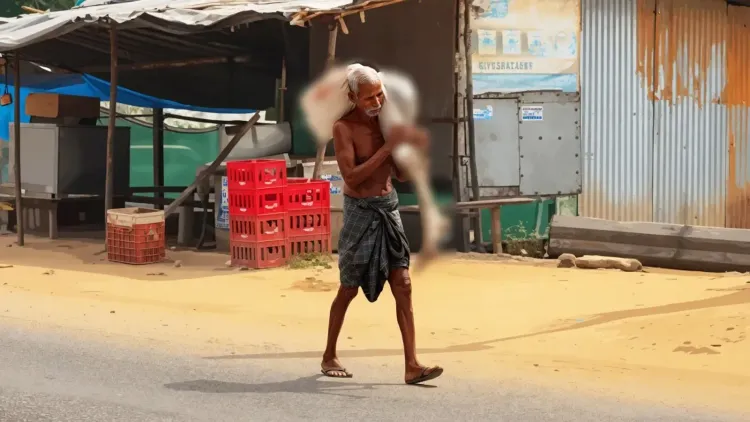
A tribal man in Keonjhar, Odisha, exhumed his deceased sister's skeletal remains and carried them to a rural bank branch just to withdraw ₹20,000 — because officials demanded proof of death. Now BJD chief Naveen Patnaik has taken the fight to Finance Minister Nirmala Sitharaman, calling it institutional humiliation and demanding immediate accountability.
Key Takeaways
Naveen Patnaik , BJD chief and LoP in Odisha, wrote to Finance Minister Nirmala Sitharaman on 2 May over the Keonjhar bank incident .
Jeetu Munda , a 50-year-old tribal man, exhumed his sister Kalra Munda's skeletal remains on 27 April to prove her death at the Malliposi branch of Odisha Gramya Bank .
The bank reportedly demanded "physical presence" before allowing withdrawal of ₹20,000 in savings.
The bank cited RBI guidelines to justify its conduct — a justification Patnaik called "inhuman" and a misuse of procedure.
Patnaik urged the Finance Minister to fix immediate accountability and push for more humane banking administration in remote tribal areas.
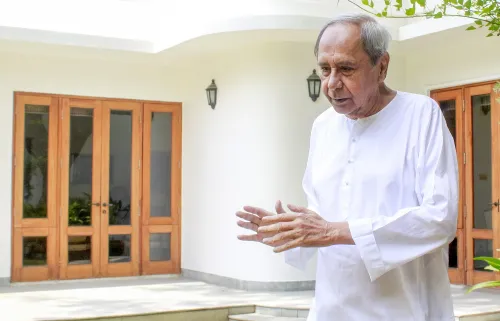
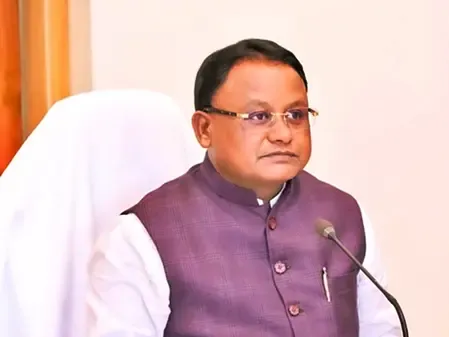
Biju Janata Dal (BJD) chief and Leader of Opposition (LoP) in the Odisha Legislative Assembly, Naveen Patnaik, on Saturday, 2 May, wrote to Union Finance Minister Nirmala Sitharaman, expressing deep anguish over a disturbing incident at the Malliposi branch of Odisha Gramya Bank in Keonjhar district, where a tribal man was forced to exhume his deceased sister's skeletal remains to prove her death and withdraw ₹20,000 in savings.
What Happened at the Keonjhar Bank
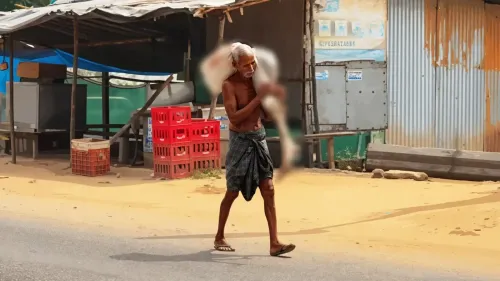
On 27 April, Jeetu Munda, a 50-year-old tribal man from Keonjhar, Odisha, took the extreme step of exhuming the remains of his sister, Kalra Munda, who had passed away in January, and carrying them to the rural bank branch. He did so after the bank reportedly demanded her "physical presence" as a condition to process the withdrawal — a requirement he was unable to meet through any other means despite making numerous visits to the branch. The incident has since drawn widespread attention in national and international media, according to Patnaik's letter.
Patnaik's Letter to the Finance Minister
In his letter, Patnaik described the episode as an act of institutional failure and a betrayal of the citizens banks are meant to serve. He quoted directly: "A tribal citizen, Mr Jeetu Munda, was forced to exhume the skeletal remains of his sister and carry it to the bank as proof of her death in order to withdraw his rightful dues. This was after numerous unsuccessful visits to the bank where he failed to get assistance or clarity from the officials."
The BJD chief was particularly critical of the bank's attempt to justify the conduct by citing adherence to Reserve Bank of India (RBI) guidelines. "What is more shocking is the bank's attempt to justify this inhuman conduct by citing adherence to RBI guidelines. This shows a disturbing intent on the part of the bank officials to hide behind procedures and abandon the very people they are meant to serve. I need not reiterate that in a democracy, rules are meant to empower citizens, not humiliate them," he wrote.
Demands: Accountability and Systemic Reform
Patnaik urged Sitharaman to fix immediate accountability for the lapse, calling it a necessary signal to all rural banks across the country. "I urge you to ensure that clear accountability is immediately fixed for this shocking lapse. This will send a clear signal to all rural banks to guarantee citizen-centric service delivery with empathy and compassion," he said.
He also framed the incident as an opportunity for broader systemic reform, particularly for banking services in remote tribal regions. "This incident, though isolated, gives us an insight to put in place a more humane banking administration, especially in remote tribal areas," Patnaik noted. He closed by expressing confidence that Sitharaman's intervention would prevent such episodes from recurring anywhere in India.
Broader Context and Public Outrage
The Keonjhar incident has reignited debate around the accessibility and sensitivity of rural banking in India, particularly for tribal and marginalised communities who often face procedural barriers when claiming legitimate dues. This is not the first time that rigid documentation requirements at rural bank branches have led to distress among vulnerable citizens — similar cases involving death certificates, nominee disputes, and physical verification demands have been reported in other states as well. The incident has reportedly outraged public sentiment across Odisha and prompted calls for the RBI to revisit its guidelines on deceased account settlements in rural contexts.
With Patnaik's letter now formally on record, pressure is mounting on the Finance Ministry to respond with both accountability measures and a policy-level review of how rural banks handle claims involving deceased account holders.
Point of View
Or as evidence of a structural gap in how deceased account settlements are handled for tribal and rural citizens across India.
NationPress
25 Sept 2026
Frequently Asked Questions
What happened at the Odisha Gramya Bank in Keonjhar?
On 27 April, tribal man Jeetu Munda exhumed his deceased sister Kalra Munda's skeletal remains and carried them to the Malliposi branch of Odisha Gramya Bank in Keonjhar to prove her death and withdraw ₹20,000 in savings. The bank had reportedly insisted on physical proof of death after multiple visits by Munda failed to resolve the matter.
Why did Naveen Patnaik write to Finance Minister Nirmala Sitharaman?
Patnaik wrote to Sitharaman to demand immediate accountability for the bank officials involved and to push for systemic reforms in rural banking, particularly for tribal communities. He called the bank's conduct inhuman and criticised its attempt to justify the situation by citing RBI guidelines.
What did the bank say about the incident?
According to Patnaik's letter, the bank justified its conduct by citing adherence to RBI guidelines. Patnaik condemned this as an attempt by officials to "hide behind procedures" and abandon the citizens they are meant to serve.
Who is Jeetu Munda and what was he trying to do?
Jeetu Munda is a 50-year-old tribal man from Keonjhar district in Odisha. He was attempting to withdraw ₹20,000 from his deceased sister Kalra Munda's account, who had passed away in January. After repeated failed visits to the bank, he resorted to exhuming her remains as proof of death.
What reforms has Patnaik demanded from the Finance Ministry?
Patnaik has urged Finance Minister Sitharaman to fix clear accountability for the lapse at the Keonjhar branch and to ensure that rural banks deliver services with empathy — especially in remote tribal areas. He has called for measures to prevent such incidents from recurring anywhere in the country.