Kerala Speaker Thiruvanchoor showcases state's parliamentary model at 69th Commonwealth Conference
Synopsis
Kerala Assembly Speaker Thiruvanchoor Radhakrishnan took Kerala's legislative model to the global stage at the 69th Commonwealth Parliamentary Conference in Cape Town, spotlighting the state's India-first subject committee system, a citizen-question mechanism in the making, and a rights-based disability framework — positioning a state legislature as an international benchmark for inclusive democratic governance.
Key Takeaways
Kerala Assembly Speaker Thiruvanchoor Radhakrishnan addressed the 69th Commonwealth Parliamentary Conference in Cape Town on 16 September 2026 .
He highlighted Kerala's subject committee system , described as the first of its kind in India , which enables specialised legislative scrutiny.
Kerala is working to allow members of the public to directly raise questions in the Assembly, deepening citizen-legislature engagement.
The state has implemented a comprehensive framework under the Rights of Persons with Disabilities Act, 2016 , covering education, healthcare, employment and social security.
Radhakrishnan, an eight-time legislator aged 76 , stressed the role of technology in making legislative bodies more accessible and efficient.
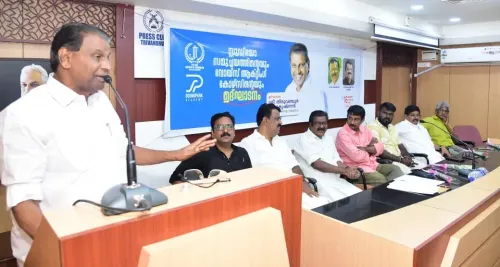
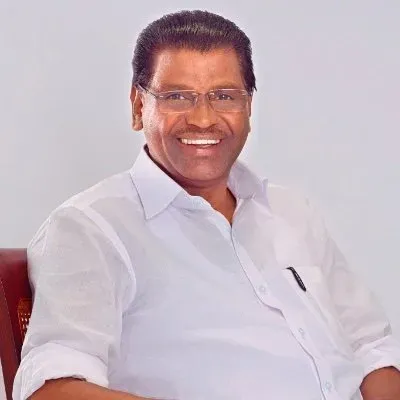
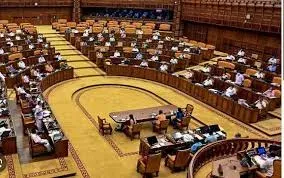
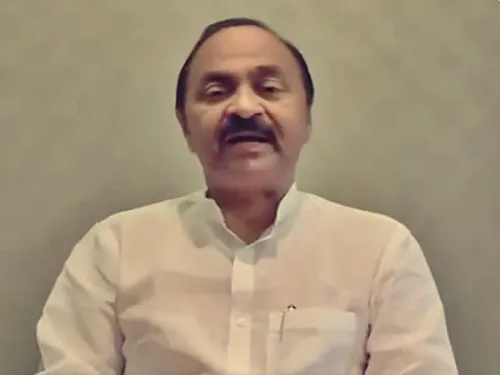
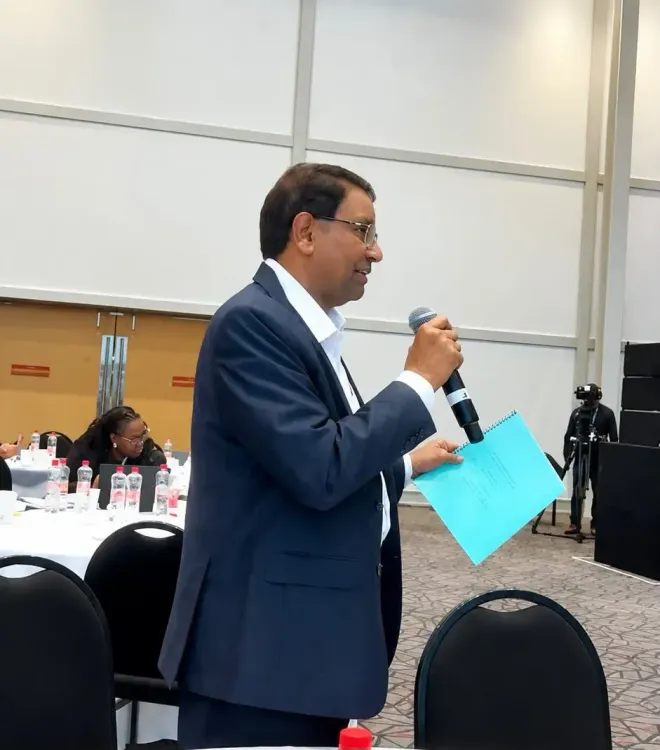
Kerala Assembly Speaker Thiruvanchoor Radhakrishnan on Wednesday, 16 September 2026, presented the state's legislative innovations and inclusive governance frameworks before parliamentarians from across the Commonwealth at the 69th Commonwealth Parliamentary Conference in Cape Town, South Africa. Speaking at the high-profile gathering, he asserted that Kerala's legislature has emerged as a reference model for democratic institutions worldwide.
Key Parliamentary Innovations Highlighted
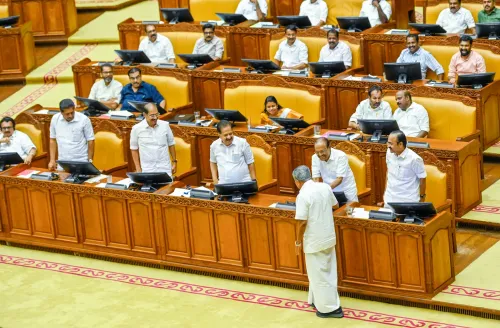
Radhakrishnan, an eight-time legislator and 76-year-old veteran of Kerala's public life, outlined several pioneering reforms introduced by the Kerala Legislative Assembly. Chief among them is the state's subject committee system — described as the first of its kind in India — which enables rigorous, specialised scrutiny of legislation and administrative matters, thereby strengthening legislative oversight beyond what a conventional committee structure allows.
The Speaker also revealed that Kerala is working to introduce a mechanism that would allow members of the public to directly raise questions in the Assembly, creating a more immediate link between citizens and the legislative process. This citizen-engagement initiative, he said, is part of a broader push to make democratic institutions more inclusive and responsive.
Rights-Based Approach for Persons with Disabilities
A significant portion of Radhakrishnan's address focused on Kerala's rights-based framework for persons with disabilities. He said the state has moved decisively beyond basic infrastructure provision, adopting instead a comprehensive approach aimed at ensuring empowerment, equality and dignity. This includes full implementation of the Rights of Persons with Disabilities Act, 2016, backed by policies spanning education, healthcare, employment and social security. The model, he argued, reframes disability governance as a matter of constitutional rights rather than welfare charity.
Technology and Democratic Accessibility
Radhakrishnan also underscored the growing role of technology in making legislatures more accessible and efficient. He said Kerala's efforts in this space are aimed at reducing barriers between citizens and their elected representatives, and at improving the speed and transparency of legislative functioning. This comes amid a wider Commonwealth-wide conversation about digital transformation in parliamentary systems.
Significance of the Cape Town Platform
The 69th Commonwealth Parliamentary Conference brought together legislators and parliamentary officials from dozens of member nations to discuss the functioning of parliamentary institutions and pathways to strengthening democratic systems globally. Kerala's inclusion in the showcase reflects the growing international recognition of the state's legislative record. Notably, the subject committee model and the disability rights framework have both drawn attention from governance researchers studying sub-national legislatures in federal democracies.
Radhakrishnan's presentation is expected to amplify interest in Kerala's legislative architecture among Commonwealth peers, potentially informing reform efforts in smaller parliamentary democracies looking for scalable models of inclusive governance.
Point of View
But the citizen-question mechanism remains at the 'steps initiated' stage, which warrants scrutiny before it earns benchmark status. More broadly, the international stage matters: when sub-national legislatures are cited at Commonwealth forums, it creates domestic pressure to sustain and deepen those reforms rather than let them stagnate after the applause fades.
NationPress
16 Sept 2026
Frequently Asked Questions
What did Kerala Assembly Speaker Thiruvanchoor Radhakrishnan present at the Commonwealth Parliamentary Conference?
He presented Kerala's legislative innovations at the 69th Commonwealth Parliamentary Conference in Cape Town on 16 September 2026, highlighting the state's subject committee system, a proposed citizen-question mechanism, and its rights-based framework for persons with disabilities. He argued that Kerala's legislature has emerged as a model for democratic institutions worldwide.
What is Kerala's subject committee system and why is it significant?
Kerala's subject committee system allows for detailed, specialised scrutiny of legislation and administrative matters and is described as the first of its kind in India. It strengthens legislative oversight by giving committees focused mandates beyond general law review, and has drawn attention from governance researchers studying federal democracies.
How is Kerala approaching disability rights in its legislative framework?
Kerala has adopted a rights-based approach under the Rights of Persons with Disabilities Act, 2016, with policies spanning education, healthcare, employment and social security. The framework is designed to ensure empowerment, equality and dignity rather than limiting support to infrastructure provision.
What is the citizen-question mechanism being developed by the Kerala Assembly?
It is a proposed initiative that would allow members of the public to directly raise questions in the Kerala Assembly, creating a more immediate link between citizens and the legislative process. As of 16 September 2026, steps have been initiated to introduce the mechanism, though it has not yet been fully implemented.
What is the 69th Commonwealth Parliamentary Conference?
It is an international gathering of parliamentarians and legislative officials from Commonwealth member nations, held in Cape Town, South Africa, focused on strengthening parliamentary institutions and democratic systems globally. Kerala's presentation at the conference is part of a broader international conversation on inclusive and technology-enabled governance.