Kerala proposes mediation to end Orthodox-Jacobite church dispute over 6 churches
Synopsis
Kerala's government has stepped directly into one of the state's most entrenched religious disputes, with Chief Minister Satheesan personally backing a mediation push to settle the Orthodox-Jacobite standoff over six churches — just days before a High Court judgment is due. After a 2017 Supreme Court ruling failed to end the conflict, the state is now betting on negotiation over litigation.
Key Takeaways
The Kerala government has proposed high-level mediation to resolve the Orthodox-Jacobite dispute over six Malankara churches .
Satheesan is personally overseeing efforts to bring both factions to the negotiating table.
The six disputed churches are located in Palakkad (3), Ernakulam (2), and Kollam (1).
A Kerala High Court division bench is scheduled to deliver its judgment on 13 August .
The Supreme Court upheld the 1934 Malankara Orthodox Syrian Church Constitution in 2017 , but implementation has faced repeated legal challenges.
Kerala has approximately 1,100 Malankara churches administered by either the Orthodox or Jacobite faction.
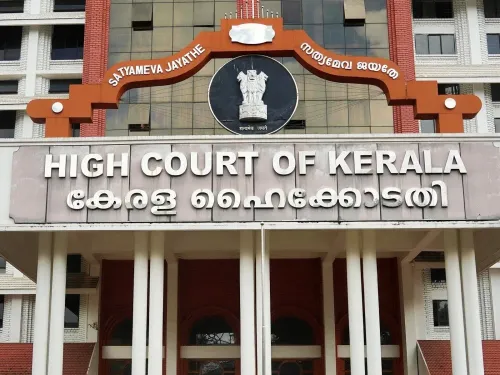
The Kerala government has proposed a high-level mediation process to resolve the decades-long dispute between the Orthodox and Jacobite factions of the Malankara Church over the administration of six churches across the state. The proposal, filed before the Kerala High Court on 8 August, confirms that Chief Minister V.D. Satheesan has personally taken up the matter and will seek to bring the denominational heads of both factions to the negotiating table.
The Mediation Proposal
The state's statement was submitted pursuant to a direction issued by the Kerala High Court on 4 August in one of seven writ appeals concerning the dispute. A division bench of Justice A.K. Jayasankaran Nambiar and Justice Preeta A.K. is scheduled to pronounce its judgment in these appeals on 13 August. The government has clarified that any settlement reached through the proposed mediation would subsequently be placed before the High Court for ratification.
The statement was filed by Chief Secretary Bishwanath Sinha through Additional Advocate General Mohammed Shah. The government acknowledged that the prolonged litigation had caused distress and suffering among parishioners of both factions and had, on several occasions, led to situations affecting public order.
The Six Disputed Churches
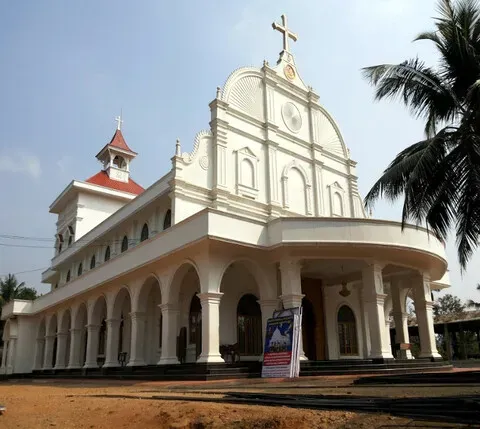
The churches at the centre of this dispute are located across three districts — three in Palakkad, two in Ernakulam, and one in Kollam. They have been the subject of prolonged legal and administrative battles between the two factions. Kerala is home to around 1,100 Malankara churches administered by either the Jacobite or Orthodox faction, though both trace their origins to the same ancient Church.
The government also noted the significant contributions made by both communities in education, healthcare, charity, and social reform — underscoring the broader civic stakes of an unresolved dispute.
A Long Legal History
The roots of this conflict run deep. The Supreme Court, in 2017, upheld the 1934 Constitution of the Malankara Orthodox Syrian Church, recognising the authority of the Orthodox faction in church administration. However, subsequent attempts to implement that judgment have repeatedly triggered resistance and fresh litigation from the Jacobite side.
In 2024, the Kerala High Court directed District Collectors to take possession of the six disputed churches. Both the state and the Jacobite faction challenged that order. After the matter reached the Supreme Court, it was remitted to the High Court for fresh consideration. The division bench subsequently set aside the direction to the Collectors to take possession, while allowing further proceedings in the related contempt case.
The Political Dimension
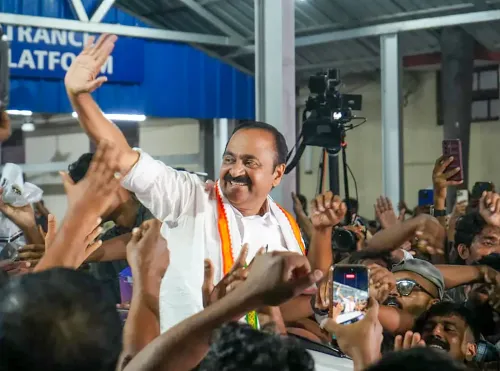
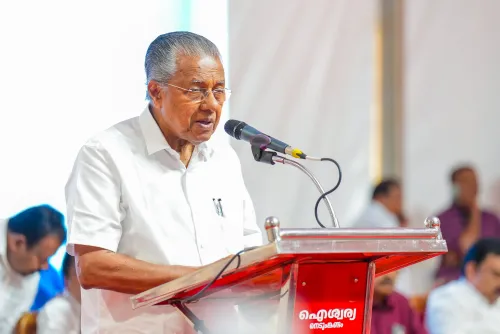
Chief Minister Satheesan had earlier expressed his desire to see an end to the decades-old dispute while participating in a Jacobite Church function held near his office in Thiruvananthapuram. With the Chief Minister now personally steering the mediation push, the government is seeking to shift the focus from prolonged courtroom battles to direct negotiations between the two factions.
This comes amid renewed urgency, with a High Court judgment expected imminently. Whether both sides agree to step back from litigation and engage in good-faith talks will determine if the state's mediation gambit can finally bring closure to one of Kerala's most enduring religious disputes.
Point of View
The state is trying to get ahead of a potentially explosive ruling. But the track record is sobering — a Supreme Court verdict in 2017 failed to settle the matter, and every subsequent enforcement attempt has reignited conflict. Satheesan's personal involvement raises the stakes: if mediation fails, the political cost lands squarely on the ruling dispensation. The real question is whether both factions have any genuine incentive to settle when years of litigation have become a form of institutional identity.
NationPress
25 Sept 2026
Frequently Asked Questions
What is the Orthodox-Jacobite church dispute in Kerala?
It is a long-running conflict between two factions of the Malankara Church — the Orthodox and Jacobite wings — over the administration of six churches in Kerala. The Supreme Court ruled in favour of the Orthodox faction in 2017, but the Jacobite side has continued to resist implementation, leading to repeated rounds of litigation and public order concerns.
Which churches are disputed between the Orthodox and Jacobite factions?
The six disputed churches are located in three Kerala districts: three in Palakkad, two in Ernakulam, and one in Kollam. They have been the subject of prolonged legal battles and, at times, incidents affecting public order.
What has the Kerala government proposed to resolve the dispute?
The Kerala government has proposed a high-level mediation process, with Chief Minister V.D. Satheesan personally working to bring the denominational heads of both factions to the negotiating table. Any settlement reached would be placed before the Kerala High Court for ratification.
What did the Supreme Court rule in 2017 about the Malankara Church?
The Supreme Court in 2017 upheld the 1934 Constitution of the Malankara Orthodox Syrian Church, recognising the authority of the Orthodox faction over church administration. However, attempts to enforce that ruling have repeatedly faced resistance from the Jacobite faction and triggered fresh litigation.
When is the Kerala High Court expected to deliver its judgment in this case?
A division bench of Justice A.K. Jayasankaran Nambiar and Justice Preeta A.K. is scheduled to pronounce its judgment in the seven related writ appeals on 13 August. The government's mediation proposal was filed ahead of this ruling in the hope of an out-of-court settlement.