Kerala's new broad-gauge high-speed rail plan: What replaces SilverLine
Synopsis
Kerala's UDF government has done what Satheesan promised in opposition — buried the ₹63,000 crore SilverLine. But the replacement is no small ambition: a 580-km broad-gauge semi-high-speed corridor at 160 kmph, with E. Sreedharan's guidance sought and 8,000 survey stones already being removed. The LDF, which staked its legacy on SilverLine, now faces the uncomfortable spectacle of its signature project being dismantled by its rivals.
Key Takeaways
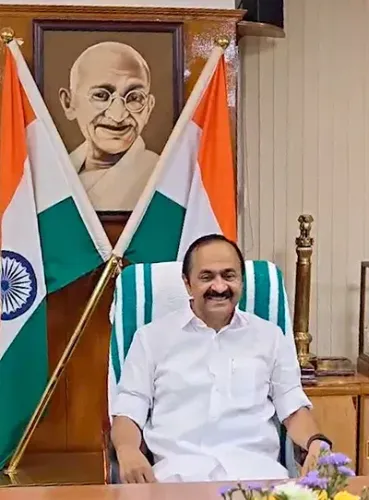
The UDF government under Chief Minister V.
Satheesan has formally scrapped the ₹63,000 crore SilverLine project.
A new broad-gauge semi-high-speed rail corridor is proposed to cover 580 km from Thiruvananthapuram to Kasaragod in approximately 4.5 hours at up to 160 kmph .
Anil Kumar has ordered removal of nearly 8,000 SilverLine survey stones at a cost of ₹1.62 crore .
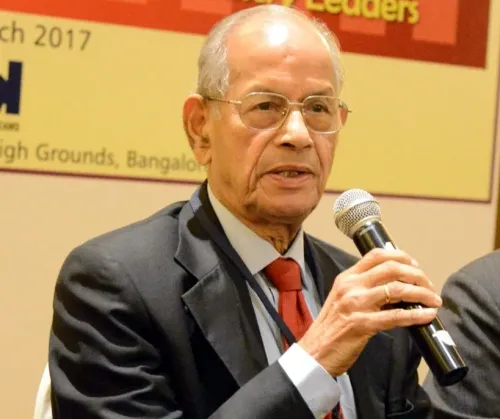
The government plans to consult infrastructure expert E.
Sreedharan before seeking Railway Ministry approvals.
The corridor may integrate RoRo freight systems linked to the Vizhinjam International Seaport , boosting cargo logistics.
A fresh feasibility study is expected to begin shortly.
The United Democratic Front (UDF) government led by Chief Minister V. D. Satheesan has formally scrapped Kerala's contentious SilverLine project and is now advancing a fresh proposal for a broad-gauge semi-high-speed rail corridor between Thiruvananthapuram and Kasaragod, reigniting one of the state's most charged infrastructure debates. The move, confirmed on 22 May, marks a decisive policy reversal with significant political and logistical implications for Kerala.
What the New Corridor Proposes
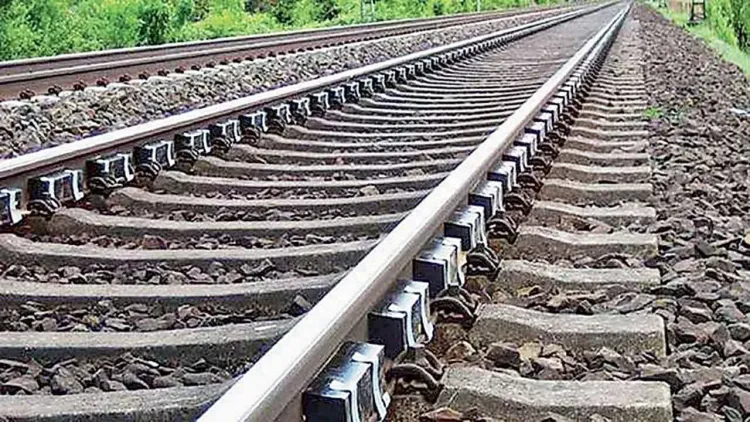
The proposed corridor would span the full 580-km north-south length of Kerala, covering the distance in approximately four-and-a-half hours with trains running at speeds of up to 160 kmph. Unlike the scrapped SilverLine, which adopted a standard-gauge track incompatible with the Indian Railways network, the new plan uses broad gauge — enabling both passenger services, including Vande Bharat Express trains, and freight movement on the same corridor.
The government is also evaluating a largely elevated alignment on pillars to limit land acquisition and reduce environmental disruption — two of the core grievances that had fuelled opposition to SilverLine.
SilverLine's Troubled Legacy
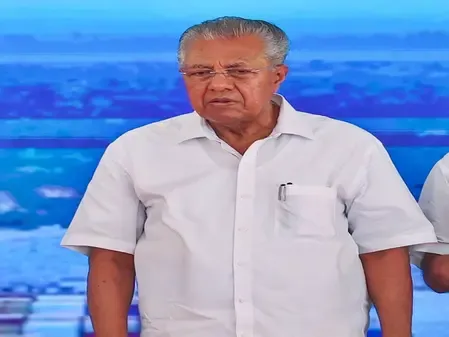
The ₹63,000 crore SilverLine project, championed by the previous Communist Party of India (Marxist)-led Left Democratic Front (LDF) government under Chief Minister Pinarayi Vijayan, had triggered widespread public resistance over land acquisition, displacement fears, and environmental concerns. The controversy intensified after the LDF administration began placing yellow survey stones across several districts, drawing protests across the state.
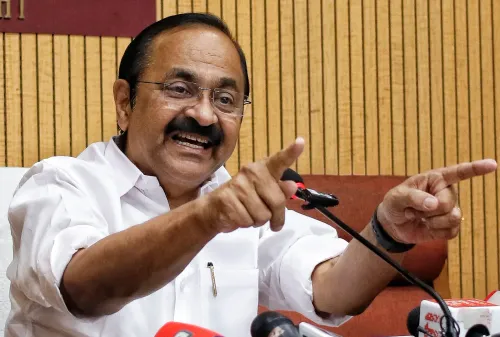
Satheesan himself, then serving as Leader of the Opposition, spearheaded one of Kerala's most visible political campaigns against SilverLine — both inside the Assembly and on the ground. He had repeatedly pledged that a UDF government would scrap what he described as a financially and environmentally unviable project.
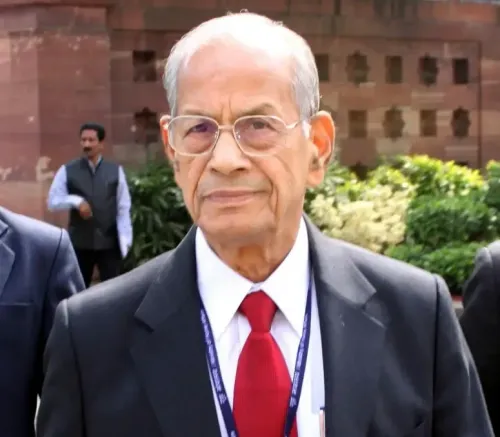
Noted infrastructure expert and former Delhi Metro chief E. Sreedharan, widely known as the 'Metro Man', had also opposed the SilverLine model, specifically questioning the adoption of standard gauge over the Indian Railways-compatible broad-gauge system.
Steps Already Taken
Revenue Minister A. P. Anil Kumar has ordered the removal of nearly 8,000 yellow boundary stones installed during the SilverLine land acquisition process, at an estimated cost of ₹1.62 crore. Landowners are also to be formally notified that acquisition proceedings have been cancelled.
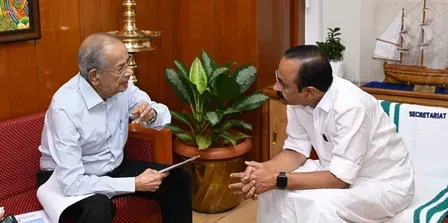
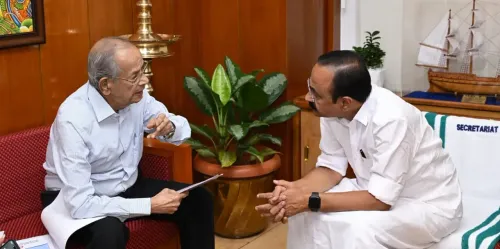
Officials have indicated that the state government intends to seek E. Sreedharan's direct guidance before approaching the Railway Ministry for technical support and approvals. A fresh feasibility study is expected to commence shortly.
Connectivity and Cargo Potential
Beyond passenger movement, the proposed corridor is expected to integrate with the existing railway network at regular intervals. It may also incorporate Roll-on/Roll-off (RoRo) freight systems linked to the Vizhinjam International Seaport, potentially providing a significant boost to cargo logistics and industrial growth in the state.
The Political Dimension
The development places the LDF opposition in an awkward position — the very project it championed has now been dismantled by the government that rose to power opposing it. Political observers are watching closely to see how the LDF, and particularly former Chief Minister Pinarayi Vijayan, frames its response to a broad-gauge alternative that addresses several of SilverLine's most criticised features. The coming months will reveal whether the new proposal can move from political symbolism to an actionable infrastructure plan.
Point of View
But the harder question is whether the new corridor avoids SilverLine's fate rather than simply repackaging it. Broad gauge and elevated alignment address the two most technically credible objections, yet the financial model, land acquisition details, and Railway Ministry buy-in remain unresolved. Kerala has a pattern of ambitious rail announcements that stall at the Centre's door — and a feasibility study, however well-intentioned, is not a sanctioned project. The LDF's discomfort is real, but the UDF's credibility will ultimately rest on whether this corridor breaks ground, not just political ground.
NationPress
19 Sept 2026
Frequently Asked Questions
Why has the Kerala government scrapped the SilverLine project?
The UDF government scrapped SilverLine because it had long opposed the ₹63,000 crore project on grounds of financial viability, environmental impact, and land acquisition concerns. Chief Minister V. D. Satheesan had pledged to cancel it during his time as Leader of the Opposition, and the government is now making good on that commitment.
What is the proposed alternative to SilverLine in Kerala?
The alternative is a broad-gauge semi-high-speed rail corridor running 580 km from Thiruvananthapuram to Kasaragod, designed to cover the distance in about four-and-a-half hours at speeds up to 160 kmph. Unlike SilverLine, it uses broad gauge compatible with the Indian Railways network and is designed to handle both passenger and freight services.
What has the government done about the SilverLine survey stones?
Revenue Minister A. P. Anil Kumar has ordered the removal of nearly 8,000 yellow boundary stones placed during the SilverLine land acquisition process, at an estimated cost of ₹1.62 crore. Landowners will also be formally notified that acquisition proceedings have been cancelled.
What role will E. Sreedharan play in the new rail project?
The Kerala government plans to seek the direct guidance of E. Sreedharan, the former Delhi Metro chief who had previously criticised SilverLine's standard-gauge design, before approaching the Railway Ministry for approvals and technical support. His involvement is seen as lending credibility to the broad-gauge approach.
How does the new corridor connect to the Vizhinjam port?
The proposed corridor may incorporate Roll-on/Roll-off freight systems linked to the Vizhinjam International Seaport, which could significantly boost cargo logistics and support industrial growth along the corridor.