Kerala forms 4-member panel to study Sreedharan's ₹60,000 crore rail plan
Synopsis
Metro Man E. Sreedharan's ₹60,000 crore high-speed rail vision for Kerala — featuring India's first fully solar-powered train service and a novel crowdfunding component — has cleared its first institutional hurdle, with Chief Minister Satheesan forming a four-member expert panel to assess it. The proposal is now the most credible successor to the politically bruising SilverLine project.
Key Takeaways
Kerala constituted a four-member expert committee on 6 June to evaluate E.
Sreedharan's high-speed rail proposal.
The committee is convened by Transport Secretary T.V.
Anupama and includes railway, finance, and environmental experts.
The proposed corridor spans 473.2 km between Thiruvananthapuram and Kannur with 23 stations , serving 2.28 lakh passengers daily .
Revised project cost stands at ₹60,000 crore , including over ₹4,000 crore for what would be India's first fully solar-powered train service .
Funding model: ₹36,000 crore from governments, ₹24,000 crore via public crowdfunding; construction proposed to be handled by DMRC .
The proposal is being considered as a replacement for the scrapped SilverLine semi-high-speed rail project.
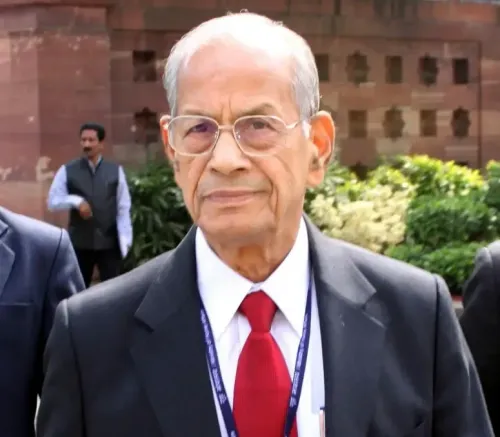
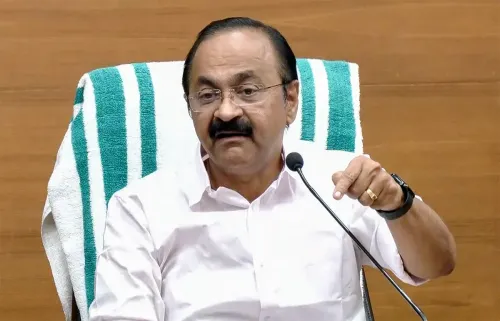
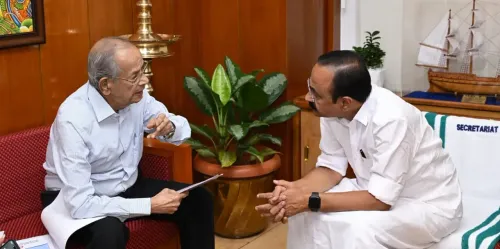
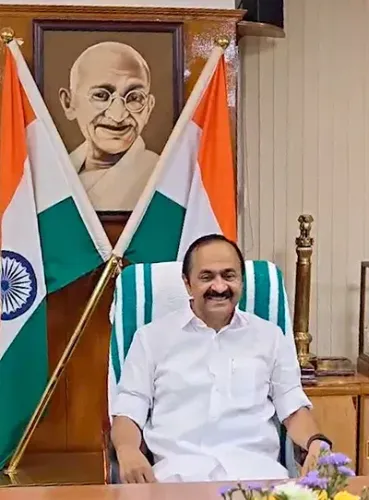
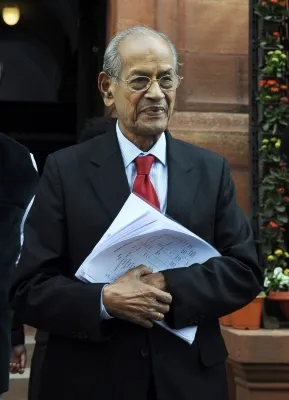
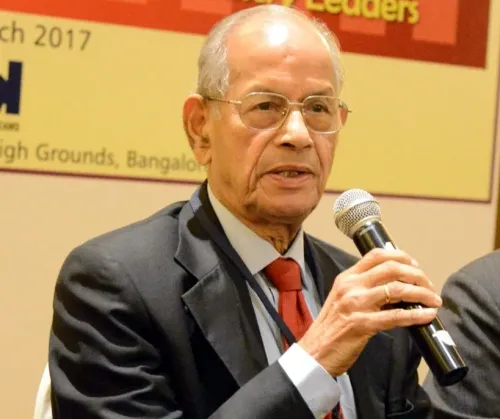
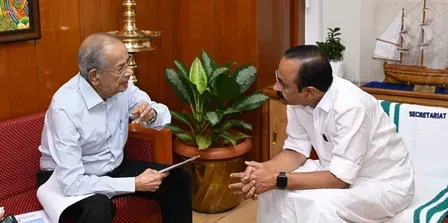
The Kerala government on Saturday, 6 June constituted a four-member expert committee to evaluate the alternative high-speed rail corridor proposed by veteran metro engineer E. Sreedharan, popularly known as Metro Man. The move follows a detailed meeting between Chief Minister V.D. Satheesan and Sreedharan at the Secretariat on 29 May, and signals that the state is seriously weighing a successor to the scrapped SilverLine project.
Committee Composition and Mandate
The committee will be convened by Transport (Railways) Secretary T.V. Anupama and includes railway expert J. Vinayan, finance expert C. Veeramani, and environmental expert Sridhar Radhakrishnan. N.S.K. Umesh, Officer on Special Duty to the Chief Minister, will assist the panel and coordinate its functioning. The committee's primary task is to scrutinise Sreedharan's interim report and assess technical, financial, and environmental viability before the government takes a final call.
What Sreedharan Has Proposed
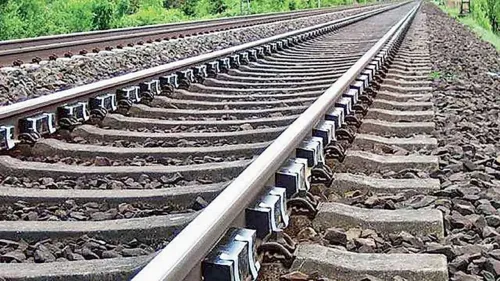
Sreedharan has presented an interim report outlining a high-speed rail corridor connecting Thiruvananthapuram and Kannur. The first phase envisages a 473.2-km route with 23 stations linking major airports across the state. Nearly three-fourths of the alignment is proposed to be elevated, with select stretches running underground to minimise land acquisition, displacement, and environmental impact.
The project estimates that only around 608 buildings would be affected. Acquired land would be leased back to original owners for agricultural use at nominal rates, though large-scale construction would not be permitted on such parcels.
Speed, Capacity, and Solar Power
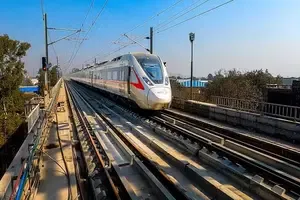
Designed around Kerala's high population density, the system proposes trains operating at speeds suited for closely spaced stations — trains above 200 km per hour are considered impractical given the frequency of stops. The plan envisions a train every five minutes, with each 12-coach rake carrying up to 800 passengers. The corridor is expected to serve approximately 2.28 lakh passengers daily and cut travel time between Thiruvananthapuram and Kannur to roughly three-and-a-half hours.
Notably, the project proposes what would be India's first fully solar-powered train service. The solar energy component alone is estimated to cost more than ₹4,000 crore, contributing to a revised total project cost of around ₹60,000 crore, up from an earlier estimate of ₹55,000 crore.
Funding Model and Construction Plan
The proposed funding structure splits the outlay between public and private sources: ₹36,000 crore would come from the Central and state governments, while the remaining ₹24,000 crore would be raised through a public crowdfunding mechanism by offering shares. Sreedharan has recommended entrusting construction to the Delhi Metro Rail Corporation (DMRC), following the Kochi Metro model, to avoid execution delays.
Why SilverLine Was Scrapped — and What Comes Next
The Satheesan-led United Democratic Front (UDF) government scrapped the Thiruvananthapuram–Kasaragod SilverLine semi-high-speed rail project soon after assuming office, citing feasibility concerns and the absence of a clear Detailed Project Report (DPR). The previous Pinarayi Vijayan-led Left government had championed SilverLine, but it drew sustained opposition over land acquisition, cost overruns, and environmental objections. Chief Minister Satheesan has maintained that Kerala needs a modern high-speed transport system and that alternative models would be explored — making Sreedharan's proposal the front-runner for that role. The government is expected to study the committee's findings before arriving at a final decision on the project.
Point of View
000 crore price tag and a crowdfunding-based ₹24,000 crore raise are ambitious in a state already under fiscal stress; the DMRC model works in denser urban corridors, but a 473-km inter-city greenfield project is a different order of complexity. The solar-powered train pitch is headline-worthy, but integrating intermittent renewable supply with a high-frequency rail network is an engineering challenge that the interim report has not yet resolved. Most critically, SilverLine failed partly because land acquisition turned politically toxic — and with 608 buildings still in the alignment, that risk has not disappeared, only been reframed.
NationPress
24 Oct 2026
Frequently Asked Questions
What is E. Sreedharan's high-speed rail proposal for Kerala?
It is a proposed 473.2-km high-speed rail corridor connecting Thiruvananthapuram and Kannur, with 23 stations and an estimated cost of ₹60,000 crore. The plan includes India's first fully solar-powered train service and envisions trains every five minutes carrying up to 800 passengers per 12-coach rake.
Why did Kerala scrap the SilverLine project?
The Satheesan-led UDF government scrapped the SilverLine semi-high-speed rail project after assuming office, citing feasibility concerns and the absence of a clear Detailed Project Report (DPR). The project, championed by the previous Pinarayi Vijayan government, had also faced sustained opposition over land acquisition, costs, and environmental impact.
Who is on the four-member expert committee?
The committee is convened by Transport (Railways) Secretary T.V. Anupama and includes railway expert J. Vinayan, finance expert C. Veeramani, and environmental expert Sridhar Radhakrishnan. N.S.K. Umesh, Officer on Special Duty to the Chief Minister, will assist and facilitate the panel.
How will Sreedharan's rail corridor be funded?
The proposed funding model splits the ₹60,000 crore outlay between ₹36,000 crore from the Central and state governments and ₹24,000 crore to be raised through a public crowdfunding mechanism by offering shares. Construction is proposed to be entrusted to the Delhi Metro Rail Corporation (DMRC).
What is the expected passenger capacity and travel time of the corridor?
The corridor is designed to serve approximately 2.28 lakh passengers daily, with trains running every five minutes. It is expected to reduce travel time between Thiruvananthapuram and Kannur to around three-and-a-half hours.