Kerala high-speed rail project alive but needs fresh studies before DPR: CM Satheesan
Synopsis
Kerala's high-speed rail corridor is alive — but barely moving. CM Satheesan has drawn a clear line: no DPR until the DMRC report is supplemented with an EIA, land acquisition data, and freight viability studies. The explicit K-Rail comparison signals the government is more worried about repeating a political disaster than missing an infrastructure milestone.
Key Takeaways
Satheesan confirmed on 15 July that the DMRC-prepared high-speed rail corridor has not been shelved.
An expert committee found the DMRC report lacks a mandatory Environmental Impact Assessment (EIA) and land acquisition details.
The government will conduct studies on financial viability, freight potential, and operational sustainability before drafting a DPR .
Satheesan explicitly cited the scrapped K-Rail project as a cautionary example to avoid.
The Cabinet also approved a new project-mapping and accountability framework to reduce delays across all state departments.
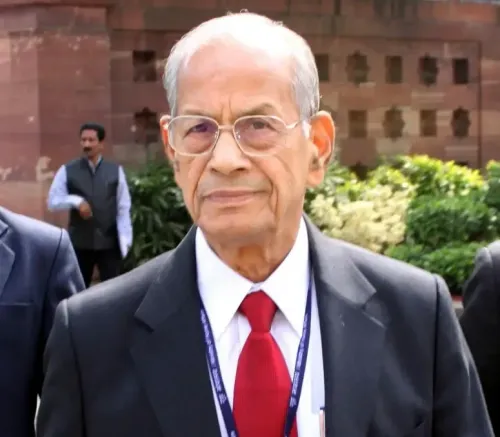
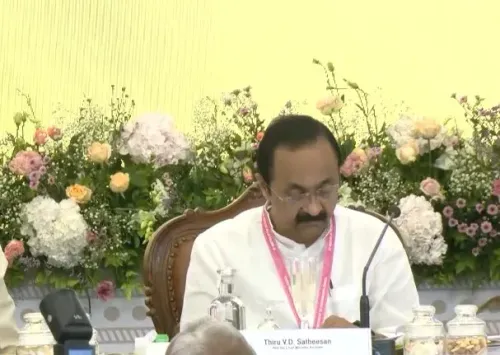
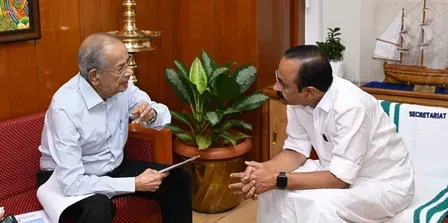
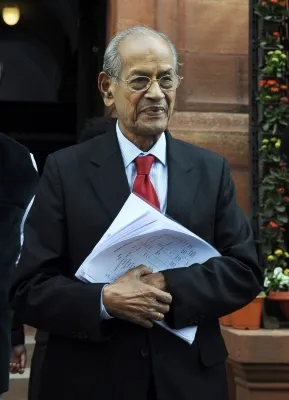
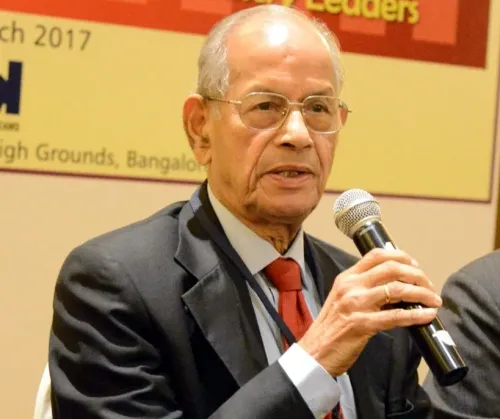
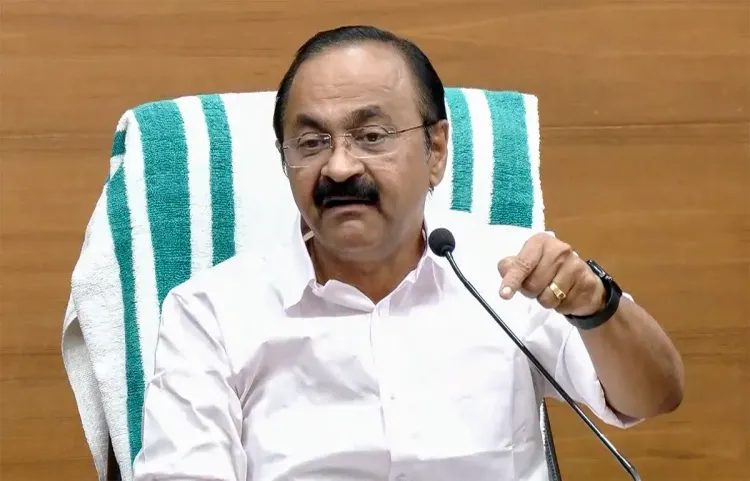
Kerala's proposed high-speed rail corridor — prepared by the Delhi Metro Rail Corporation (DMRC) under the guidance of veteran engineer E. Sreedharan — remains on the table, but the state government has made clear it will not proceed to a Detailed Project Report (DPR) until critical technical and economic studies are completed. Chief Minister V.D. Satheesan made the announcement in Thiruvananthapuram on 15 July while briefing reporters after a Cabinet meeting.
What the Expert Committee Found
An expert committee constituted by the government examined the DMRC report and submitted its recommendations. The committee concluded that while the DMRC study provides a valuable foundation, it falls short of a comprehensive project report.
Crucially, the proposal omits a mandatory Environmental Impact Assessment (EIA) and does not specify the extent of land acquisition required for the corridor — two prerequisites for any large-scale infrastructure project of this nature.
Studies Before a DPR
Chief Minister Satheesan said the government will first commission detailed studies on the project's financial and operational viability, including the potential for freight and logistics movement alongside passenger services. He noted that passenger revenue alone would be insufficient to make the corridor economically sustainable, making alternative revenue streams essential.
Only after these preliminary assessments are finalised will the government move to prepare a DPR, which will then form the basis for any final implementation decision.
The K-Rail Warning
Satheesan was pointed in his caution, invoking the fate of the previous Left government's much-publicised K-Rail project. 'We do not want to repeat the mistakes made in the much-publicised K-Rail project of the previous Left government, which ultimately had to be shelved,' he said, signalling that the current administration intends to apply greater rigour before committing public resources.
The K-Rail semi-high-speed rail project had attracted widespread controversy over land acquisition, cost escalation, and environmental concerns before being effectively abandoned — a political liability the new government is evidently keen to avoid.
Cabinet's Broader Infrastructure Push
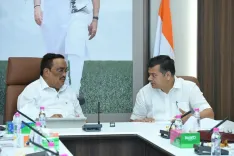
Separately, the Cabinet on Wednesday decided to strengthen project monitoring across all state departments. A comprehensive project-mapping exercise will be undertaken to identify delays that are placing a growing financial burden on the state exchequer.
The government will introduce a new accountability framework and implementation protocol aimed at ensuring timely execution of projects, fixing responsibility for delays, and improving overall efficiency in public infrastructure development. The move signals a wider effort to tighten governance over Kerala's infrastructure pipeline beyond the rail corridor alone.
What Comes Next
The sequencing is now clear: EIA, land acquisition scoping, freight viability assessment, and financial modelling must all be completed before a DPR is commissioned. There is no official timeline yet for when these studies will conclude. With a project of this scale — and given Kerala's difficult terrain and dense population — the studies themselves could take considerable time, making any near-term construction decision unlikely.
Point of View
The government avoids the political cost of cancellation while deferring the fiscal and electoral risk of commitment. The K-Rail invocation is telling — it signals that the Congress-led administration sees infrastructure caution as a vote-winner after the Left's overreach. The real question is whether the studies will produce a genuine go/no-go decision or simply extend the limbo indefinitely. Kerala's terrain, land costs, and debt position make a financially viable high-speed rail corridor genuinely difficult; without a hard deadline for the feasibility work, this risks becoming a project that is permanently 'under study.'
NationPress
13 Oct 2026
Frequently Asked Questions
Has Kerala shelved the high-speed rail corridor project?
No. Chief Minister V.D. Satheesan confirmed on 15 July that the DMRC-prepared high-speed rail corridor has not been shelved. However, the government will not proceed to a Detailed Project Report until fresh technical and economic studies are completed.
What is missing from the DMRC report on the Kerala rail corridor?
According to the expert committee appointed by the Kerala government, the DMRC report does not include a mandatory Environmental Impact Assessment (EIA) and does not specify the extent of land acquisition required. These gaps must be addressed before a DPR can be prepared.
Why did CM Satheesan mention the K-Rail project?
Satheesan cited the K-Rail semi-high-speed rail project — launched by the previous Left government and later effectively shelved amid controversy over land acquisition and costs — as a cautionary example. He said the current government does not want to repeat those mistakes.
What studies will Kerala conduct before drafting the DPR?
The government plans to assess the project's financial and operational viability, including the potential for freight and logistics movement. Passenger revenue alone is considered insufficient to sustain the corridor, so alternative revenue sources will also be evaluated.
What else did the Kerala Cabinet decide on 15 July?
The Cabinet approved a comprehensive project-mapping exercise to identify infrastructure delays burdening the state exchequer, along with a new accountability framework and implementation protocol to ensure timely execution across all state departments.