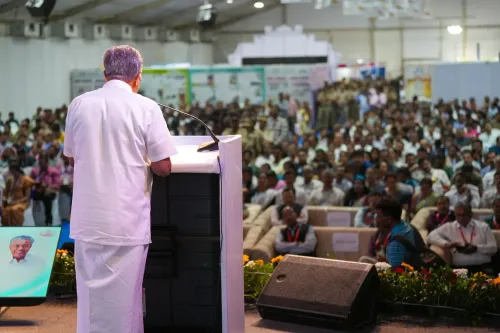
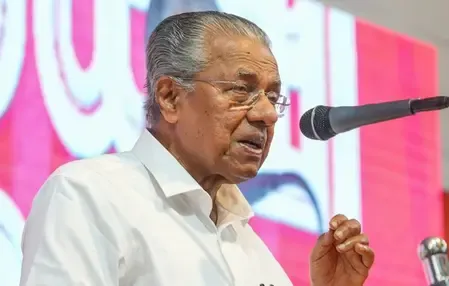
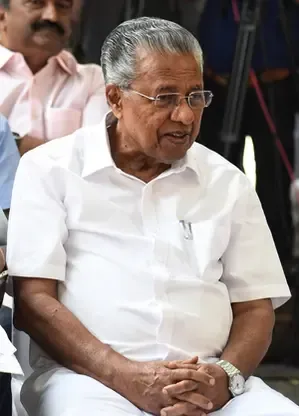
Kerala Assembly Elections: SDPI's Strategic Maneuvering Amidst Political Tensions
Synopsis
The SDPI's tactical approach for the upcoming Kerala Assembly elections is taking shape, as leader V. D. Satheesan ramps up his criticism of CM Pinarayi Vijayan. With the elections looming, the dynamics between political parties are increasingly complex.
Key Takeaways
SDPI's flexible strategy for Kerala elections focuses on constituency needs.
The party plans to combine public endorsements with 'silent support'.
Satheesan intensifies attacks on Pinarayi Vijayan .
Political tensions are escalating between the UDF and LDF .
SDPI's approach could alter the electoral landscape in Kerala.
Thiruvananthapuram, March 30 (NationPress) The Social Democratic Party of India (SDPI) has introduced a flexible, constituency-focused approach for the upcoming Kerala Assembly elections. This comes as the Leader of the Opposition, V. D. Satheesan, intensifies his critique of Chief Minister Pinarayi Vijayan regarding the SDPI's support for the LDF.
Kerala is set to vote on April 9 to select 140 new legislators.
M. K. Faizy, the national President of SDPI, announced on Monday that the party would lend support to the fronts best positioned to defeat the BJP in constituencies where they do not field candidates.
Faizy mentioned that the strategy would differ depending on the constituency, mixing public endorsements with 'silent support' via internal guidance for the party members.
In Nemom, the SDPI has opted to publicly endorse the LDF candidate to prevent a BJP victory.
Conversely, in Manjeswaram, a decision regarding support for the UDF is still pending, as the party seeks to gauge local conditions before making a directive.
Faizy emphasized that support might not always be publicly acknowledged, indicating a measured and strategic electoral involvement.
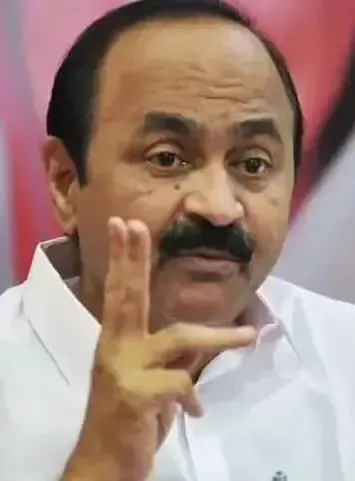
Amid these developments, Satheesan has challenged Vijayan to clarify whether he would dismiss SDPI's backing.
He accused the Left of hypocrisy, highlighting that the UDF had firmly rejected SDPI support during the parliamentary elections, while the CPI-M appears to be evasive now.
Furthermore, he claimed that the Left selectively labels groups as communal based on political expediency.
Reaffirming the UDF’s stance against both majority and minority communalism, Satheesan criticized the CPI-M for publicly advocating secularism while allegedly having covert arrangements with both the RSS and SDPI—claims that the Left has consistently refuted.
Faizy, on his part, condemned sections of the Congress in Kerala for their antagonism towards SDPI, noting that political dynamics vary across states, including Tamil Nadu, where both parties collaborate in the same alliance.
He stated that the SDPI has no obligation to support leaders who oppose them.
On governance, the SDPI refrained from labeling the LDF government a total failure, although it did point out some deficiencies.
The party has also taken a strong stance in Thalassery, where it aims to defeat the LDF candidate by nominating a robust contender.
As both political alignments and counter-accusations escalate, the SDPI’s nuanced strategy and the growing verbal conflict between the UDF and LDF add complexity to Kerala’s electoral landscape.
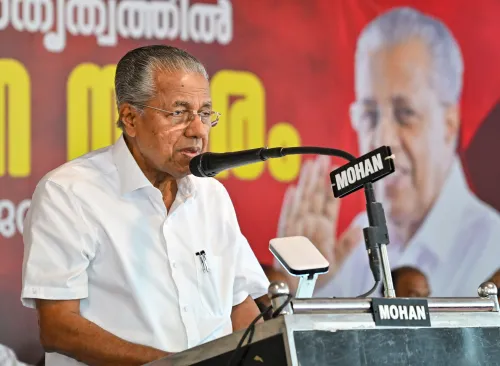
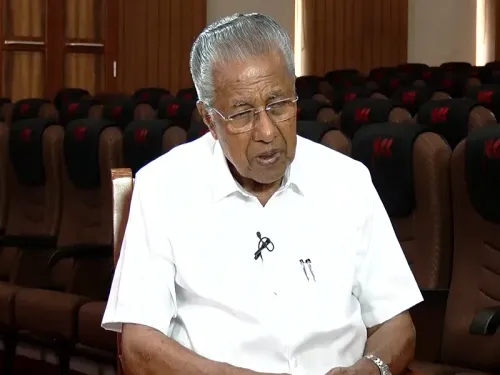
Meanwhile, as the SDPI hints at its intentions, Vijayan has shown frustration, reminiscent of previous days when questioned about his perceived 'leniency' towards the SDPI.
He has responded assertively to media inquiries regarding the SDPI.
Since this matter arose, television channels have been showcasing Vijayan’s past hardline stance against the SDPI and his criticisms of the Congress-led UDF.
On Monday, state Education Minister V. Sivankutty, who faces a challenging contest against BJP state President Rajeev Chandrasekhar in Nemom, along with two-time former Finance Minister Thomas Isaac, hinted at their intention to garner votes from all quarters.
Point of View
It is clear that the upcoming Kerala Assembly elections are characterized by strategic alliances and intense political rivalries. The SDPI's flexible positioning reflects a broader tactic to influence electoral outcomes while countering criticisms from established parties. The unfolding dynamics warrant close observation.
NationPress
28 Sept 2026
Frequently Asked Questions
What is the SDPI's strategy for the Kerala elections?
The SDPI has adopted a constituency-driven approach, supporting fronts likely to defeat the BJP in seats they are not contesting. Their strategy includes both public endorsements and 'silent support'.
When are the Kerala Assembly elections scheduled?
The elections are set to take place on April 9, where 140 new legislators will be elected.
What accusations has V. D. Satheesan made against CM Pinarayi Vijayan?
Satheesan has challenged Vijayan to clarify his stance on SDPI support and accused the Left of double standards regarding communalism.
How is the SDPI responding to criticisms from the Congress?
Faizy criticized sections of the Congress in Kerala for their hostility towards the SDPI, asserting that political dynamics differ across states.
What is the significance of the SDPI's support in constituencies?
The SDPI's support can significantly influence electoral outcomes, especially in constituencies where they choose to back candidates against the BJP.