Kerala floods death toll rises to 21, six missing; IMD warns of heavy rain
Synopsis
Kerala's monsoon toll has reached 21 dead and six missing, with Pathanamthitta district still submerged and the IMD warning of more heavy rain to come. Over 3,000 people are in relief camps, rivers remain dangerously high, and the government is under political fire over its disaster response — even as the Chief Minister heads to the worst-hit zones.
Key Takeaways
Kerala's monsoon death toll has risen to 21 , with six persons still missing as of 4 August .
Satheesan is scheduled to visit Ranni and Aranmula in Pathanamthitta on Tuesday to review relief operations.
The district administration has opened 74 relief camps sheltering more than 3,000 displaced residents.
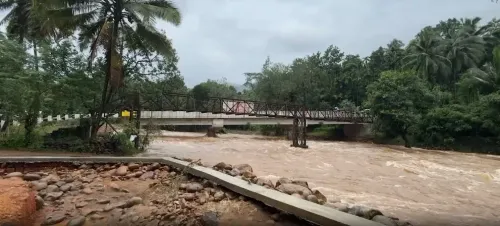
The Pamba , Achankovil , and Kakkattar rivers remain at high levels, keeping flood conditions active in Pathanamthitta.
The IMD has forecast heavy to very heavy rainfall across central and northern Kerala, raising fears of fresh flooding and landslides.
The Left Opposition has alleged coordination lapses in the government's early disaster response.
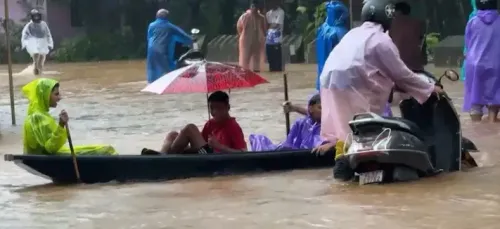
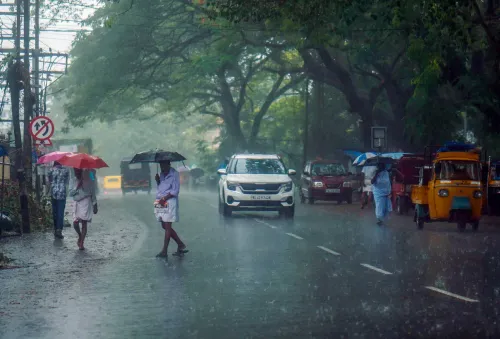
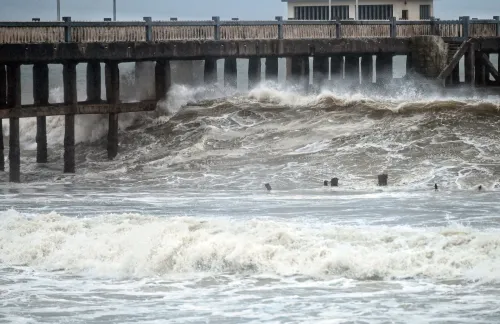
The death toll from Kerala's ongoing monsoon disaster has climbed to 21, with six persons still unaccounted for, as relentless rainfall continues to batter the state. Floods, landslides, and swollen rivers have displaced thousands, damaged homes and roads, and forced authorities to scale up rescue and relief operations across multiple districts.
Chief Minister to Visit Worst-Hit Areas
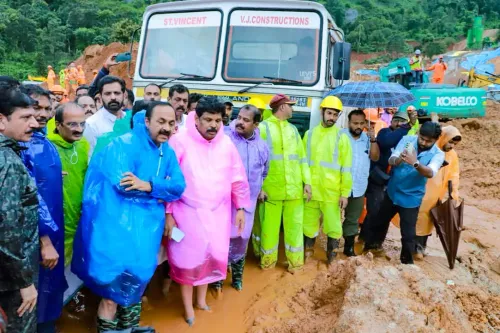
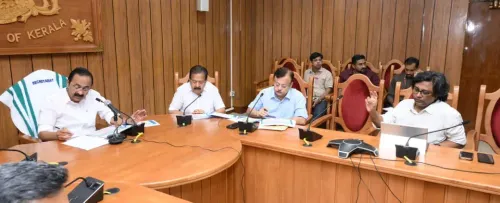
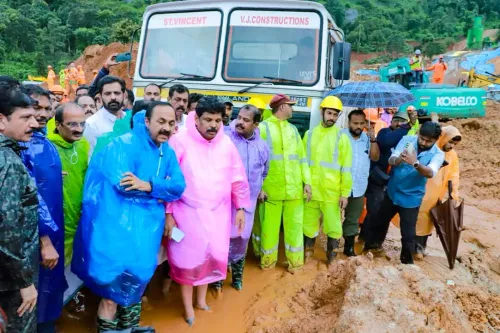
Chief Minister V.D. Satheesan is scheduled on Tuesday to visit the worst-affected areas of Ranni and Aranmula in Pathanamthitta district. His first stop will be Aranmula at noon, where he is expected to meet district officials, inspect relief camps, and review ongoing rescue operations before proceeding to other affected locations.
The visit carries political weight. The government has faced sharp criticism over its handling of the disaster, with the Left Opposition alleging coordination lapses during the critical early hours of the flooding and questioning whether faster action could have reduced casualties.
Situation on the Ground
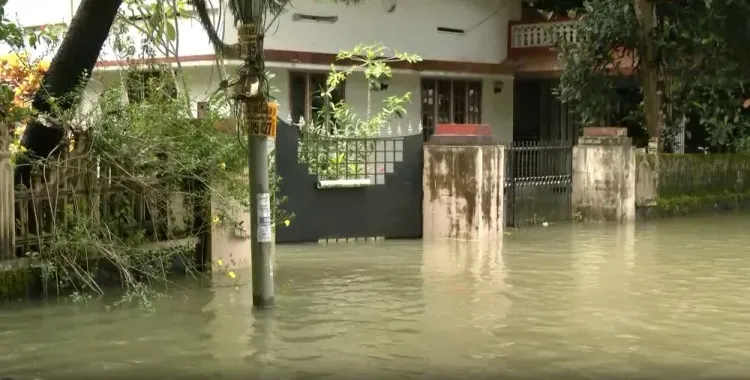
Even as rainfall eased in forest catchment areas overnight, conditions in Pathanamthitta remain fragile. Flood-like conditions persist in Ranni and Aranmula, where water levels in the Pamba, Achankovil, and Kakkattar rivers remain dangerously high. Authorities have urged residents along riverbanks to stay alert as further rain is forecast over the coming days.
The district administration has opened 74 relief camps, sheltering more than 3,000 displaced residents. Essential supplies are being distributed through these camps, while rescue teams remain on standby at vulnerable locations. The travel ban to Gavi has been extended as a precautionary measure, with officials advising against unnecessary movement to hilly and flood-prone zones.
IMD Alert: More Heavy Rain Forecast
The India Meteorological Department (IMD) has issued a forecast of heavy to very heavy rainfall across central and northern Kerala, raising concerns about fresh flooding and fresh landslide risk. With hillsides already saturated and rivers running high, meteorologists warn that even moderate additional rainfall could trigger new emergencies in vulnerable areas.
This is not Kerala's first encounter with catastrophic monsoon seasons — the state suffered devastating floods in 2018 and again in 2019, events that exposed systemic gaps in early warning infrastructure and inter-departmental coordination. Critics argue those lessons have yet to be fully institutionalised.
Relief and Response Operations
Rescue teams from the state disaster response force, civil administration, and local bodies are operating across affected districts. The Chief Minister's visit is expected to focus on strengthening disaster response coordination, ensuring relief materials reach affected families without delay, and addressing any bottlenecks in the relief camp network.
With the IMD warning of continued heavy rainfall and rivers yet to recede, authorities have cautioned that the situation could deteriorate further before it improves.
Point of View
A state that has endured catastrophic monsoon seasons since 2018, still face allegations of coordination failure at the critical early hours of each new disaster? The Left Opposition's criticism may be partisan in timing, but the underlying concern — that early-stage response remains fragmented — is one that post-flood reviews have flagged repeatedly. With the IMD warning of continued heavy rain and rivers still swollen, the immediate priority is lives; but the harder accountability reckoning, on early warning systems and inter-departmental protocols, cannot be deferred indefinitely.
NationPress
4 Aug 2026
Frequently Asked Questions
What is the current death toll from the Kerala floods?
The death toll from Kerala's ongoing monsoon disaster has risen to 21, with six persons still missing as of 4 August. Floods, landslides, and overflowing rivers have caused widespread displacement across multiple districts.
Which areas of Kerala are worst affected?
Pathanamthitta district, particularly the areas of Ranni and Aranmula, is among the worst hit. The Pamba, Achankovil, and Kakkattar rivers remain at dangerously high levels, sustaining flood-like conditions in the region.
What has the IMD forecast for Kerala?
The India Meteorological Department has forecast heavy to very heavy rainfall across central and northern Kerala. The alert raises concerns about fresh flooding and landslides, given that hillsides are already saturated and rivers are running high.
How many people are in relief camps in Kerala?
More than 3,000 displaced residents are being sheltered across 74 relief camps opened by the Pathanamthitta district administration. Essential supplies are being distributed, and rescue teams remain on standby at vulnerable locations.
Why is Chief Minister Satheesan visiting the flood-hit areas?
Chief Minister V.D. Satheesan is visiting Ranni and Aranmula in Pathanamthitta on Tuesday to assess the ground situation, meet district officials, and review relief and rescue operations. The visit also comes amid political pressure, with the Left Opposition alleging lapses in the government's early disaster response.