Kerala's Theyyam to Tholpavakoothu shine at Onam Tourism Week 2024
Synopsis
Kerala's Onam Tourism Week is doing more than celebrating a harvest festival — it is staging a quiet argument for the economic and cultural survival of over ten indigenous art forms. With a single Padayani performance sustaining 20 artists and a Padma Shri laureate calling for digital tools to cross language barriers, the week at Nishagandhi is as much a policy conversation as a cultural showcase.
Key Takeaways
Kerala's Onam Tourism Week runs from 24 to 30 August , with daily traditional performances at Nishagandhi , Thiruvananthapuram .
Ten art forms are being showcased, including Theyyam , Tholpavakoothu , Padayani , Ottamthullal , and Mudiyettu .
Padma Shri awardee Ramachandra Pulavar advocated using digital translation tools to make traditional performances accessible to international audiences.
A single Padayani performance can provide income to around 20 artists , according to veteran B Suresh Kumar .
Practitioners called for a dedicated Kerala traditional arts festival and increased funding for the Kerala Folklore Academy .
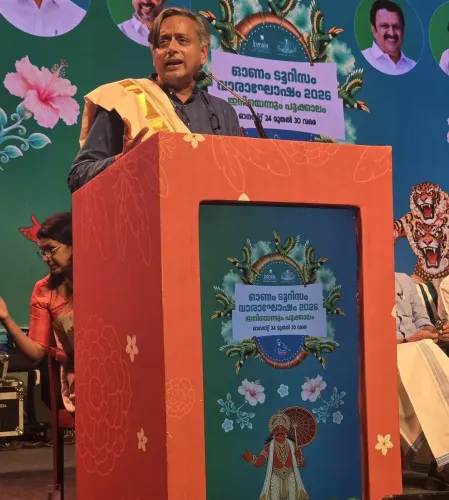
Kerala's rich tapestry of folk and indigenous art forms is drawing wider audiences during the Onam Tourism Week celebrations, with the state Tourism Department placing special emphasis on traditional performances at venues across the state from 24 to 30 August. The weeklong festival, centred at Nishagandhi in Thiruvananthapuram, is presenting a different traditional art form each day.
Art Forms on Display
The lineup at Nishagandhi spans a broad spectrum of Kerala's performance heritage — Tholpavakoothu, Padayani, Arjuna Nirtham, Poothanum Thirayum, Theyyam, Ottamthullal, Sarppappattu, Duffmutt, Mudiyettu, and Oppana are among the performances being staged. Each of these forms weaves together music, elaborate costuming, ritual, and oral tradition — many rooted in the state's mythology and district-specific histories.
What the Government Said
Kerala Tourism Minister P C Vishnunadh described traditional art forms as a cornerstone of the state's cultural tourism offering. 'These art forms bring together music, costumes, performance and traditions,' he said, adding that both the Tourism and Cultural departments were committed to taking these traditions to a broader audience. He noted that each of Kerala's districts carries at least two or three indigenous art forms, each connected to local history, mythology, and community life.
Voices from the Practitioners
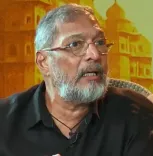
Padma Shri awardee and Tholpavakoothu exponent Ramachandra Pulavar, who led the Maveli Charitham Tholpavakoothu performance at Nishagandhi, welcomed the initiative, saying traditional artists needed larger platforms to reach new audiences. He argued that language need not remain a significant barrier, pointing to digital translation tools as a means of explaining performance techniques and narratives to visitors from different regions and countries. Pulavar himself has experimented with diverse storylines — including tales of Mahabali, Jesus Christ, and the origin of Kerala. He also recalled how filmmaker G Aravindan's visit to his home, and a puppet of Goddess Gangalekshmi, inspired the logo of the International Film Festival of Kerala.
For 72-year-old Poothanu Thira practitioner K M Unni Krishnan — who began learning the art at the age of eight and now runs the Raman Smaraka Thira Poothana Sangam — platforms such as the Onam Tourism Week are vital for both preservation and community livelihood. Padayani veteran B Suresh Kumar noted that a single performance can generate income for around 20 artists, underscoring the direct economic stakes of government-supported cultural events.
Calls for Structural Support
Practitioners used the occasion to press for longer-term institutional backing. B Suresh Kumar proposed a dedicated festival exclusively for Kerala's traditional art forms, bringing practitioners together to chart pathways for development and preservation. Arjuna Nirtham exponent Kurichi Nadeshan called for increased financial support to the Kerala Folklore Academy, arguing that sustained funding is essential to protect the state's artistic heritage from gradual erosion.
What Comes Next
The Onam Tourism Week concludes on Sunday, 30 August, bringing Kerala's classical, folk, and ethnic traditions before a wider audience that includes domestic and international tourists. The event signals a growing policy intent to position cultural heritage — not just backwaters and hill stations — as a driver of Kerala's tourism economy.
Point of View
But a week-long festival does not substitute for structural policy. Artists are being asked to perform their way to relevance while the institutional scaffolding — Folklore Academy funding, practitioner stipends, documentation — remains underfunded. The fact that a 72-year-old Poothanu Thira master and a Padma Shri laureate are both making the same plea for platforms and money at a government event suggests the state's cultural machinery has not kept pace with its tourism ambitions. Kerala markets its heritage globally; it needs to pay for it domestically.
NationPress
14 Oct 2026
Frequently Asked Questions
What is Kerala's Onam Tourism Week 2024?
It is a weeklong cultural festival organised by the Kerala Tourism Department from 24 to 30 August, featuring daily performances of traditional and folk art forms at Nishagandhi in Thiruvananthapuram and at venues across the state. The event aims to bring indigenous art forms to wider domestic and international audiences during the Onam season.
Which traditional art forms are being performed during Onam Tourism Week?
Ten art forms are featured, including Tholpavakoothu, Padayani, Arjuna Nirtham, Poothanum Thirayum, Theyyam, Ottamthullal, Sarppappattu, Duffmutt, Mudiyettu, and Oppana. Each form reflects distinct regional histories, mythologies, and performance traditions from across Kerala's districts.
Who is Ramachandra Pulavar and why is he significant?
Ramachandra Pulavar is a Padma Shri awardee and leading exponent of Tholpavakoothu, the traditional Kerala shadow-puppet theatre. He performed the Maveli Charitham Tholpavakoothu at Nishagandhi and has notably experimented with diverse narratives — including stories of Mahabali, Jesus Christ, and the origin of Kerala — to broaden the art form's appeal.
Why do traditional artists say government support is critical?
Practitioners argue that state-backed events provide both a platform and direct income — a single Padayani performance, for instance, can sustain around 20 artists. Without such support, many art forms risk dying out as practitioners struggle to earn a livelihood solely from traditional performance.
What changes are artists calling for beyond the festival?
Artists have called for a dedicated standalone festival for Kerala's traditional art forms and increased financial support for the Kerala Folklore Academy. They also want practitioners brought together to collectively develop strategies for preserving and evolving their art forms for contemporary audiences.