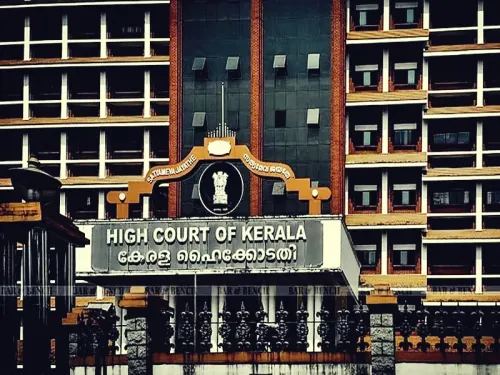
Kerala High Court Affirms Amendments to Lokayukta Act, Dismisses Chennithala's Challenge
Synopsis
In a pivotal ruling, the Kerala High Court has upheld the 2024 amendments to the Lokayukta Act, providing the state government significant relief while enforcing critical decision-making safeguards. This decision follows challenges from Congress MLA Ramesh Chennithala, highlighting ongoing debates about the Lokayukta's powers.
Key Takeaways
Kerala High Court upheld the legitimacy of the 2024 Lokayukta Act amendments .
Introduced a safeguard for decision-making timelines.
Dismissed challenges by Congress MLA Ramesh Chennithala .
Shifted authority from the Governor to the State Assembly .
Critics argue the amendments weaken anti-corruption measures.
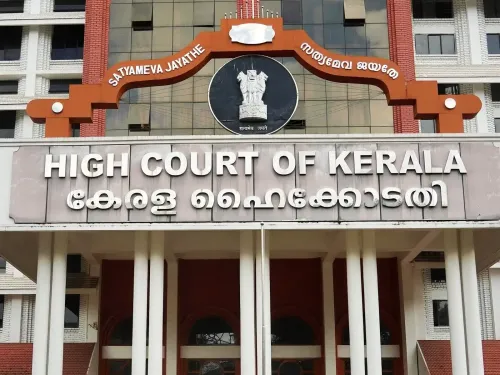
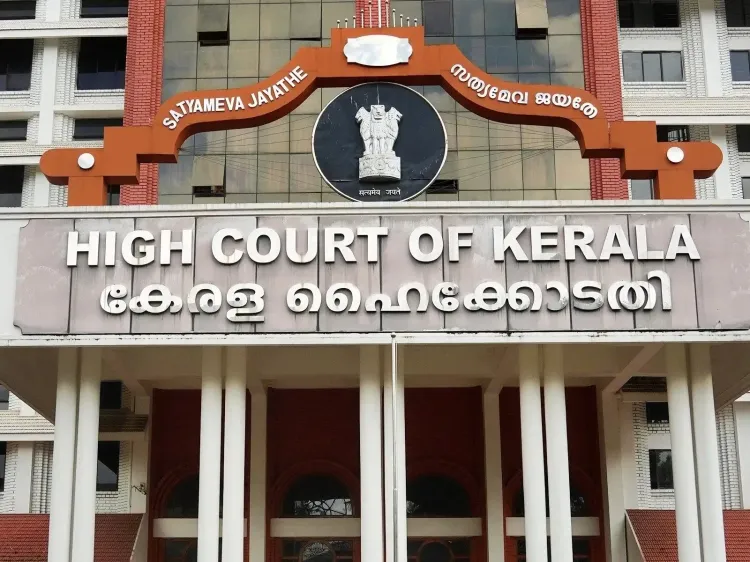
Kochi, March 31 (NationPress) On Tuesday, the Kerala High Court affirmed the constitutional legitimacy of the amendments made in 2024 to the Kerala Lokayukta Act, providing considerable relief to the state administration while also instituting a crucial safeguard regarding decision-making timeframes.
A Division Bench, which included Chief Justice Soumen Sen and Justice V.M. Syam Kumar, rejected the petitions filed by senior Congress MLA Ramesh Chennithala, who argued that the amendments were unconstitutional and infringed upon the principle of separation of powers.
In its ruling, the court stated that if the designated authority fails to respond to a Lokayukta report within three months (90 days), it shall be considered accepted.
The Bench specified that this interpretation should be incorporated into Section 12 of the Act, which pertains to the submission of reports and subsequent actions.
The amendments, introduced by the second Pinarayi Vijayan government, sparked extensive discussions as they limited the powers of the Lokayukta, particularly in its ability to recommend the dismissal of public officials found guilty of corruption.
Critics claimed that these alterations diminished the Lokayukta’s role to that of merely a recommendatory body.
Chennithala’s petition highlighted significant modifications in Sections 2, 3, and 14 of the Act. Notably, the authority to decide on recommendations involving the Chief Minister was shifted from the Governor to the State Legislative Assembly, while the Speaker was designated as the competent authority in matters concerning MLAs.
The petitioner asserted that this arrangement effectively transferred appellate powers to the ruling administration.
Moreover, the amendment to Section 3 weakened the eligibility criteria for appointing the Lokayukta by allowing former High Court judges instead of requiring a former Chief Justice.
Changes in Section 14 also permitted competent authorities to overlook Lokayukta recommendations without obligatory action.
Nonetheless, the court dismissed claims that the amendments undermined judicial powers.
The state government argued that the Lokayukta is not a judicial entity and that investigative bodies should not hold final adjudicative authority.
This ruling arrives in light of previous conflicts, including the resignation of former Minister K.T. Jaleel following a Lokayukta directive in 2021, and the ensuing examination of the Chief Minister’s Distress Relief Fund, events that indicated a shift in the government’s position on the institution.
Point of View
It's vital to recognize the implications of the Kerala High Court's ruling on the Lokayukta Act amendments. This decision underscores the delicate balance of power within governance, highlighting ongoing concerns about transparency and accountability in public service.
NationPress
19 Sept 2026
Frequently Asked Questions
What did the Kerala High Court rule regarding the Lokayukta Act?
The Kerala High Court upheld the constitutional validity of the 2024 amendments to the Lokayukta Act, ensuring that if the competent authority does not act on a Lokayukta report within three months, it is deemed accepted.
Who challenged the amendments to the Lokayukta Act?
Senior Congress MLA Ramesh Chennithala filed the petitions challenging the amendments as unconstitutional.
What changes were made to the Lokayukta's authority?
The amendments shifted decision-making authority regarding the Chief Minister from the Governor to the State Legislative Assembly and diluted eligibility criteria for appointing the Lokayukta.
What was the court's stance on judicial powers?
The court rejected arguments that the amendments encroached upon judicial powers, stating that the Lokayukta is not a judicial body.
What was the significance of this ruling?
This ruling is significant as it reinforces the government's position on the Lokayukta's powers and reflects ongoing debates about corruption and accountability in public office.