Kerala fish prices set to rise as 52-day trawling ban begins June 9
Synopsis
Every June, Kerala's trawlers go silent — but the cost is felt loudest in fish markets and fishermen's homes. The 2025 ban runs 52 days, and with neighbouring-state vessels potentially filling the gap and fuel costs already biting, operators warn the financial pain this season could be sharper than usual.
Key Takeaways
Kerala's annual 52-day trawling ban began at midnight on 9 June 2025 and runs until 31 July 2025 .
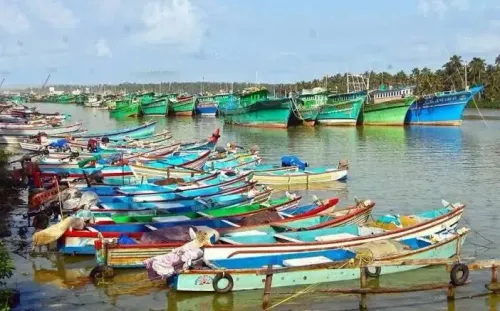
Mechanised trawlers and deep-sea vessels are barred from operating; traditional fishing crafts remain exempt.
The ban protects the monsoon spawning season of species including oil sardines .
The All Kerala Fishing Boat Operators Association has flagged risk of vessels from neighbouring states entering Kerala waters after their own ban ends on 15 June .
The state government has announced free rations and financial aid for registered fishermen during the ban period.
Fish prices across Kerala markets are expected to rise as supply tightens over the next seven weeks.
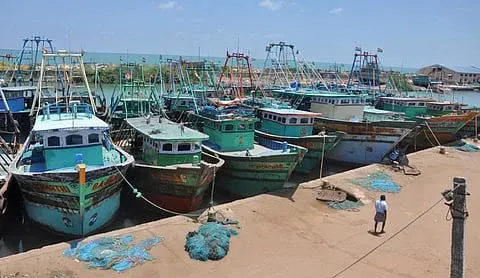
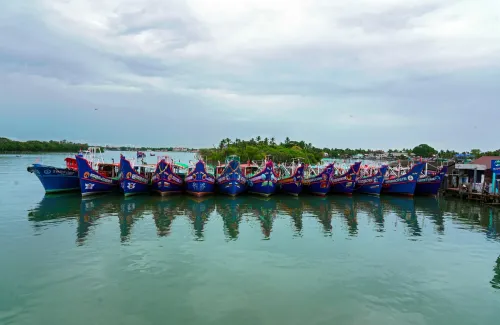
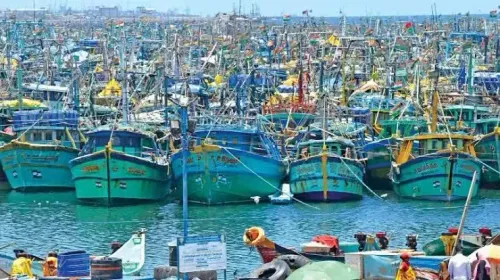
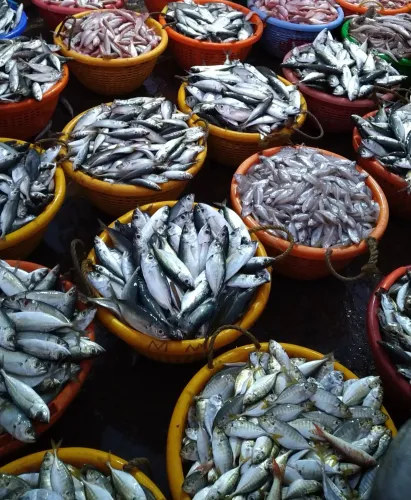
Kerala's fish markets braced for tighter supplies and higher prices on 9 June 2025 as the state's annual 52-day trawling ban came into force at midnight, keeping mechanised trawlers and deep-sea fishing vessels off the coast until 31 July. The restriction, enforced every monsoon along Kerala's coastline, is expected to squeeze availability of popular varieties and push up household costs for millions of consumers who depend on fish as a dietary staple.
Why the Ban Is in Place
The seasonal prohibition targets the monsoon breeding period of commercially significant species, most notably oil sardines. By keeping large mechanised vessels anchored during spawning, the government aims to protect marine stocks and allow fish populations to replenish. The measure is part of a nationally coordinated effort to sustain long-term fishery resources along the Arabian Sea coastline.
What Remains Operational
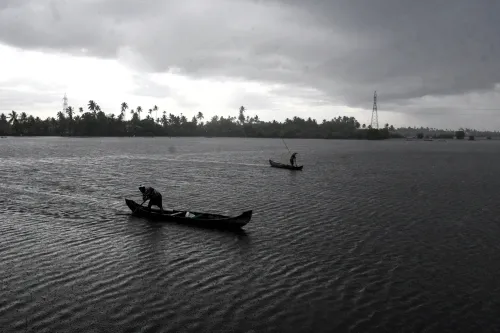
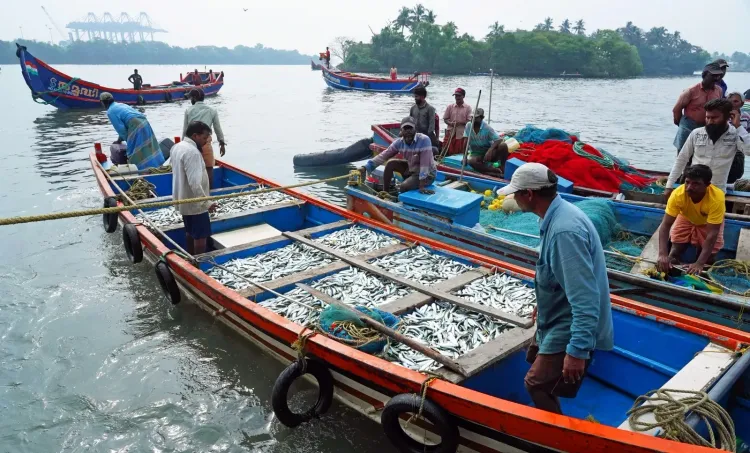
Traditional fishing crafts are exempt from the ban and will continue to operate, providing partial relief to consumers. However, their catch volumes are significantly lower than those of mechanised trawlers, meaning the gap in supply is unlikely to be fully bridged. Authorities have directed fishermen venturing out in traditional boats to carry mandatory safety equipment and valid documentation.
Enforcement Measures
The Fisheries Department has issued compliance guidelines ahead of the ban. Fishing boats from other states have been directed to exit Kerala waters, while Marine Enforcement officials and the Coastal Police will step up patrols to deter violations. Fuel outlets and diesel facilities at major fishing harbours have been shut to discourage unauthorised trawling activity.
Support for Fishermen
The state government has announced free rations and financial assistance for registered fishermen and allied workers during the lean period. Despite this, mechanised boat operators have expressed concern over the economic hit. The All Kerala Fishing Boat Operators Association has called for a complete fishing restriction throughout the ban period, alleging that vessels from neighbouring states — whose own ban ends on 15 June — could enter Kerala waters and create an uneven playing field. Operators note that declining catches and rising fuel costs had already squeezed margins before the ban took effect.
Impact on Markets and Consumers
Fish markets across the state are now preparing for what is a familiar but unavoidable monsoon challenge: reduced landings, sustained demand, and upward price pressure. For households in Thiruvananthapuram, Kochi, and other coastal districts, the next seven weeks are likely to mean smaller portions or costlier alternatives. This is the latest in a series of annual disruptions that analysts say underscore the need for better cold-storage infrastructure and supply-chain planning ahead of the monsoon window.
Point of View
But Kerala has yet to build the supply-chain buffers — cold storage, pre-ban stockpiling incentives, regulated imports from other coastal states — that would prevent it from becoming a predictable consumer crisis. The Association's concern about out-of-state vessels exploiting the gap is not new; it surfaces every year and remains unresolved. Until the state pairs conservation policy with a credible market-management plan, the monsoon ban will continue to be a seven-week tax on the households least able to absorb it.
NationPress
22 Sept 2026
Frequently Asked Questions
When does the Kerala fishing ban start and end in 2025?
The ban came into force at midnight on 9 June 2025 and will remain in effect until 31 July 2025, covering a total of 52 days. Only traditional fishing crafts are permitted to operate during this period.
Why is trawling banned in Kerala during the monsoon?
The ban protects the monsoon breeding and spawning season of commercially important marine species, including oil sardines. Allowing mechanised trawling during this window would deplete fish stocks and undermine long-term fishery sustainability.
Will fish prices rise in Kerala during the ban?
Yes, prices are widely expected to increase as mechanised trawlers — which account for the bulk of landings — remain anchored. Traditional boats will continue fishing but cannot compensate for the volume shortfall.
What support is available for fishermen during the ban?
The Kerala government has announced free rations and financial assistance for registered fishermen and allied workers for the duration of the 52-day ban period.
What is the All Kerala Fishing Boat Operators Association demanding?
The Association has demanded a complete fishing restriction throughout the ban period, arguing that vessels from neighbouring states — whose own ban ends on 15 June — could enter Kerala waters and undercut local operators who are compelled to stay ashore.