Is Kerala the First State to Develop a Comprehensive Urban Policy?

Synopsis
In a groundbreaking decision, Kerala's state Cabinet has approved an ambitious Urban Policy that is set to redefine urban development for the next 25 years, making Kerala the first state in India to adopt such a comprehensive framework. This initiative promises to create climate-smart cities and enhance economic growth while promoting inclusivity.
Key Takeaways
Kerala is the first state in India to adopt a comprehensive urban policy.
The policy aims for 80% urbanization by 2050.
Focus on creating climate-smart cities and promoting inclusivity.
Strategic planning to address urbanization challenges.
Two years of consultations shaped the final policy.
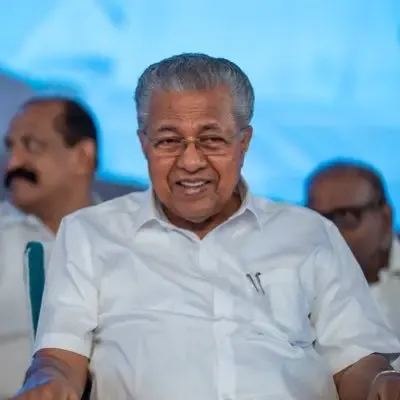
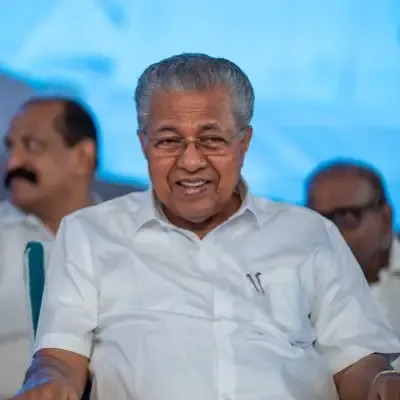
Thiruvananthapuram, Feb 13 (NationPress) In a groundbreaking move, the state Cabinet, under the leadership of Chief Minister Pinarayi Vijayan, has officially endorsed Kerala's Urban Policy, positioning the state as the first in India to develop a comprehensive urban framework aimed at steering development for the next quarter-century.
The draft policy, crafted by the Local Self-Government Department, received the Cabinet's approval following nearly two years of focused consultations and expert contributions.
This initiative was initially unveiled in the 2023–24 State Budget.
In December 2023, the Kerala government established the Kerala Urban Policy Commission, which included both national and international specialists.
The Commission presented the 'Nava Kerala Urban Policy Report' to the Chief Minister in March 2025.
A global conference was subsequently convened in Kochi in September to discuss the recommendations.
Ministers, Mayors, elected representatives, and urban experts from both India and abroad engaged in thorough discussions regarding the future direction of urbanization in the state.
The finalized policy integrates new insights that arose from these discussions.
According to the Commission's forecasts, Kerala is expected to achieve 80 percent urbanization by 2050.
Urban growth is anticipated to occur in a decentralized manner across densely populated areas between the highlands and coastal zones.
Considering the additional challenges posed by climate change, the policy aims to establish a scientific framework to manage urban expansion, particularly in vulnerable environmental regions.
The document foresees a network of climate-smart cities and towns by 2050, grounded in Kerala's tradition of decentralized governance and participatory planning.
It seeks to utilize urbanization as a catalyst for economic development while ensuring inclusivity and equitable access to urban services.
In addition to developing high-quality infrastructure, the policy aims to minimize social and spatial disparities and enhance social support systems.
Key focus areas encompass legal and institutional reforms, capacity building, governance enhancement, citizen-focused services, infrastructure development, and spatial and strategic planning, positioning Kerala's urban transformation on a solid and sustainable foundation.
Point of View
Kerala's pioneering Urban Policy reflects a significant shift in how urban development is conceptualized in India. By prioritizing inclusivity and sustainability, this initiative not only sets a precedent for other states but also demonstrates Kerala's commitment to addressing the challenges posed by rapid urbanization and climate change.
NationPress
20 Sept 2026
Frequently Asked Questions
What is the Kerala Urban Policy?
The Kerala Urban Policy is a comprehensive framework approved by the state Cabinet, aimed at guiding urban development in Kerala over the next 25 years, making it the first of its kind in India.
When was the Urban Policy approved?
The Kerala Urban Policy was approved on February 13, 2023, by the state Cabinet led by Chief Minister Pinarayi Vijayan.
What are the key focuses of the Kerala Urban Policy?
The key focuses include legal and institutional reforms, capacity building, governance enhancement, citizen-centric services, infrastructure development, and strategic urban planning.
What is the projected urbanization rate for Kerala by 2050?
According to the Commission's estimates, Kerala is projected to achieve 80 percent urbanization by 2050.
How does the Urban Policy address climate change?
The policy aims to provide a scientific framework for managing urban growth in environmentally fragile areas and envisions climate-smart cities by 2050.