Is the Rs 1,800 Crore Health Initiative a Game-Changer for Kerala's Elections?
Synopsis
As Kerala gears up for elections, the government announces a monumental health infrastructure expansion worth over Rs 1,800 crore, focusing on oncology, organ transplantation, and traditional medicine. What does this mean for voters and the state's future?
Key Takeaways
Investment of Rs 1,800 crore in health infrastructure.
Focus on oncology and organ transplantation.
Expansion of medical education facilities.
Strengthening of Ayurvedic research and manufacturing.
Strategic political messaging ahead of elections.
Thiruvananthapuram, Feb 3 (NationPress) As the Assembly elections draw near, the government of Kerala is launching one of its most significant health infrastructure expansions to date, revealing projects exceeding Rs 1,800 crore across various sectors including oncology, organ transplantation, medical education, and traditional medicine.
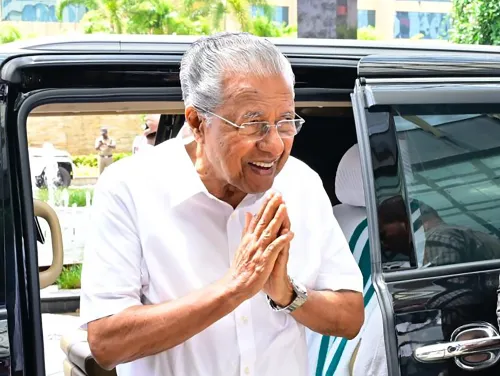
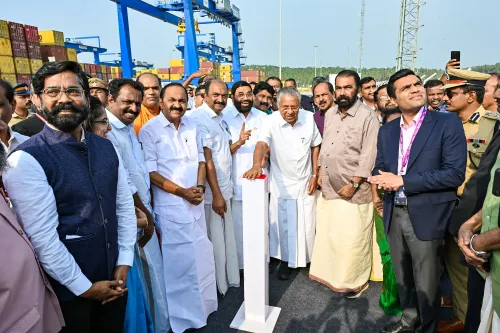
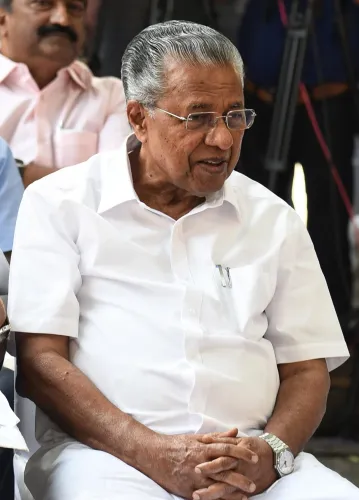
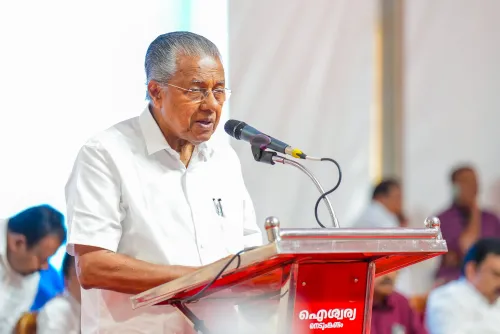
Chief Minister Pinarayi Vijayan is scheduled to inaugurate these projects throughout a busy February, reinforcing the government's commitment to welfare-oriented capital investments.
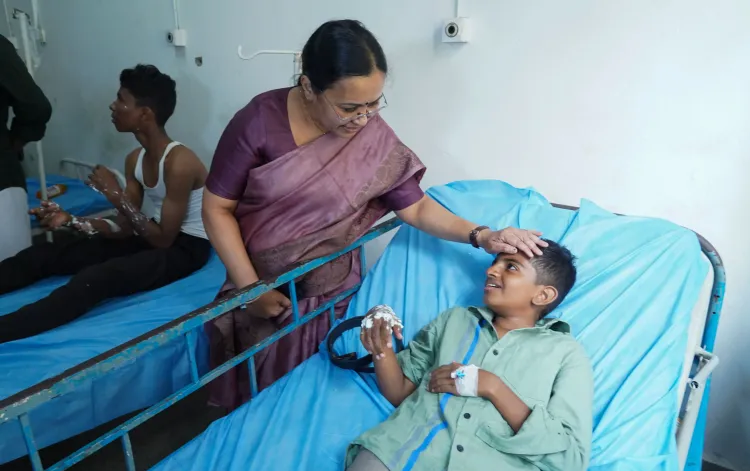
On Tuesday, State Health Minister Veena George highlighted key initiatives, including the Rs 643.88-crore Institute of Organ Transplantation in Kozhikode, aimed at serving as a center of excellence for treatment, research, and training.
Initially operating from Kozhikode Medical College, this institute is expected to lessen Kerala's reliance on transplant services from other states while bolstering organ donation systems.
Cancer treatment is a focal point of this investment initiative.
The Rs 387-crore Cochin Cancer Research Centre and the Rs 242.42-crore expansion at the Regional Cancer Centre in Thiruvananthapuram together signify a substantial enhancement of tertiary oncology services.
These initiatives aim to alleviate patient burdens, minimize waiting times, and enhance access to advanced treatments closer to home, providing both economic and social benefits.
Additionally, medical education and hospital infrastructure are being prioritized.
The Rs 257-crore surgical block at Kottayam Medical College significantly boosts bed capacity, ICU facilities, and operating theatres, supported by an investment of Rs 115 crore in advanced medical equipment.
In tandem, the expansion of HOMCO at Alappuzha indicates renewed governmental support for Ayurveda-related manufacturing and job creation.
The International Research Institute of Ayurveda in Kannur, which has seen Rs 200 crore allocated for its first phase, positions Kerala as a leader in traditional medicine research, potentially paving the way for medical tourism and international collaborations.
While some critics may raise concerns about fiscal strain, the Kerala government is confident that these visible, substantial investments in healthcare will resonate positively with the electorate.
As the election season approaches, Kerala's healthcare initiative serves as both a statement of development and a strategically crafted political message.
Point of View
The Kerala government's significant investment in healthcare ahead of the elections highlights a strategic approach to garner public support. While fiscal sustainability is a concern, the emphasis on health infrastructure could sway voter sentiment favorably. It remains to be seen how these developments will impact the political landscape in the state.
NationPress
26 Sept 2026
Frequently Asked Questions
What are the main projects included in the Kerala health initiative?
The initiative includes significant projects such as the Rs 643.88-crore Institute of Organ Transplantation, the Rs 387-crore Cochin Cancer Research Centre, and the Rs 257-crore surgical block at Kottayam Medical College.
How will these projects impact healthcare in Kerala?
These projects aim to enhance healthcare access, reduce patient waiting times, and improve treatment options for residents, thereby strengthening the overall health infrastructure in the state.
When will the inauguration of these projects take place?
The inauguration is scheduled throughout February, with Chief Minister Pinarayi Vijayan leading the ceremonies.
Is there an emphasis on traditional medicine in this initiative?
Yes, the initiative includes projects like the International Research Institute of Ayurveda in Kannur, reinforcing Kerala's commitment to traditional medicine and potential medical tourism.
What are the political implications of this health investment?
This health push is viewed as a strategic move to resonate with voters as elections approach, showcasing the government's commitment to welfare and development.