Umar Khalid, Sharjeel Imam bail pleas listed in Supreme Court
Synopsis
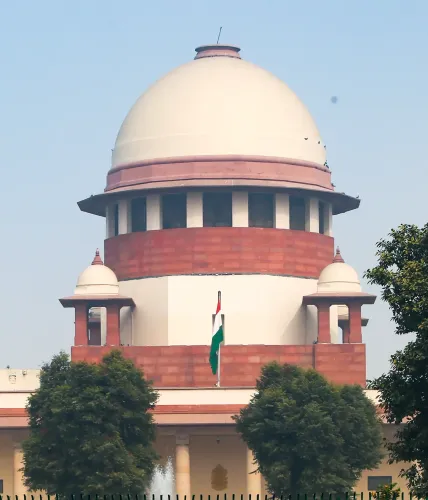
The Supreme Court is set to hear Umar Khalid and Sharjeel Imam's challenges to the rejection of their fresh bail pleas. The Delhi High Court held it could not alter conditions the top court set in January 2026 for the two activists to reapply.
Key Takeaways
The Supreme Court has listed separate bail petitions by Umar Khalid and Sharjeel Imam for Wednesday .
The activists challenge a Delhi High Court judgment that upheld the trial court's refusal of regular bail.
On 5 January 2026 , the Supreme Court allowed them to reapply after key prosecution witnesses were examined or after a year, whichever came first.
The High Court held it could not alter the conditions set by the Supreme Court .
The case concerns an alleged conspiracy behind violence in northeast Delhi in February 2020 , in which 53 people were killed.
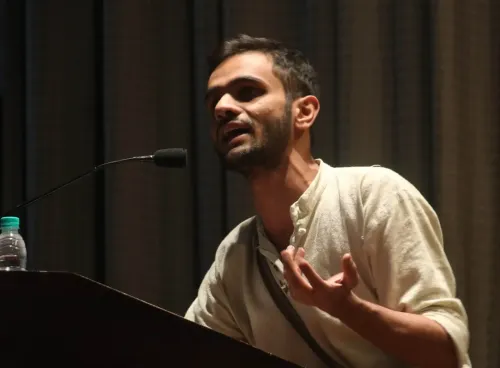
The Supreme Court is scheduled to hear the separate bail pleas of jailed student activists Umar Khalid and Sharjeel Imam on Wednesday in the alleged 2020 northeast Delhi riots conspiracy case. They have challenged a Delhi High Court judgment that rejected their fresh appeals for regular bail.
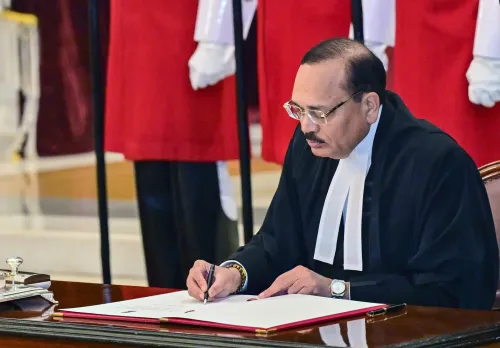
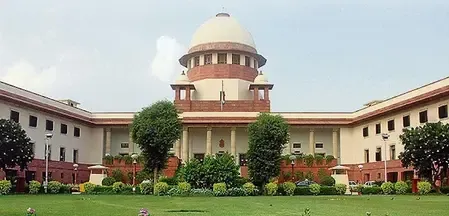
According to the court's published cause list, a bench led by Chief Justice of India Surya Kant, with Justices Joymalya Bagchi and V. Mohana, is scheduled to consider both petitions. The source report does not specify the date of the proposed hearing beyond Wednesday.
Challenge to High Court ruling
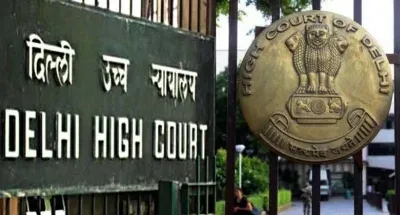
The petitions contest a common judgment delivered on 30 September by a Delhi High Court division bench of Justices Prathiba M. Singh and Dinesh Bhatt. The bench rejected appeals against the trial court's 4 July 2026 orders refusing regular bail to the two activists.
Khalid's petition has been registered as SLP (Crl.) No. 22342/2026, while Imam's is SLP (Crl.) No. 22241/2026. Both matters are listed separately, according to the cause list.
Conditions set in earlier bail order
On 5 January 2026, the Supreme Court declined bail to Khalid and Imam, but allowed them to apply again after key prosecution witnesses had been examined or a year had passed from the judgment, whichever came first.
The High Court held that it could not change those conditions or go beyond the liberty expressly granted by the Supreme Court. It also noted that the top court had distinguished the alleged roles of the two men from those of co-accused who had obtained bail.
According to the High Court, the earlier Supreme Court ruling described their alleged roles as “masterminds” and “core conspirators”. Those descriptions concern the alleged conspiracy; the source does not report a conviction.
Arguments for fresh bail
Khalid and Imam returned to the trial court in June 2026, citing developments since the earlier order. These included remarks by the Supreme Court about prolonged incarceration and trial delays in a different Unlawful Activities (Prevention) Act case, as well as the additional time they had spent in jail.
They also referred to interim bail granted to co-accused Tasleem Ahmed and Khalid Saifi. The High Court, however, held that those cases were not comparable to the cases of Khalid and Imam.
After the trial court dismissed their applications, the activists argued before the High Court that the trial was unlikely to finish soon. They contended that continued detention without substantial progress justified another assessment of bail.
Background to the Delhi riots case
The case concerns an alleged larger conspiracy behind communal violence in northeast Delhi in February 2020. The violence killed 53 people and injured several others.
In its 5 January 2026 order, the Supreme Court granted bail to five co-accused: Gulfisha Fatima, Meeran Haider, Shifa Ur Rehman, Mohd. Saleem Khan and Shadab Ahmed. It declined relief to Khalid and Imam while setting out the circumstances in which they could reapply.
The scheduled hearing will give the Supreme Court an opportunity to consider their challenges to the subsequent High Court judgment.
Point of View
While the petitioners say continued incarceration and limited trial progress warrant reconsideration. Public confidence depends on a transparent assessment of both those conditions and the pace of the proceedings.
NationPress
25 Nov 2026
Frequently Asked Questions
What will the Supreme Court hear in the Umar Khalid and Sharjeel Imam case?
The Supreme Court is scheduled to hear their separate challenges to the Delhi High Court's rejection of their fresh bail appeals in the 2020 Delhi riots conspiracy case. The matters are listed for Wednesday.
Why did the Delhi High Court reject their fresh bail appeals?
The High Court held that it could not go beyond the conditions set by the Supreme Court when it declined bail in January 2026. It also said the cases of two co-accused who received interim bail were not comparable.
What conditions did the Supreme Court set for a fresh bail application?
The Supreme Court said Khalid and Imam could reapply after key prosecution witnesses were examined or a year after its 5 January 2026 judgment, whichever occurred first.
What reasons did Khalid and Imam give for seeking bail again?
They cited additional time in jail, interim bail granted to co-accused and Supreme Court remarks on prolonged incarceration in a different UAPA case. They also argued that their trial was unlikely to conclude soon.
What is the Delhi riots conspiracy case about?
The case concerns an alleged larger conspiracy behind the communal violence in northeast Delhi in February 2020. The violence killed 53 people and injured several others.