Umar Khalid, Sharjeel Imam move SC against Delhi HC bail denial in 2020 riots case
Synopsis
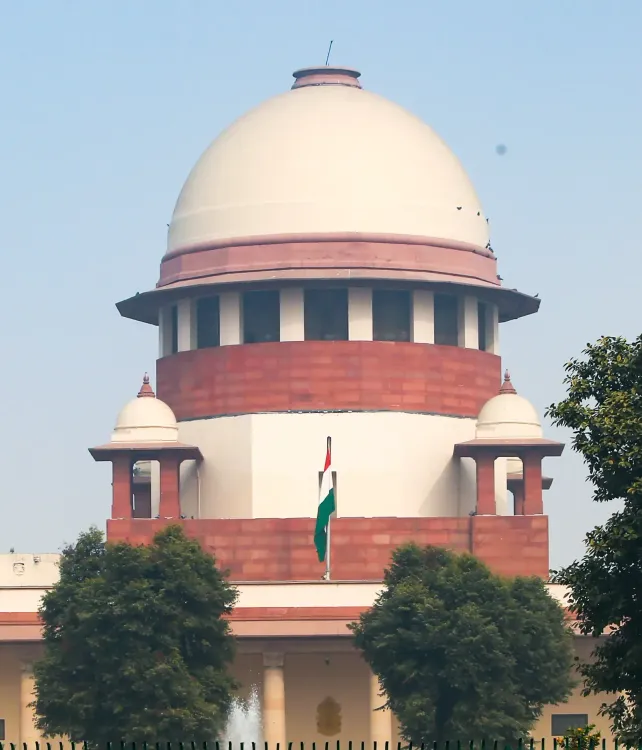
More than six years after the 2020 northeast Delhi riots, Umar Khalid and Sharjeel Imam — categorised by courts as alleged 'masterminds' — have escalated their bail battle to the Supreme Court after the Delhi High Court ruled it had no power to override conditions the apex court itself had set. With a larger bench already examining whether UAPA's bail bar can be crossed on grounds of prolonged incarceration, their petitions arrive at a pivotal legal moment.
Key Takeaways
Umar Khalid and Sharjeel Imam filed separate Special Leave Petitions in the Supreme Court on 4 November 2026 .
The petitions challenge a 30 September 2026 Delhi High Court judgment rejecting their fresh bail pleas in the 2020 northeast Delhi riots larger conspiracy case.
Both are charged under the UAPA and have been in custody for several years; the riots killed 53 people in February 2020 .
The Delhi High Court held that subordinate courts cannot modify the specific bail conditions imposed by the Supreme Court in its 5 January 2026 order.
The apex court has separately referred to a larger bench the question of whether prolonged incarceration and trial delay can justify bail under Section 43D(5) of the UAPA .
Five co-accused were granted bail by the Supreme Court in January 2026; Tasleem Ahmed and Khalid Saifi have received six months' interim bail more recently.
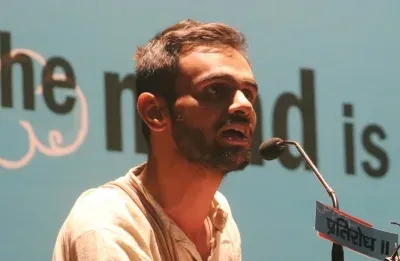
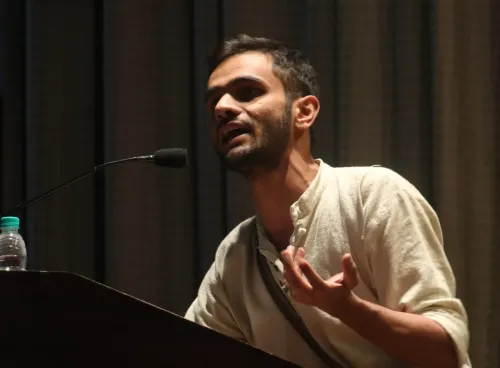
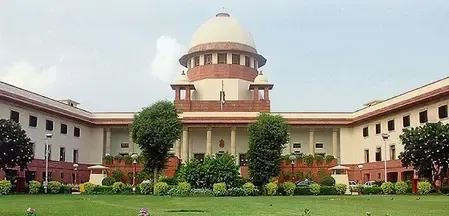
Jailed student activists Umar Khalid and Sharjeel Imam have separately approached the Supreme Court, challenging the Delhi High Court's rejection of their fresh bail pleas in the alleged larger conspiracy behind the 2020 northeast Delhi riots case. Both petitions, filed on 4 November 2026, are listed on the apex court's official website and challenge a common judgment that upheld a trial court's refusal of regular bail.
Details of the Supreme Court Petitions
Khalid's petition has been registered as Diary No. 70020/2026, while Imam's plea carries Diary No. 70106/2026. Both are currently shown as 'Cases under Defect List valid for 90 Days', meaning they are yet to be formally listed for hearing. Khalid is being represented by advocate N. Sai Vinod, while Imam's petition has been filed through advocate Fauzia Shakil.
What the Delhi High Court Held
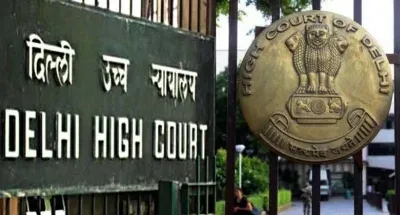
The petitions challenge a common judgment delivered on 30 September 2026 by a Division Bench of the Delhi High Court comprising Justice Prathiba M. Singh and Justice Dinesh Bhatt. The bench had rejected the duo's appeals against the trial court's 4 July 2026 orders refusing them regular bail.
The High Court held that it could not expand or modify the specific conditions imposed by the Supreme Court when it had declined bail to Khalid and Imam in its 5 January 2026 judgment. The apex court, in that earlier order, had granted them liberty to renew bail applications either after the examination of protected prosecution witnesses or upon the expiry of one year from that date, whichever came earlier.
Notably, the High Court drew a clear distinction between the alleged roles of Khalid and Imam and those of co-accused who had been granted bail, observing that the apex court had itself categorised the two as alleged 'masterminds' and 'core conspirators' in the larger conspiracy. It further held that no submission had been made showing that the prosecution had deliberately delayed the trial, attributing any delay to proceedings initiated by a co-accused and circumstances beyond the parties' control.
Why the Duo Approached the Trial Court Earlier
In June 2026, Khalid and Imam had approached the trial court — before escalating to the High Court — citing a clutch of subsequent developments. These included the Supreme Court's observations in another Unlawful Activities (Prevention) Act (UAPA) case concerning prolonged incarceration and trial delay, the grant of interim bail to co-accused Tasleem Ahmed and Khalid Saifi, and the extended period of their own custody. The trial court rejected those applications, prompting the High Court challenge.
Before the High Court, they had argued that the trial was unlikely to conclude in the foreseeable future and that continued incarceration without meaningful progress in proceedings warranted a fresh look at their bail. The High Court disagreed, finding that the Supreme Court's earlier conditions bound all subordinate courts.
Background: The 2020 Northeast Delhi Riots Case
The case stems from the communal violence that erupted in northeast Delhi in February 2020, in which 53 people were killed and several others injured. Khalid, Imam, and several others were booked under the UAPA and other penal provisions on allegations of being part of a 'larger conspiracy' behind the riots. Both have remained in custody for several years.
On 5 January 2026, the Supreme Court had granted bail to five co-accused — Gulfisha Fatima, Meeran Haider, Shifa Ur Rehman, Mohd. Saleem Khan, and Shadab Ahmed — while declining relief to Khalid and Imam. More recently, the apex court granted six months' interim bail to Tasleem Ahmed and Khalid Saifi, simultaneously referring to a larger bench the broader question of whether prolonged incarceration and trial delay can justify bail despite the stringent restrictions under Section 43D(5) of the UAPA. That referral question is now squarely relevant to Khalid and Imam's fresh petitions before the Supreme Court.
The outcome of those petitions, and the larger bench's ruling on Section 43D(5), could have significant implications for other undertrials held under the UAPA across the country.
Point of View
The constitutional cost of prolonged pre-trial detention grows harder to justify. Courts have so far avoided confronting that tension directly — the larger bench referral may finally force the reckoning.
NationPress
5 Nov 2026
Frequently Asked Questions
Why have Umar Khalid and Sharjeel Imam approached the Supreme Court now?
They filed Special Leave Petitions on 4 November 2026, challenging the Delhi High Court's 30 September 2026 judgment that rejected their fresh bail applications in the 2020 northeast Delhi riots UAPA case. The High Court held that it could not modify conditions imposed by the Supreme Court in its own earlier bail-denial order.
What did the Delhi High Court say when it rejected their bail?
The Delhi High Court ruled that subordinate courts, including the High Court itself, cannot expand or modify the specific liberty granted by the Supreme Court in its 5 January 2026 order. It also held that Khalid and Imam's alleged roles as 'masterminds' and 'core conspirators' distinguished them from co-accused who had been granted bail.
What is the 2020 northeast Delhi riots larger conspiracy case?
The case relates to the communal violence that broke out in northeast Delhi in February 2020, in which 53 people were killed and several others were injured. Investigators alleged a 'larger conspiracy' behind the riots, and multiple individuals — including Khalid and Imam — were booked under the UAPA and other penal provisions.
Why were some co-accused granted bail while Khalid and Imam were not?
The Supreme Court, in its 5 January 2026 order, granted bail to five co-accused — Gulfisha Fatima, Meeran Haider, Shifa Ur Rehman, Mohd. Saleem Khan, and Shadab Ahmed — while declining relief to Khalid and Imam. Courts have drawn a distinction based on the alleged roles, categorising Khalid and Imam as 'masterminds' with a more serious alleged involvement.
What is the broader legal question now before a Supreme Court larger bench?
The Supreme Court has referred to a larger bench the question of whether prolonged incarceration and significant delay in trial can justify the grant of bail despite the stringent restrictions under Section 43D(5) of the UAPA. The outcome of that referral is directly relevant to Khalid and Imam's fresh petitions.