Is Punjab facing a resurgence of Khalistani activities?
Synopsis
Khalistani factions are attempting to gauge public sentiment in Punjab, signaling potential escalation. Intelligence agencies warn that seemingly isolated incidents of provocation could lead to larger issues if youth engagement increases. The impact of these soft pushes is crucial as India intensifies its vigilance against such threats.
Key Takeaways
Khalistani factions are probing public sentiment in Punjab.
Incidents are aimed at gauging youth reactions.
Heavy crackdowns hinder the movement's resurgence.
Corruption within ranks is a significant issue.
International cooperation is essential to counter the threat.
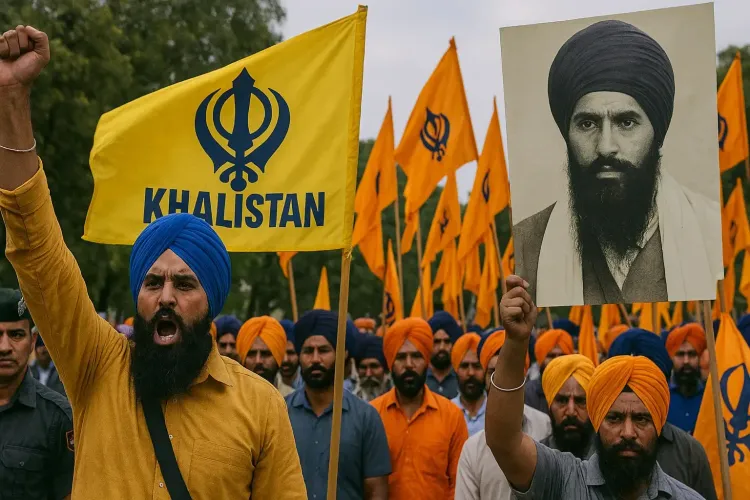
New Delhi, Jan 29 (NationPress) The situation in Punjab is once again being probed by Khalistani factions, which may indicate a forthcoming escalation. Having orchestrated and incited attacks in India from overseas, these militant groups aim to amplify their initiatives as they recognize that their cause is struggling to gain popularity in Punjab.
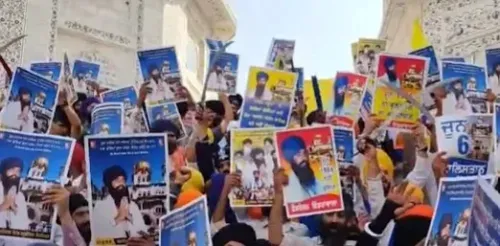
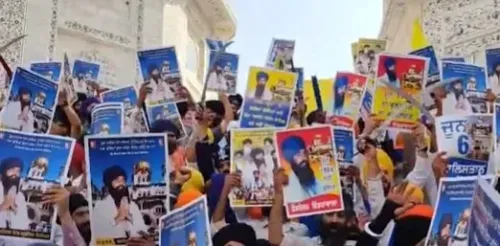
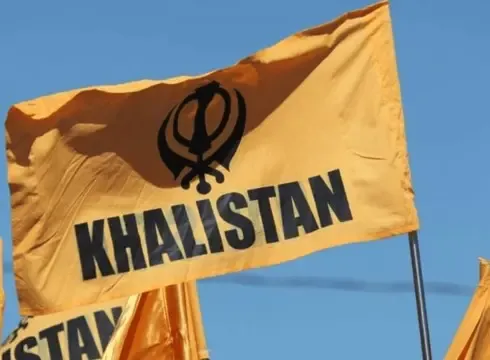
On January 26, an incident involving a Khalistani flag was reported at the Golden Temple, indicating their soft attempts to gauge public sentiment. An Intelligence Bureau official noted that these provocations are intended to instigate the local government, although he cautioned that similar occurrences would likely unfold on a much smaller scale throughout Punjab.
These operations are not only economical but also bear a minimal risk of detection. Initially, the Khalistani factions may attempt to downplay these acts as isolated events. They will subsequently assess youth reactions, and should they find any level of acceptance, a recruitment initiative could follow, according to officials.
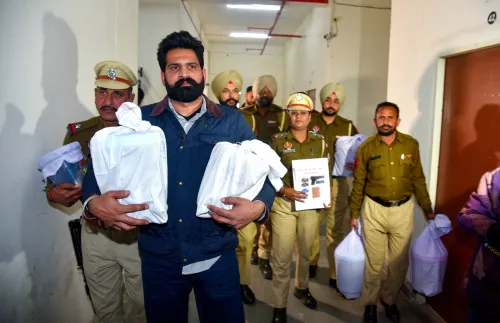
Both the National Investigation Agency (NIA) and the Punjab police have launched significant crackdowns on these elements, which explains why the Khalistan movement struggles to gain a foothold in Punjab. Police officials express gratitude to the senior citizens who have experienced the turmoil of the past when Punjab was engulfed in violence due to the Khalistan issue. These elders have advised the youth to steer clear of such paths, emphasizing that it will only lead to destruction.
Moreover, Khalistani operatives abroad are facing pressure from both their ranks and the ISI. Frequent inquiries arise regarding the stagnation of operations in Punjab.
An Intelligence Bureau official mentioned that aside from stringent surveillance, the other reason for the stagnation is a lack of financial resources. Although the ISI has funded initiatives through drug, arms, and ammunition sales, they also collect money under the guise of human rights legal aid.
The official highlighted ongoing corruption within the movement's overseas ranks, where many individuals have embezzled funds instead of employing them to rejuvenate the movement in India. Figures like Gurpatwant Singh Pannun, leader of Sikhs for Justice (SFJ), engage in online rhetoric while leading extravagant lifestyles.
All these factors have inhibited the Khalistan movement's resurgence in Punjab. However, intelligence agencies assert that security forces must remain vigilant regarding this soft push from these factions.
An official emphasized that these actions should not be dismissed as mere acts of minor vandalism but should be taken seriously, as there is actionable intelligence concerning the intentions of these groups.
Khalistanis who have thrived abroad due to sympathetic governments are now facing mounting pressure. India has successfully urged countries such as Canada and the UK to take action against these factions. "We have consistently provided numerous dossiers detailing their activities," another official stated.
Although agencies abroad recognized the threat, political leniency has hindered actions. Nevertheless, India has conveyed to these nations that Khalistanis exploit free speech to advance their agenda, illustrating the risks they pose not only to India but also to their own territories.
With financial support dwindling and the narrative from abroad faltering, an increased effort is anticipated in Punjab, according to intelligence assessments. Indian security forces are equipped to address this challenge on the ground. However, officials warn that this soft push must be curtailed, as it could rapidly escalate into a significant issue if it resonates with the youth.
Point of View
I assert that the ongoing attempts by Khalistani factions to re-establish their influence in Punjab should be monitored closely. The local population, along with law enforcement agencies, must remain vigilant to prevent any resurgence of violence, as history has shown the devastating impact of such movements.
NationPress
9 Oct 2026
Frequently Asked Questions
What are the Khalistani elements attempting in Punjab?
The Khalistani factions are testing the waters for potential resurgence by provoking incidents to gauge public sentiment.
Why is the Khalistani movement struggling in Punjab?
Heavy crackdowns by the NIA and Punjab police, along with public resistance and corruption within the movement, are contributing factors.
What role does the ISI play in funding Khalistani operations?
The ISI provides financial support through various means, including drug sales, while also raising funds under the pretense of human rights.
How is India addressing the Khalistani threat from abroad?
India has successfully pressured countries like Canada and the UK to take action against Khalistani elements by providing them with detailed dossiers.
What should be the response to the soft push by Khalistani factions?
Authorities must remain vigilant and take these provocations seriously, as they could lead to larger issues if not addressed.