CM Pema Khandu shares dawn video of Gongkhar-La Lake at 15,700 ft
Synopsis
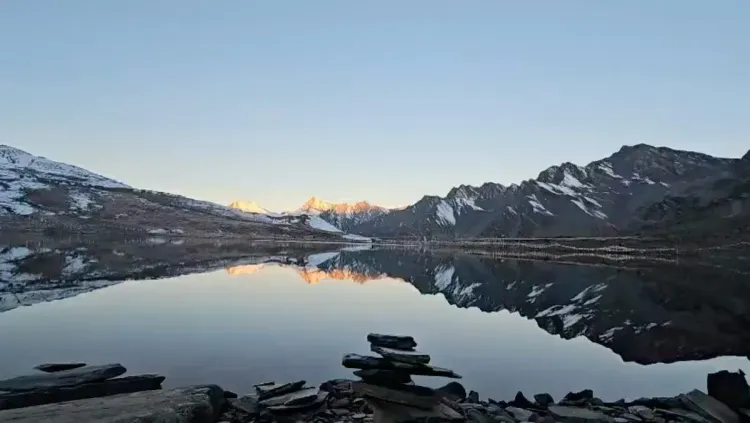
Arunachal Pradesh CM Pema Khandu shared a dawn video of Gongkhar-La Lake, a high-altitude water body at 15,700 feet, filmed by Honjon Perme — spotlighting the state's largely undiscovered alpine natural heritage.
Key Takeaways
Gongkhar-La Lake sits at 15,700 feet above sea level in Arunachal Pradesh .
CM Pema Khandu shared a dawn video of the lake on 18 October 2026 .
The video was recorded by local videographer Honjon Perme , who was credited in the post.
Arunachal Pradesh borders China, Bhutan, and Myanmar and features numerous high-altitude lakes as part of its natural heritage.
The post continues a pattern of state leaders using social media to promote regional landscapes and drive tourism visibility.
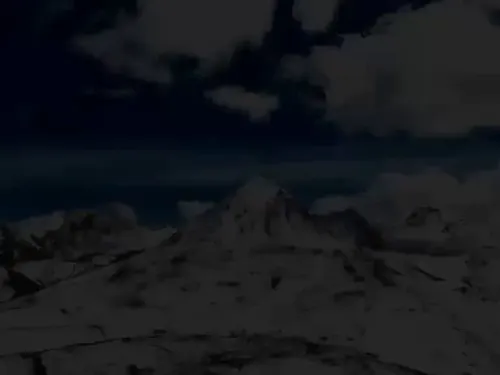
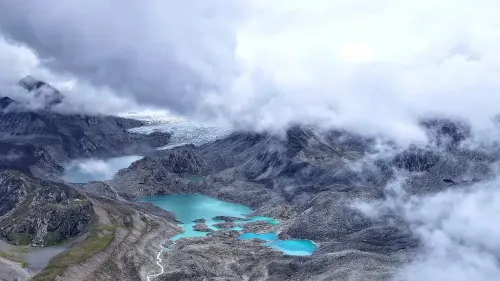
At 15,700 feet above sea level, the world goes quiet — and Arunachal Pradesh Chief Minister Pema Khandu wants the rest of India to see why. On Sunday, 18 October 2026, Khandu shared a dawn video of Gongkhar-La Lake, a high-altitude gem tucked inside the state's mountainous interior, calling it 'a breathtaking glimpse of the untouched beauty of our mountains.'
The footage, credited to videographer Honjon Perme, captures the lake in its early-morning stillness — the kind of frame that no promotional brochure quite manages to manufacture. Gongkhar-La sits among the many high-altitude lakes that dot Arunachal Pradesh, the northeastern Indian state that shares borders with China, Bhutan, and Myanmar and whose terrain rises dramatically from subtropical valleys to alpine ridgelines.Gongkhar-La and Arunachal's high-altitude lake heritage
Arunachal Pradesh is home to a constellation of high-altitude lakes, many of them sacred to local communities and relatively unknown beyond the state. At 15,700 feet, Gongkhar-La sits in rarified air — literally and figuratively — placing it among the more extreme natural sites in India's northeast. The state's documented natural heritage includes dozens of such water bodies, each shaped by glacial and tectonic forces across millennia.
State leaders across India have increasingly turned to social media as a first-person showcase for regional landscapes, and Khandu has been a consistent voice in that tradition for Arunachal. A single viral dawn video can do more for a destination's visibility than a season of official campaigns.
Honjon Perme's lens and the power of local documentation
The credit line matters. By naming Honjon Perme as the videographer, Khandu shines a light on the local storytellers who document these landscapes — often at considerable personal effort, given the altitude and remoteness involved. It is a small but pointed gesture toward the community of local photographers and filmmakers who are, in practice, the first archivists of Arunachal's wild places.
For the state's tourism sector and local communities near such sites, visibility at the Chief Minister's level carries real weight. An uptick in interest from trekkers and nature tourists could follow — and with it, the perennial question of how to balance access with preservation at fragile, high-altitude ecosystems.
Gongkhar-La at dawn is one frame. The bigger picture it opens — of a vast, still-undiscovered northeast — is the real story Khandu is betting on.Point of View
This kind of organic visual storytelling is increasingly important. Crediting a local videographer also signals an awareness that authentic, community-rooted content travels farther than polished official imagery. If the video gains traction, it could accelerate calls for structured eco-tourism frameworks around Arunachal's fragile alpine lakes.
NationPress
18 Oct 2026
Frequently Asked Questions
Where is Gongkhar-La Lake located?
Gongkhar-La Lake is located in Arunachal Pradesh , northeastern India, at an altitude of 15,700 feet above sea level .
Who filmed the Gongkhar-La Lake video?
The dawn video of Gongkhar-La Lake was filmed by Honjon Perme , a videographer credited directly by CM Pema Khandu in his post.
How high is Gongkhar-La Lake?
Gongkhar-La Lake sits at 15,700 feet (approximately 4,785 metres) above sea level , placing it among the high-altitude lakes of Arunachal Pradesh.
Can tourists visit Gongkhar-La Lake in Arunachal Pradesh?
Arunachal Pradesh features numerous high-altitude lakes that are part of its natural heritage, though access to remote sites like Gongkhar-La typically requires Inner Line Permits (ILP) and significant trekking effort given the extreme altitude.