Khattar Chairs PMAY-Urban Review, Pushes for Faster Delivery
Synopsis
Union Minister Manohar Lal Khattar chaired a wide-ranging review of Pradhan Mantri Awas Yojana (Urban) on 21 October 2026, pushing for accelerated construction, time-bound beneficiary delivery, and sharper resolution of ground-level implementation challenges under PM Modi's Housing for All mission.
Key Takeaways
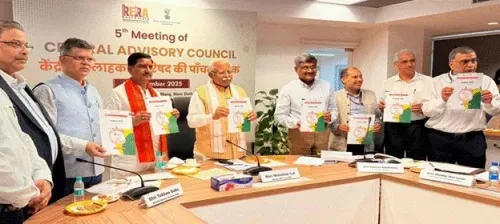
Union Minister Manohar Lal Khattar held a detailed review meeting on Pradhan Mantri Awas Yojana (Urban) on 21 October 2026 .
The meeting focused on three priorities: timely delivery of benefits , accelerating construction , and resolving implementation bottlenecks .
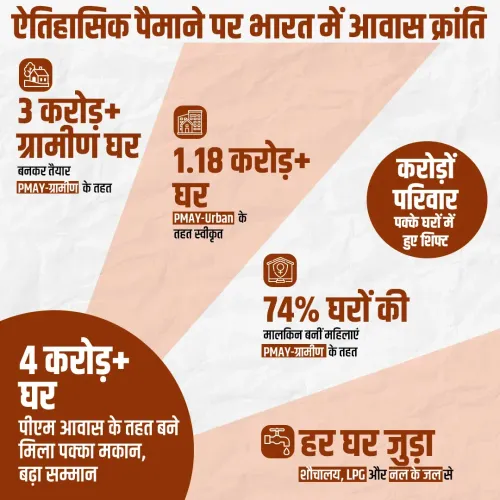
PMAY-Urban was launched in June 2015 under PM Modi's Housing for All mission to provide pucca homes to urban poor and slum dwellers.
Khattar described the scheme as ensuring security, dignity and permanence for poor and needy families.
Persistent implementation challenges include beneficiary verification, land issues, and fund utilisation at state and urban-local-body level.
The ministry's next quarterly progress data and parliamentary scrutiny on completions and fund use are the immediate watch-points.
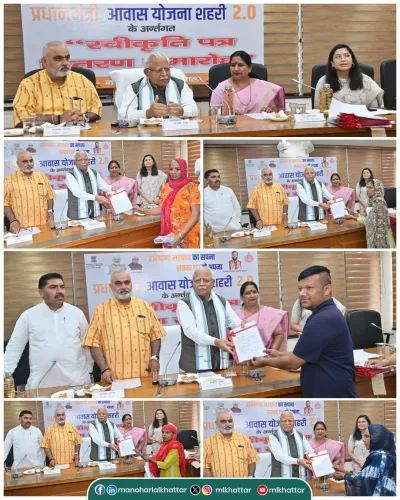
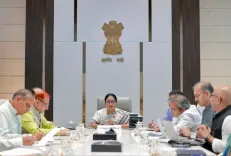
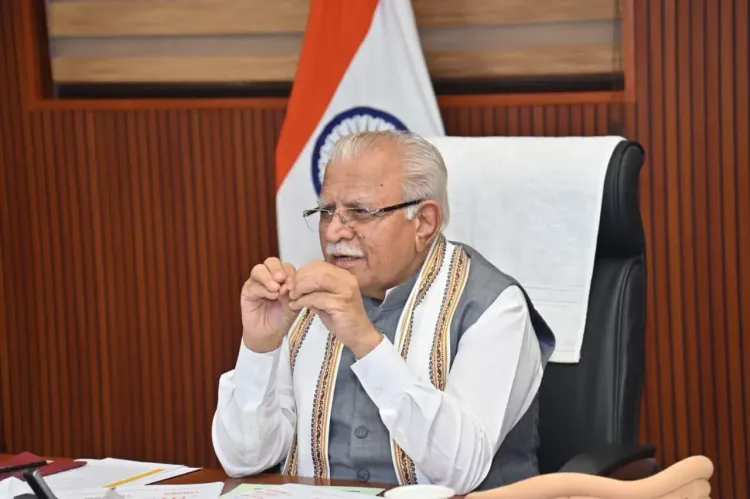
Millions of urban families waiting for a permanent roof overhead got a direct signal on Wednesday, 21 October 2026: Union Minister for Housing and Urban Affairs Manohar Lal Khattar chaired a comprehensive review meeting on Pradhan Mantri Awas Yojana (Urban), zeroing in on construction pace, beneficiary outreach, and the ground-level bottlenecks that slow homes from blueprint to reality.
Posting on X, Minister Khattar wrote: 'Pradhan Mantri Awas Yojana (Shahari) ke sambandh mein aaj vistrit samiksha baithak kar yojana ki pragati evam prabhavi kriyanvayan se jude vibhinn mahatvapurn pahaluon par charcha ki.' — ('Today a detailed review meeting was held on Pradhan Mantri Awas Yojana (Urban) to discuss various important aspects related to the scheme's progress and effective implementation.')What the review put on the table
Three priorities dominated the meeting, according to Khattar's post. First, ensuring that scheme benefits reach eligible beneficiaries within set timelines. Second, accelerating construction work on sanctioned units. Third, finding effective solutions to the implementation challenges that have historically slowed disbursements — issues like beneficiary verification, land availability, and fund utilisation at the state and urban-local-body level.
The minister credited Prime Minister Narendra Modi's leadership for the scheme's ambition, describing PMAY-Urban as playing a 'crucial role in providing security, dignity and permanence' (suraksha, samman aur sthaayitva) to poor and needy families through access to pucca (permanent, brick-and-mortar) housing.
PMAY-Urban: eleven years, one mission
Pradhan Mantri Awas Yojana (Urban) was launched in June 2015 under the Housing for All mission, targeting the acute shortage of affordable housing in India's rapidly growing cities and towns. Urban slum dwellers and economically weaker sections form its core beneficiary base.
Since its inception, high-level ministerial reviews have been the standard mechanism for the Housing Ministry to track progress, push lagging states, and course-correct on persistent pain points — from digitising beneficiary lists to resolving contractor disputes. Wednesday's meeting fits squarely in that cadence.
Why the push for speed matters now
Urban housing demand in India has not stood still while the scheme has been running. Migration into cities continues, wait-lists remain long, and any slippage in construction timelines directly translates to families spending additional years in informal or unsafe settlements. The emphasis Khattar placed on time-bound delivery signals that the ministry is alive to that compounding cost of delay.
The ministry is expected to release its next quarterly progress data in the coming weeks — and parliamentary scrutiny on fund utilisation and unit completions will keep the pressure on states to deliver.
For millions of urban families, a pucca house is not an aspiration on a government chart — it is the difference between a child studying under a stable roof and one who cannot. The minister's review table is where that gap either narrows or widens.
Point of View
Possibly ahead of parliamentary questions or a performance audit. For the BJP, PMAY-Urban completions are a core welfare narrative ahead of any future electoral cycle, making visible progress now politically as well as administratively important. The broader arc — Housing for All, launched 2015 — is now well past its original 2022 deadline, so the pressure to show real, verifiable output has only intensified.
NationPress
21 Oct 2026
Frequently Asked Questions
What is Pradhan Mantri Awas Yojana Urban?
Pradhan Mantri Awas Yojana (Urban), or PMAY-U, is a central government scheme launched in June 2015 under PM Narendra Modi's Housing for All mission. It provides financial assistance to eligible urban poor, slum dwellers, and economically weaker sections to construct or purchase pucca (permanent) homes in cities and towns.
Why did Manohar Lal Khattar hold a PMAY-Urban review meeting?
Union Minister Khattar chaired the review on 21 October 2026 to assess the scheme's progress, address construction delays, ensure benefits reach beneficiaries on time, and resolve ground-level implementation challenges such as beneficiary verification and fund utilisation.
What are the main challenges in implementing PMAY-Urban?
Key bottlenecks have historically included slow beneficiary verification, land availability disputes, delays by state agencies and urban local bodies in releasing funds, and lagging construction pace at project sites.
Who are the beneficiaries of PMAY-Urban?
The scheme targets urban poor families, slum dwellers, and households from economically weaker sections and lower-income groups who do not own a pucca house and live in cities or towns across India.
What happens after the PMAY-Urban review meeting?
Following such reviews, the ministry typically issues directives to states and urban local bodies to speed up pending work. Progress is tracked through quarterly data releases, and the ministry faces parliamentary scrutiny on unit completions and fund utilisation.