Khattar marks Janjatiya Gaurav Diwas as it turns five
Synopsis
On the fifth anniversary of Janjatiya Gaurav Diwas, Union Minister Manohar Lal Khattar hailed the 15 November observance — rooted in Birsa Munda's birth anniversary — as having grown into a national celebration since its 2021 launch.
Key Takeaways
Janjatiya Gaurav Diwas is observed every 15 November , coinciding with the birth anniversary of tribal leader Birsa Munda (born 1875 ).
The Government of India formally declared the day in 2021 ; 2026 marks its fifth edition .
Union Minister Manohar Lal Khattar described the day as having evolved from a government observance into a 'national celebration'.
Birsa Munda led the Munda rebellion against British rule and died in custody in 1900 , aged 25 .
The day sits within a broader central government pattern of institutionalising tributes to Scheduled Tribe leaders and freedom fighters.
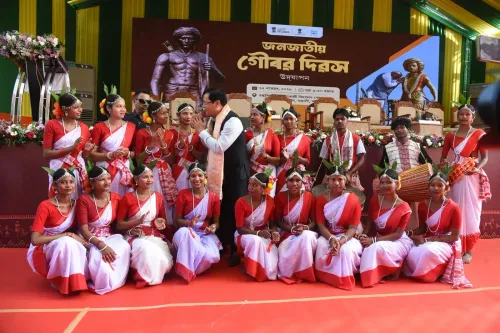
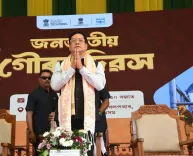
Five years after the Government of India declared 15 November a day to honour tribal pride, Union Power Minister Manohar Lal Khattar marked the occasion on Sunday by reflecting on how far the observance has travelled — from a government notification in 2021 to what he called a national celebration.
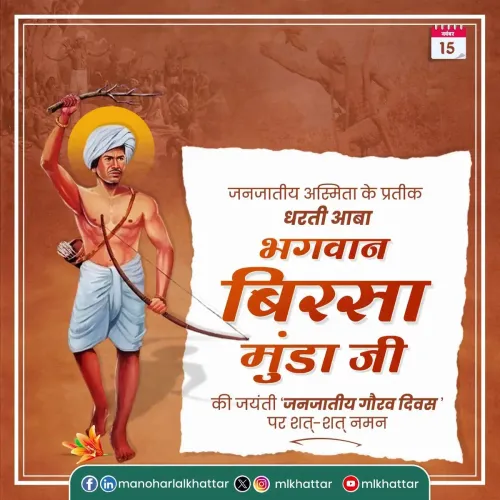
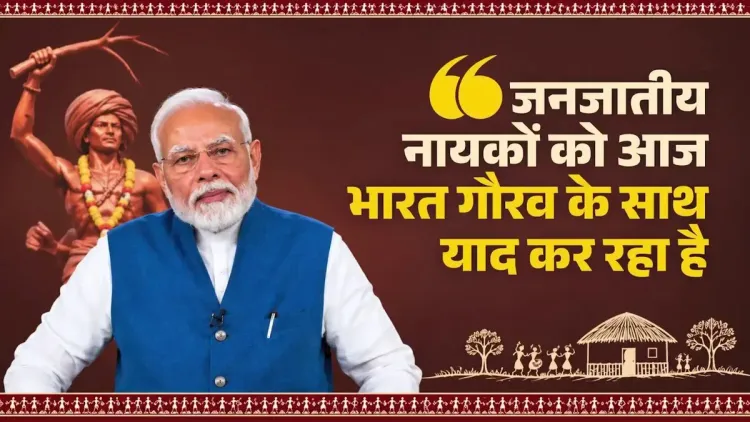
Posting in Hindi on the fifth anniversary, Khattar wrote: '15 नवंबर 2021 से #JanjatiyaGauravDiwas मनाने की जो शुरुआत हुई, आज वह एक राष्ट्रीय उत्सव बन चुका है..' — 'What began as the observance of #JanjatiyaGauravDiwas from 15 November 2021, has today become a national celebration.'
The birthday that anchors the day — Birsa Munda's legacy
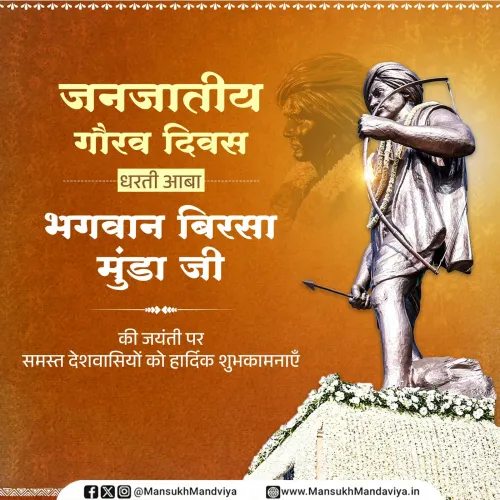
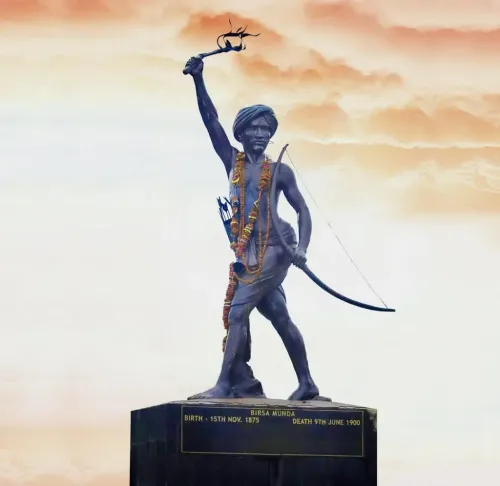
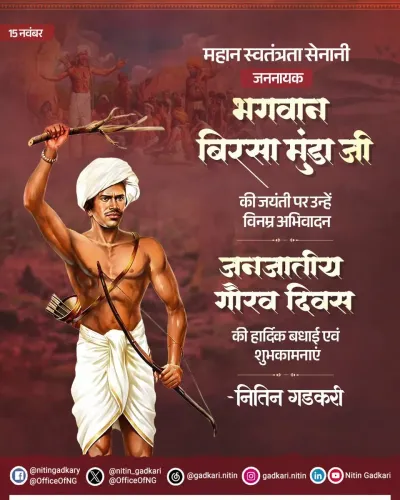
The date is not incidental. Birsa Munda, the 19th-century Adivasi leader born on 15 November 1875 in present-day Jharkhand, led the Munda rebellion against British colonial land seizures and missionary pressure. Revered as 'Bhagwan Birsa Munda' across tribal communities, he died in British custody in 1900 at the age of just 25 — a compressed life that left an outsized mark on India's freedom movement and Adivasi identity alike.
When the central government chose his birth anniversary as the anchor for Janjatiya Gaurav Diwas, it was a deliberate act of historical reclamation — placing a tribal freedom fighter at the centre of the national commemorative calendar alongside figures from mainstream nationalist historiography.
From notification to national observance — five years of Janjatiya Gaurav Diwas
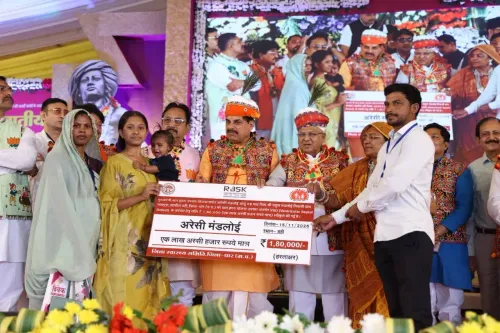
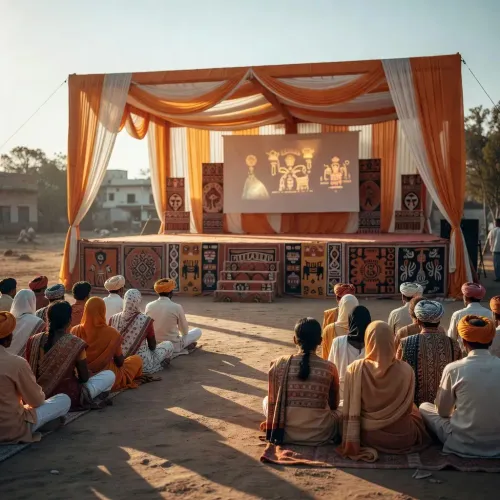
The Government of India formally declared 15 November as Janjatiya Gaurav Diwas in 2021. The move was framed as recognition of the contributions of Scheduled Tribe communities to India's culture, freedom struggle, and economy. Since then, the day has been observed annually with state-level programmes, cultural events, and central government outreach targeting tribal welfare schemes covering education, land rights, and cultural preservation.
Khattar's post on the fifth edition underscores the central government's consistent effort to institutionalise such observances — building a commemorative infrastructure that runs in parallel with policy interventions for tribal communities. Whether the day has formally acquired 'national festival' status in statute is a separate question; what is visible is the year-on-year expansion of its public footprint.
Point of View
The BJP has sought to signal long-term political and cultural investment in tribal communities, who constitute a significant electoral and demographic bloc. The five-year trajectory from declaration to self-described 'national celebration' reflects how government-initiated observances can gather momentum through repeated institutional reinforcement. The larger test, analysts note, is whether symbolic recognition translates into measurable outcomes on tribal land rights, education, and livelihood indicators.
NationPress
15 Nov 2026
Frequently Asked Questions
What is Janjatiya Gaurav Diwas and why is it celebrated on 15 November?
Janjatiya Gaurav Diwas is an annual observance on 15 November declared by the Government of India in 2021 to celebrate tribal pride and honour the contributions of Scheduled Tribe communities. The date was chosen to coincide with the birth anniversary of Birsa Munda , the revered Adivasi freedom fighter born on 15 November 1875 .
Who was Birsa Munda?
Birsa Munda was a 19th-century tribal leader from present-day Jharkhand who led the Munda rebellion against British colonial land seizures. Born on 15 November 1875 , he died in British custody in 1900 at the age of 25 and is revered as 'Bhagwan Birsa Munda' by Adivasi communities across India.
When was Janjatiya Gaurav Diwas first observed?
The Government of India declared and observed the first Janjatiya Gaurav Diwas on 15 November 2021 . The 2026 edition marks the fifth anniversary of the observance.
What did Manohar Lal Khattar say about Janjatiya Gaurav Diwas 2026?
Union Minister Manohar Lal Khattar posted on X saying that what began as the observance of Janjatiya Gaurav Diwas from 2021 has today become a 'national celebration', marking the day's fifth anniversary.
How does Janjatiya Gaurav Diwas relate to tribal welfare policies?
The observance runs in parallel with central government schemes for Scheduled Tribe communities covering education, land rights, and cultural preservation . It is part of a broader pattern of institutionalising tributes to tribal leaders alongside targeted welfare interventions.